ADNOC: 15 Vessels Targeted Near Strait of Hormuz
ADNOC says 15 vessels were targeted by missiles and drones since the conflict began, including three attacks in one week while transiting Hormuz.
Mateo Fernandez ·
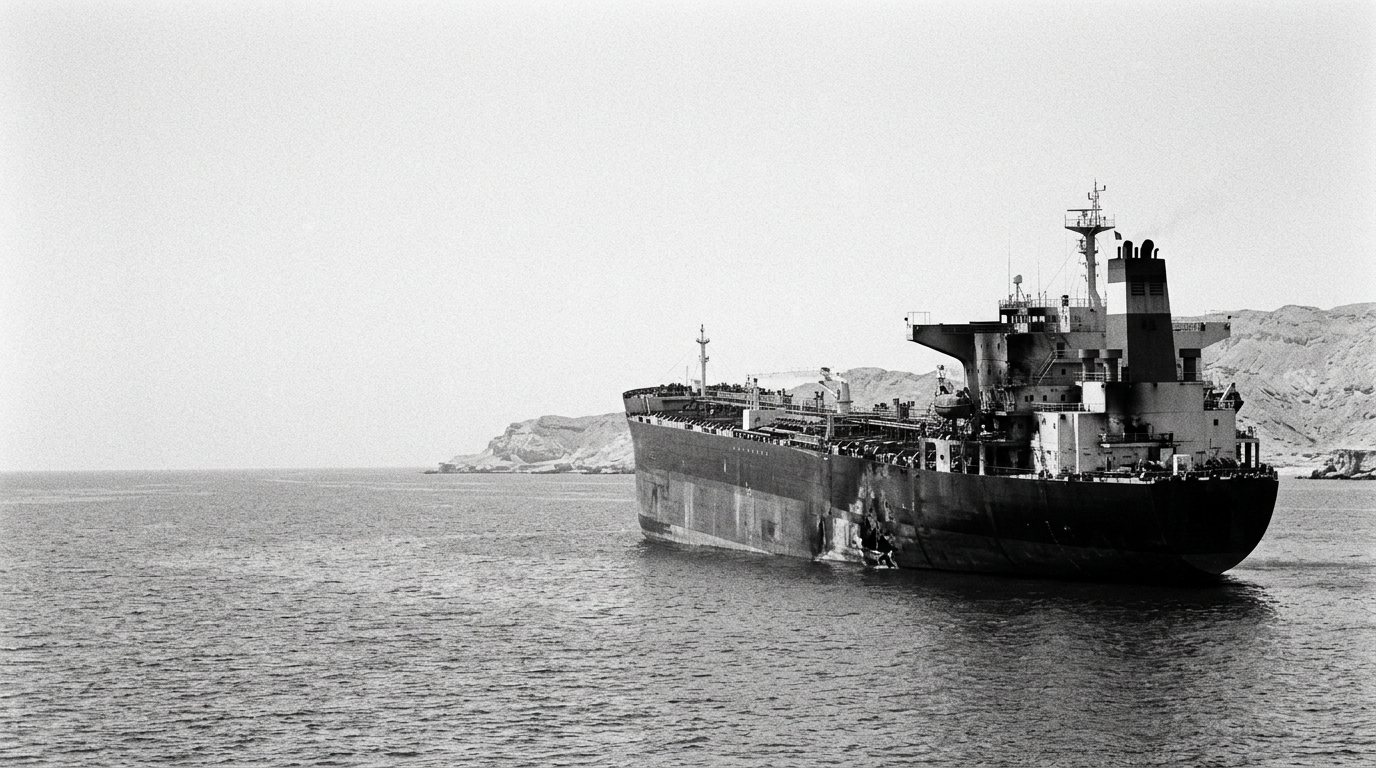
Abu Dhabi National Oil Company (ADNOC) said 15 of its vessels have been targeted by missiles and drones since the conflict began, escalating concerns around shipping through the Strait of Hormuz. The company also reported that three vessels were attacked in a single week while transiting the strait.
ADNOC said the incidents left one crew member dead and 20 others injured. The company did not provide additional operational details in its account beyond the number of vessels targeted and the reported casualties.
Hormuz remains a critical chokepoint for oil flows
The Strait of Hormuz is a key corridor linking Gulf producers with global buyers. The route is used for roughly one-fifth of global oil consumption, making it a focal point for energy markets whenever shipping security is questioned.
Even when physical supply is not immediately interrupted, heightened risk in the strait can quickly influence how oil moves. The source material notes that the earliest effects typically show up in higher freight costs, changes in insurance pricing, and adjustments to tanker scheduling.
Oil market sensitivity rises as vessel risks are disclosed The reported attacks bring Gulf energy exports back into the oil market’s supply-risk calculus. The uncertainty, based on the source, is whether the incidents stay limited to isolated vessel attacks or expand into a pattern that changes operator behavior.
If shipping continues without major delays, the source indicates the macro impact is more likely to appear first through risk premiums affecting crude and shipping. If traffic slows, refiners outside the Gulf could face tighter availability for prompt cargoes.
Operational exposure for ADNOC and broader sector watchpoints
For ADNOC, the immediate issues described are operational: crew safety, vessel availability, and the timing of contract deliveries. In parallel, insurers, tanker owners, and crude buyers are expected to watch whether war-risk premiums rise after the company’s disclosure.
The source highlights that market participants will seek confirmation from Gulf authorities, ship-tracking data, or further company updates on whether Hormuz transits are proceeding at a normal pace by August 9, 2026. Until there is clarity on whether the attacks are isolated or recurring, uncertainty around passage through the strait remains a key variable for shipping decisions and near-term pricing dynamics.