PFAS-Linked Pesticides Found in Many California Waterways, Analysis Says
About half of California's tested waterways are contaminated with PFAS pesticides, posing environmental and health concerns.
Lauren Collins ·
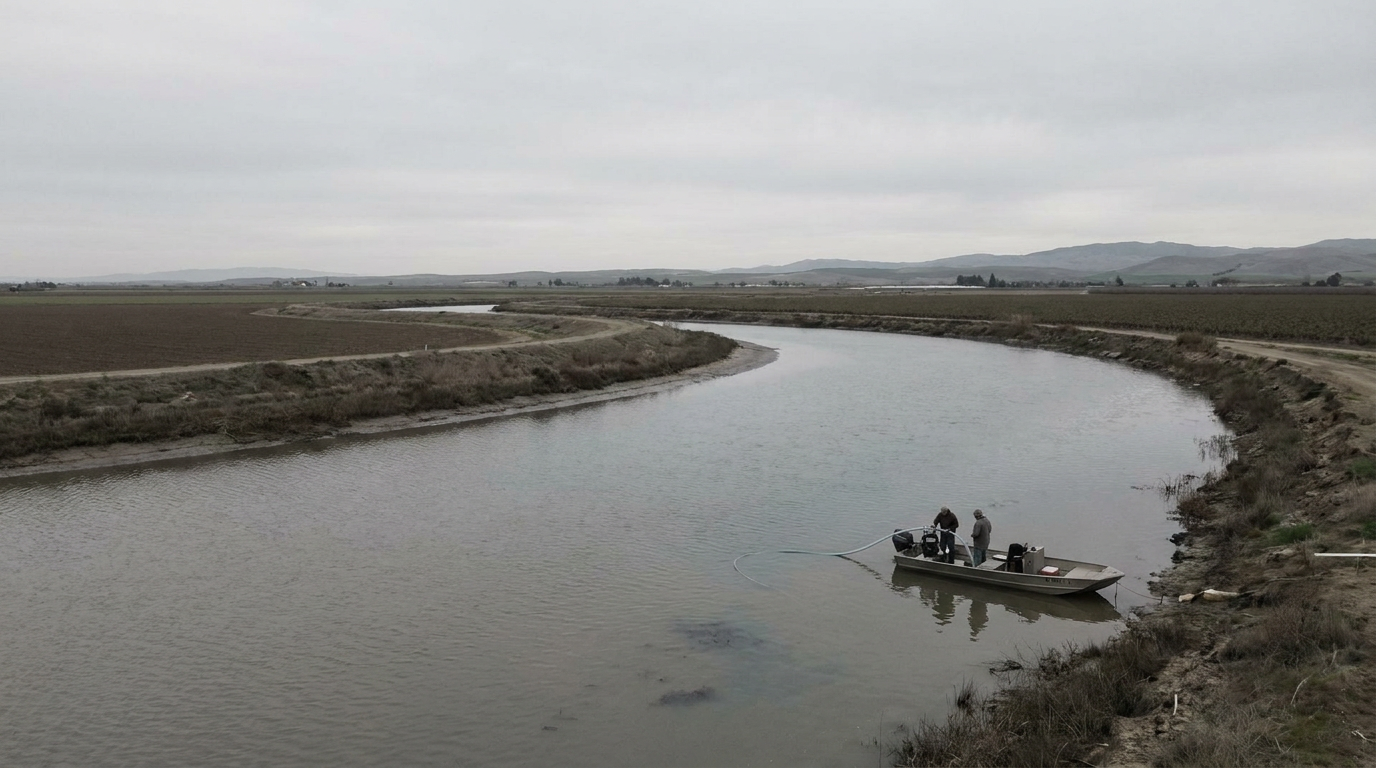
Nearly half of California waterways tested by regulators showed contamination from pesticides classified as per- and polyfluoroalkyl substances (PFAS), according to a new analysis of state and federal records released this week. The review found detections in streams and rivers that include drinking-water sources, and said more than half of sediment samples also showed contamination.
The findings were published as California lawmakers debated proposals that would restrict PFAS pesticides, including a moratorium on approvals of new products.
The analysis was conducted by the Environmental Working Group using data from the California Department of Pesticide Regulation and the United States Geological Survey. It identified PFAS pesticides in water samples from 10 counties and said the highest concentrations were in agricultural regions, including Monterey and San Luis Obispo counties.
At least 10 PFAS in pesticides were identified statewide, the review said. It described the results as likely an undercount because sampling was limited to a small number of counties and did not include some areas where prior research found heavy pesticide applications.
PFAS are often called “forever chemicals” because they can persist for long periods in the environment. The analysis said PFAS pesticides are linked to a range of health problems, including cancer, and warned that the public-health risk is difficult to evaluate because pesticide rules do not require companies to assess some health effects commonly associated with PFAS.
Hot spots in agricultural counties
Among the pesticides flagged, the analysis highlighted bifenthrin, which it described as a PFAS pesticide linked to cancer. It said bifenthrin was detected in all San Luis Obispo waterways that were tested and in more than 80% of samples in Stanislaus County.
The review also said more than half of sediment samples showed some level of PFAS pesticide contamination. It argued that the combined exposure pathways—such as contamination in water sources alongside pesticide residues on food—are not fully addressed by current testing and risk assessments.
Legislative proposals and disclosure requirements
The analysis pointed to the scale of use in California agriculture, citing state records showing farms applied an average of 2.5 million pounds of PFAS per year on cropland from 2018 to 2023. It said the widespread use increases the likelihood that nearby waterways will be affected.
Legislative efforts to ban PFAS pesticides in California faced partial setbacks, with a proposal to fully ban PFAS pesticides by 2035 failing to pass the state assembly, according to the review. The legislation that advanced included a moratorium on approvals of new PFAS pesticides and a requirement for warnings to farmers about the health and environmental risks of these substances.
The analysis also said the legislation would redefine PFAS pesticides in line with broader scientific definitions, which could expand the scope of regulatory oversight.
Regulators and lawmakers are expected to face continued pressure to expand testing and clarify how restrictions and warnings would be implemented as the state considers next steps on PFAS in pesticides.