EU Biometric Border System Paused Amid Airport Congestion
European airports are temporarily suspending the new EES biometric border checks during peak hours to prevent severe passenger delays and missed connections.
Atlas Newsdesk ·
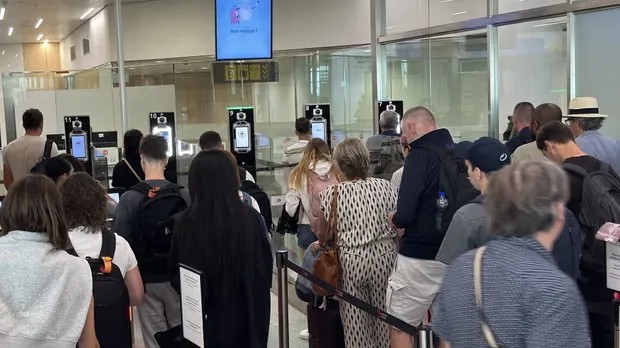
Operational Challenges at European Borders
Major European transit hubs have begun bypassing the European Union’s recently implemented biometric border control framework during periods of extreme congestion. While the Entry/Exit System (EES) was designed to modernize security, the time required to process individual travelers has triggered significant bottlenecks at international terminals.
Reports indicate that aviation authorities in cities including Paris, Amsterdam, Frankfurt, and Brussels are utilizing legal provisions to suspend biometric data collection when queues become unmanageable. This tactical retreat from automated verification aims to maintain passenger flow and prevent widespread flight disruptions.
Transitioning from Digital to Manual Verification
The EES framework mandates that non-EU nationals entering the Schengen Area provide fingerprints and facial scans, replacing traditional manual passport stamping. When technical failures occur or processing times exceed safety thresholds, border officials revert to manual identity verification methods to clear the backlog.
Official statements from the European Commission maintain that the digital infrastructure is essential for identifying identity fraud and enhancing regional security. However, industry leaders, including the head of Lufthansa, have publicly criticized the implementation, noting that the added processing time has caused numerous passengers to miss connecting flights.
Regulatory Flexibility and Future Outlook
In response to mounting pressure from the aviation sector, the European Commission has authorized a temporary exemption period lasting until September 6. This grace period allows border agents to waive biometric requirements during peak travel windows to ensure public order and operational stability across air, land, and rail entry points.
The system, which faced multiple delays since its initial proposal in 2017, continues to struggle with infrastructure limitations and staffing shortages. Several member states, including Switzerland, have expressed concerns that current facilities are insufficient to handle high-volume traffic, leading to calls for an extension of the current flexibility measures beyond the September deadline.