Steelers bring back Aaron Rodgers on one-year deal to steer 2026 campaign
The Pittsburgh Steelers re-signed Aaron Rodgers for the 2026 season, aiming for immediate success and quarterback development.
Mehmet Şahinoğlu ·
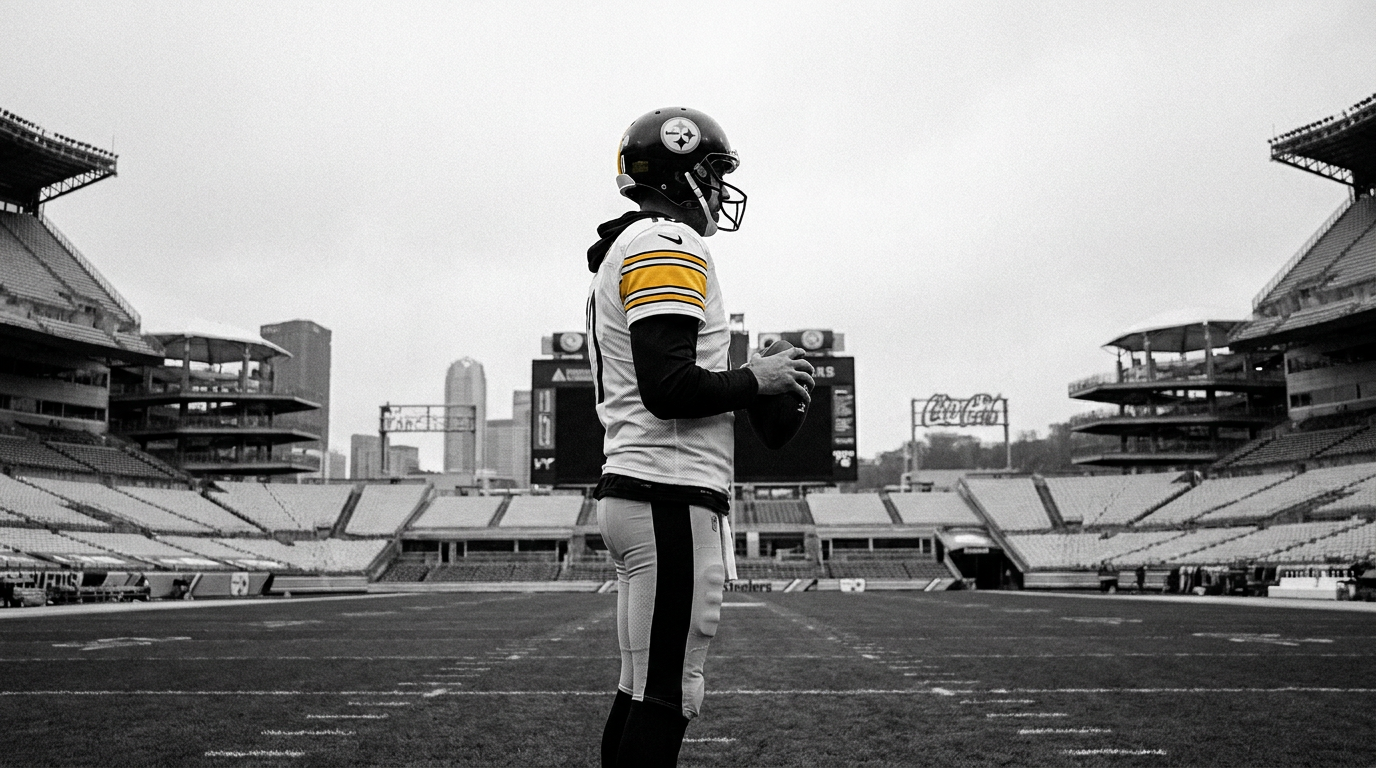
The Pittsburgh Steelers have brought back quarterback Aaron Rodgers on a one-year deal for the 2026 NFL season, extending the 42-year-old’s run in Pittsburgh. The decision, announced on May 16, 2026, prioritizes Rodgers’ experience while the team develops rookie passers Drew Allar and Will Howard. It follows a division-winning campaign and is designed to keep the club competitive now and in the years ahead.
Rodgers led Pittsburgh to its first division title since 2020 last season, completing 65.7% of his passes for 3,322 yards with 24 touchdowns against seven interceptions. He did so despite playing the second half of the year with a left-wrist injury and a thin receiving corps, and he still produced a game‑winning touchdown in Week 18 against the Ravens.
The Steelers see his return as a bridge to the future as Allar, a third‑round pick, and Will Howard, who enters effectively as a first‑year pro, adjust to the league. The plan keeps Pittsburgh competitive while creating a year-long learning runway for its young quarterbacks behind a four‑time league MVP.
Roster additions target immediate lift
Pittsburgh upgraded Rodgers’ supporting cast. The Steelers added wide receiver Michael Pittman Jr. and drafted Germie Bernard, aiming to inject size and speed on the perimeter. They also signed running back Rico Dowdle, a 1,000‑yard rusher in each of the past two seasons, to deepen the backfield rotation.
Up front, the club invested in what it hopes will be its best offensive line since 2020. Top draft pick Max Iheanachor, a highly athletic tackle who did not allow a sack in his final season at Arizona State, and fourth‑rounder Gennings Dunker join a developing core that includes center Zach Frazier, tackle Troy Fautanu and guard Mason McCormick.
Context: wins high, playoff returns scarce
Since 2015, the Steelers’ 111 regular‑season wins are tied for the third‑most in the NFL, yet the franchise has only three playoff victories since 2017. Pittsburgh exited in the wild‑card round last season against Houston, and leadership believes a deeper roster can reduce the burden on a 42‑year‑old quarterback in January.
The move aims to serve both timelines: maximizing 2026 while preparing for what comes next. The expectation is a more balanced offense that asks less from Rodgers snap‑to‑snap, with the revamped line and new skill talent designed to raise the unit’s floor and ceiling.
For Allar and Howard, a season behind a veteran offers time to learn protections, timing and situational football without rushing the depth‑chart handoff. If the offense finds better balance, Pittsburgh believes the postseason ceiling can rise without compromising the long‑term search for its next franchise starter.
Attention now shifts to offseason work and training camp, where Rodgers’ rapport with new receivers and the offensive line’s cohesion will shape early expectations — and offer clues on whether Pittsburgh can finally translate regular‑season wins into January results.