US, Japan Boost Arctic Cooperation
The U.S. and Japan are increasing Arctic cooperation to address geopolitical shifts and environmental changes, focusing on security and resource management.
Lauren Collins ·
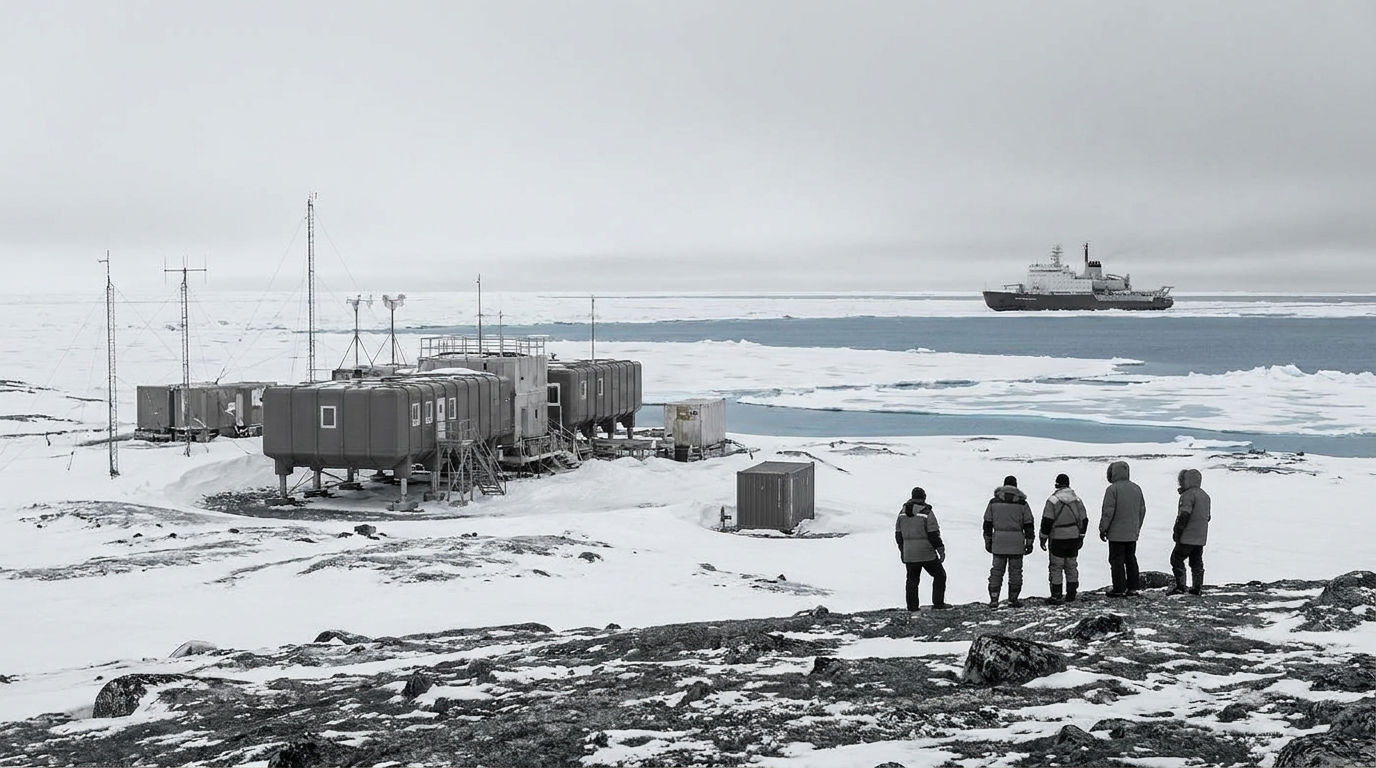
The United States and Japan are enhancing their strategic cooperation in the Arctic, driven by increasing geopolitical competition and the region's evolving environmental landscape. This collaboration aims to counter the growing influence of Russia and China in the High North, particularly as melting ice opens new sea routes and exposes natural resources.
Japan, despite not being an Arctic state, has recalibrated its Arctic policy, as outlined in its 2023 Fourth Basic Plan, to emphasize "comprehensive maritime security." This includes strengthening defense and maritime law enforcement capabilities, moving beyond its traditional focus on scientific research and international cooperation. The country plans to deploy its first Arctic research vessel, Mirai II, to independently operate in Arctic conditions and contribute to scientific data collection, thereby bolstering its influence in regional rule-setting processes.
Concurrently, the U.S. approach, particularly under the Trump administration, prioritizes natural resource extraction and homeland defense. Policies such as "Unleashing Alaska’s Extraordinary Resource Potential" aim to accelerate the extraction of Alaskan resources, including fossil fuels and critical minerals. The U.S. also recognizes the Arctic's importance for national security, as highlighted in its 2025 National Security Strategy and 2026 National Defense Strategy, which underscore the need to secure key terrain and invest in capabilities like icebreakers to increase its Arctic presence.