Therapeutic apheresis linked to PFAS drops after sessions
Early clinical observations link therapeutic apheresis to 25%–75% immediate drops in some PFAS blood levels, while microplastics results remain unclear.
Atlas Newsdesk ·
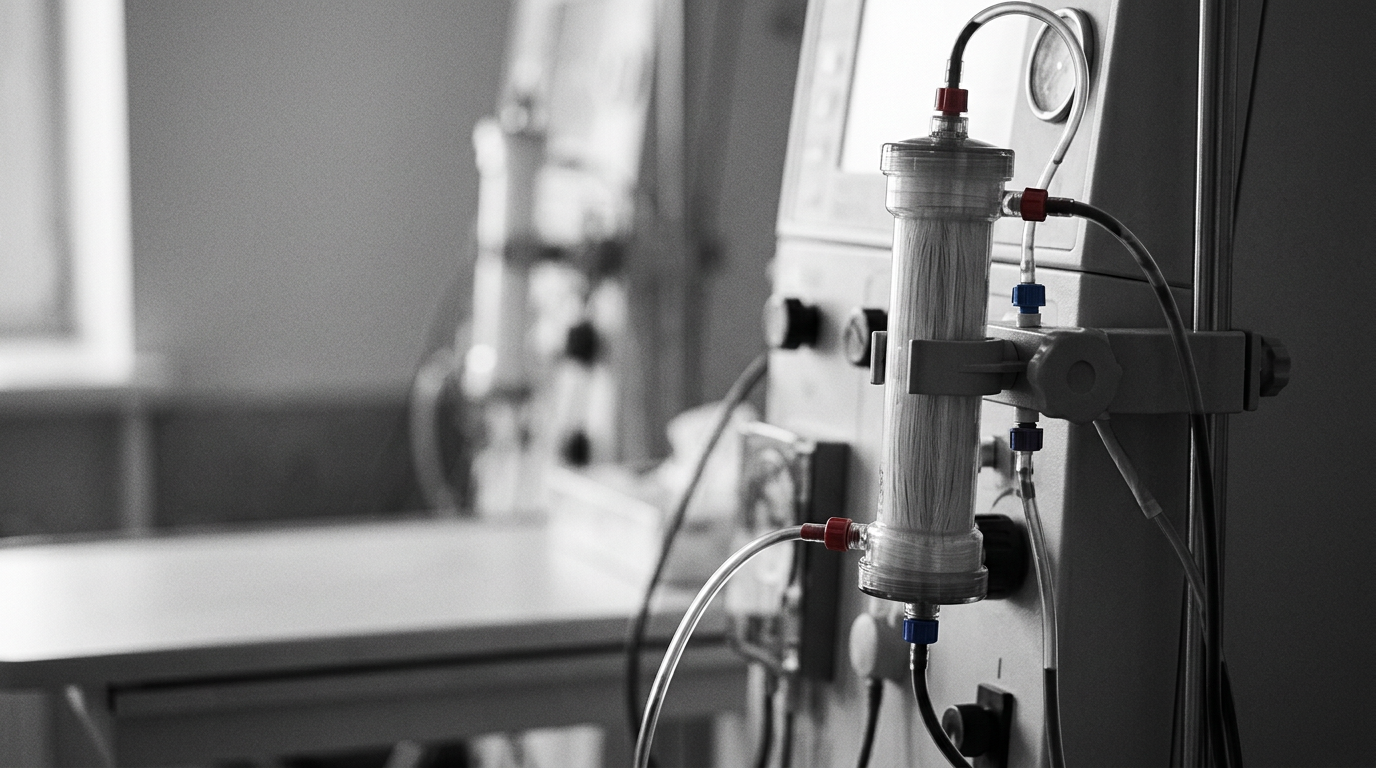
Doctors are assessing whether therapeutic apheresis, a blood-filtration procedure used in severe cardiovascular disease, may also lower certain environmental pollutants measured in the bloodstream. In early clinical observations, clinicians reported that blood concentrations of particular per- and polyfluoroalkyl substances (PFAS) fell quickly after filtration sessions.
Researchers involved in these exploratory assessments said measured PFAS levels dropped by 25% to 75% immediately following apheresis treatments. They described the pollutant signal as a secondary outcome rather than an established reason to use the procedure.
PFAS declines observed after filtration Therapeutic apheresis is PFAS declines observed after filtration Therapeutic apheresis is designed to selectively filter components Therapeutic apheresis is designed to selectively filter components from blood and is part of care for some patients with severe cardiovascular disease. Researchers said the early PFAS findings suggest the filtration system may have a secondary effect beyond its established medical purpose of removing lipoproteins. Researchers outlined two leading hypotheses for why PFAS readings declined after sessions. One possibility is that PFAS molecules are directly retained by the filter. Another is that PFAS are removed indirectly because they are attached to plasma proteins that are captured during the filtration process. Microplastics findings remain inconclusive In contrast to the PFAS measurements, researchers said evidence on whether apheresis reduces circulating microplastics is inconsistent and incomplete. Some patients showed lower circulating polymer levels after treatment, while others showed increases.
Researchers said one explanation for increases could be contamination introduced during care, including from medical equipment such as tubing and fluid bags. They also stressed a practical limitation: the procedure can only remove particles that are in circulation at the moment of filtration.
That limitation matters because microplastics may be sequestered in human tissues, meaning blood filtration would not address material stored outside the bloodstream. Researchers said any measured shift in circulating particles may therefore not reflect total body burden.
Why this is not yet a clinical detox Why this is not yet a clinical detox approach Researchers said these observations come from small, exploratory cohorts and that measurement methods are not standardized across assessments. Without consistent protocols, comparisons across patients or between sessions remain difficult.
On current evidence, researchers said therapeutic apheresis is not validated as a clinical intervention for environmental pollutant detoxification. They said larger, controlled trials are needed to test whether PFAS reductions persist, how long any effect lasts, and what safety considerations would apply if the procedure were used beyond its established cardiovascular indications.