Delayed Detection Fuels New Ebola Outbreak in Democratic Republic of Congo
WHO says the DRC Ebola outbreak started in February but was declared May 15 after misdiagnoses, complicating response efforts.
Atlas Newsdesk ·
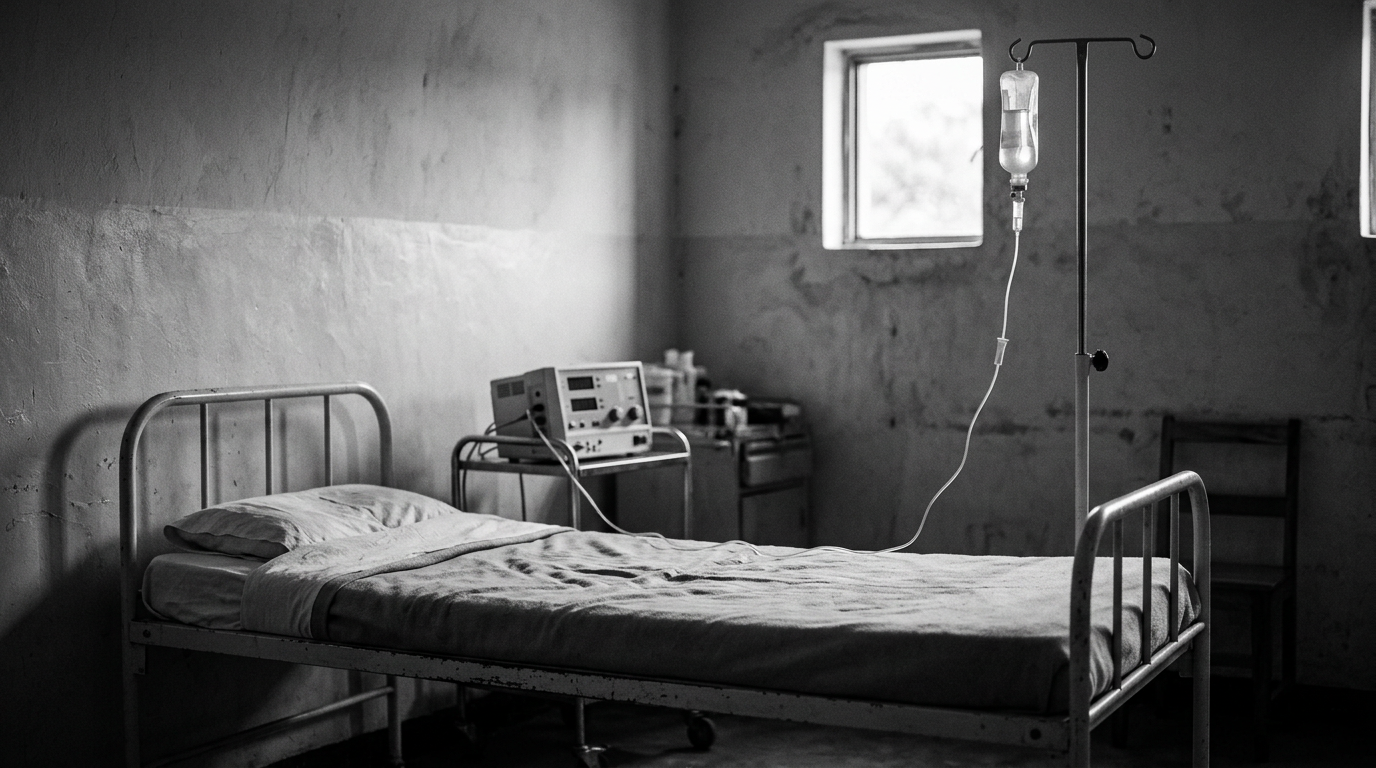
The World Health Organization said on Monday that the current Ebola outbreak in the Democratic Republic of Congo (DRC) began in February, around three months before authorities officially declared it on May 15. WHO officials said early infections were initially mistaken for malaria and typhoid, which allowed the virus to spread before containment measures were put in place.
WHO regional director Mohamed Janabi said the diagnostic errors meant cases were missed at the start of the outbreak. Officials said that gap delayed isolation and contact-tracing steps that are typically central to limiting transmission.
Delayed diagnosis and a fast-moving outbreak
The outbreak has reached 4,200 confirmed cases and 1,900 deaths, according to the WHO update. Officials said the pace of spread is the fastest on record for Ebola, underscoring the difficulty of regaining control once early warning signals are missed.
Health authorities also reported that cases are doubling in several hotspots. Officials said this trend is stretching the capacity of teams working to identify infections, protect healthcare staff, and move patients into safe care.
Bundibugyo strain complicates vaccine and treatment options
WHO officials said the current surge involves the rare Bundibugyo strain of Ebola. They said there are no specific approved vaccines or treatments for this strain, adding another constraint to an already pressured response.
The World Health Organization
The WHO said it is accelerating clinical trials for the Ervebo vaccine, which may provide partial protection against Bundibugyo. Officials emphasized that the work is being pushed forward as part of the broader effort to reduce transmission and protect frontline personnel.
Operational barriers in conflict-affected and remote areas
Officials said response efforts have been hampered by healthcare worker strikes, rebel activity in the region, and limited infrastructure. The WHO described these conditions as severely restricting access to affected communities and slowing the delivery of essential services.
Authorities also pointed to logistical shortages, including limited protective equipment. Officials said that gaps in supplies can increase exposure risks for health workers and complicate safe patient management, particularly where facilities are already stretched.
Widespread misinformation in remote, conflict-affected areas is also undermining the response, officials said. They warned that mistrust and false claims can discourage people from seeking care, impede contact tracing, and increase resistance to public health measures.
The WHO said the combination of delayed detection, security constraints, and resource limitations is shaping the current challenge in the DRC. Officials added that response teams are working to overcome these barriers as the outbreak continues to expand in multiple hotspots.