2015 update to District Wildlife Action Plan frames urban conservation priorities in DC
The District’s 2015 Wildlife Action Plan sets conservation priorities and habitat guidance for DC parks, streams, and public lands. Learn more here.
Sophie McAlister ·
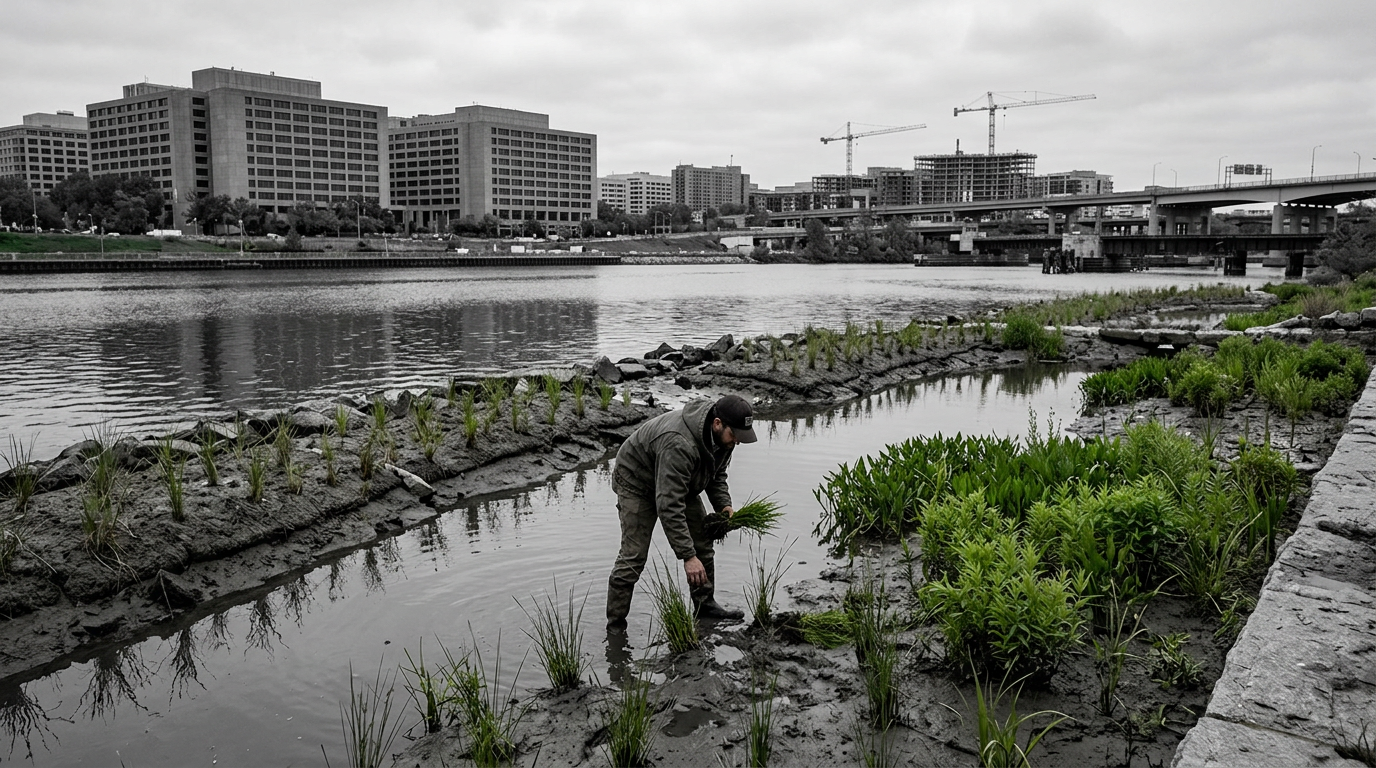
The District released a 2015 update to its Wildlife Action Plan, an official roadmap for conserving wildlife and habitat on city lands. The update lays out priorities for species and habitats of concern, recommends management and monitoring actions for parks and public waterways, and identifies partnerships and funding needs for implementation.
The plan is structured around local conservation priorities for the District’s urban ecosystems, including streams, parklands, and remnant natural areas across neighborhoods. It presents a framework intended for use by city agencies, park managers, nonprofit partners and developers working on or adjacent to public lands. The document emphasizes a landscape-scale approach rather than single-site fixes, connecting small urban green spaces into broader ecological networks.
What the update covers
The 2015 update consolidates conservation goals, recommended habitat actions, and monitoring protocols into a single planning tool. It identifies priority habitats and recommends practices — from native planting and invasive species control to stormwater management — aimed at improving habitat quality in urban settings. The plan also outlines monitoring metrics for tracking species trends and habitat condition over time.
Alongside technical recommendations, the update highlights the need for cross-jurisdictional coordination. It encourages collaboration among District agencies, federal land managers, nonprofit conservation groups and academic partners to share data, standardize monitoring and align restoration projects across watershed boundaries.
Implications for local parks and neighborhoods
For DC neighborhoods, the plan translates to concrete priorities for park upkeep, stream restoration and street-tree management. Land managers in smaller green spaces are urged to adopt practices that improve habitat connectivity and reduce stressors such as stormwater runoff and invasive plants. The plan also calls for community engagement and volunteer stewardship to support monitoring and restoration projects.
Budgeting and staffing needs for implementation are discussed as part of the update. The plan signals where funding and technical assistance are most likely to accelerate habitat improvements, and it proposes targeted actions that can be integrated into routine maintenance schedules to multiply conservation benefits across the District.
How implementation is expected to proceed
The document frames implementation as an ongoing process of priority-setting, project delivery and monitoring. It recommends that agencies maintain an adaptive approach, using monitoring results to refine restoration methods and re-evaluate priorities. The update also suggests establishing or strengthening data-sharing arrangements so agencies and partners can track progress more consistently.
City officials and land managers are advised to use the plan when designing capital projects, park renovations, and stormwater upgrades so that biodiversity and habitat goals are considered alongside infrastructure needs.
Looking ahead, observers should watch for updates to implementation plans, new interagency agreements, and any targeted funding announcements tied to the plan’s priorities that would drive on-the-ground restoration across the District.