Picasso Artwork Valued at $1.2M Sold for $118
A Picasso painting, estimated at $1.2 million, found a new owner through a charity raffle ticket costing just $118, benefiting Alzheimer's research.
Hazal Anyalı ·
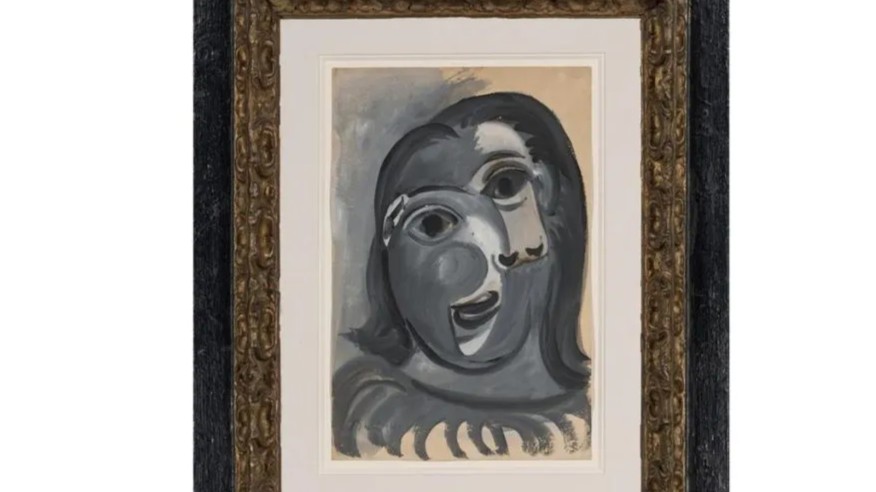
A Picasso masterpiece, "Tête de Femme," with an estimated market value of approximately $1.2 million, was acquired for a mere 100 euros (around $118) in a charitable raffle held in France. The event, hosted at Christie's auction house in Paris, garnered significant global attention.
Charity Raffle Raises Millions
Organizers confirmed that all 120,000 tickets for the raffle were sold, generating roughly 12 million euros. A substantial portion of these proceeds is earmarked for Alzheimer's research. Reports indicate that the art gallery owning the piece received 1 million euros from the funds raised.
Unexpected Win for Engineer
The lucky winner was identified as a 58- or 59-year-old engineer residing in Paris. Upon receiving the news, the individual initially believed it to be a prank and struggled to accept the authenticity of the win.
A Tradition of Accessible Art
This raffle marked the third iteration of the "1 Picasso for 100 euros" charitable initiative. Previous campaigns also offered Picasso artworks to winners, with the funds supporting various social causes.
Debate on Art and Philanthropy
The event highlights an innovative fundraising model, allowing broad access to high-value art at a low cost. However, some experts are now discussing the potential impact of such raffles on the art market and traditional valuation systems.
Broader Implications for Art Access
The Picasso raffle serves as a compelling example of how art, typically confined to elite auction houses, can become accessible through mass participation. This model challenges conventional notions of art ownership and philanthropy, potentially democratizing access to significant cultural works while raising substantial funds for critical causes.
Uncertainty in Market Dynamics
While successful, the long-term effects of such initiatives on the art market remain uncertain. The practice could either broaden appreciation for art or, conversely, introduce volatility into the valuation of high-end pieces by creating a parallel market for acquisition.