

US Air Force Plans Fleet of 1,000 Autonomous Combat Aircraft
The US Air Force aims to integrate 1,000 autonomous combat drones into its fleet by the next decade to enhance operational capabilities in contested airspace.
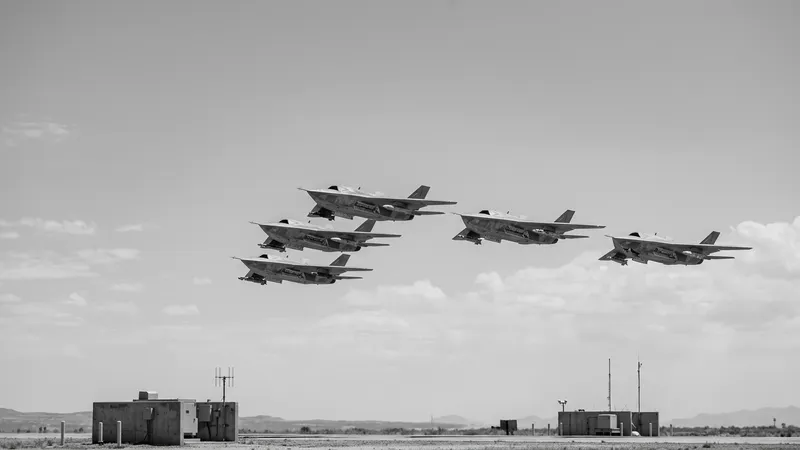
Strategic Expansion of Autonomous Aerial Assets
Officials have announced a significant procurement initiative aimed at bolstering the aerial capabilities of the United States. The plan involves the acquisition of 1,000 autonomous combat aircraft, specifically the FQ-42 and FQ-44 models, to be integrated into the existing military infrastructure. Initial projections suggest that half of this fleet will be operational by 2032, with the remaining units scheduled for deployment in the subsequent years.
Technological Integration and Operational Design
These semi-autonomous platforms, developed by industry partners General Atomics and Anduril, are designed to function within high-risk environments. By utilizing these systems, military planners intend to improve situational awareness and increase the survivability of manned assets during complex missions. These aircraft represent a notable shift in classification, marking the first time the "FQ" designation has been applied to systems that bridge the gap between traditional fighter jets and unmanned aerial vehicles.
Production Strategy and Future Outlook
Manufacturing agreements finalized in mid-2026 have already transitioned these designs into full-scale production. Rather than relying on a single source, the military has opted for a diversified supply chain to maintain operational agility. This approach is intended to provide greater flexibility and mitigate potential logistical bottlenecks. While the program promises a significant increase in force projection, the long-term effectiveness of these systems in real-world combat scenarios remains a subject of ongoing evaluation by defense analysts.
More stories
- Houthis hit Riyadh airport after 12 killed
- Yemen Cabinet backs Houthi terrorist label after 12 deaths
- Washington weighs a harder bargain for Israel’s next defense aid pact
- Turkey-Israel spat puts Washington’s Gaza diplomacy in a tighter corner
- Mashreq CEO Abdelaal joins 15-member Swift board
- Sudan strikes kill 112, rights group says
- Iran execution campaign tests Washington’s rights leverage on Tehran
- US opposition to UNIFIL extension pushes Lebanon toward UN-backed alternative
- US Accuses Six Chinese AI Firms of Trade Secret Theft Amid Energy Storage Surge
- RNLI Reaffirms Commitment to Channel Migrant Rescues Amidst Hostility