UAE's OPEC Exit Reshapes Gulf Oil Power Balance
UAE exits OPEC & OPEC+ May 1, ending 60 years of membership. Brent crude rises 3% past $111/barrel amid Strait of Hormuz closure.
Atlas Newsdesk ·
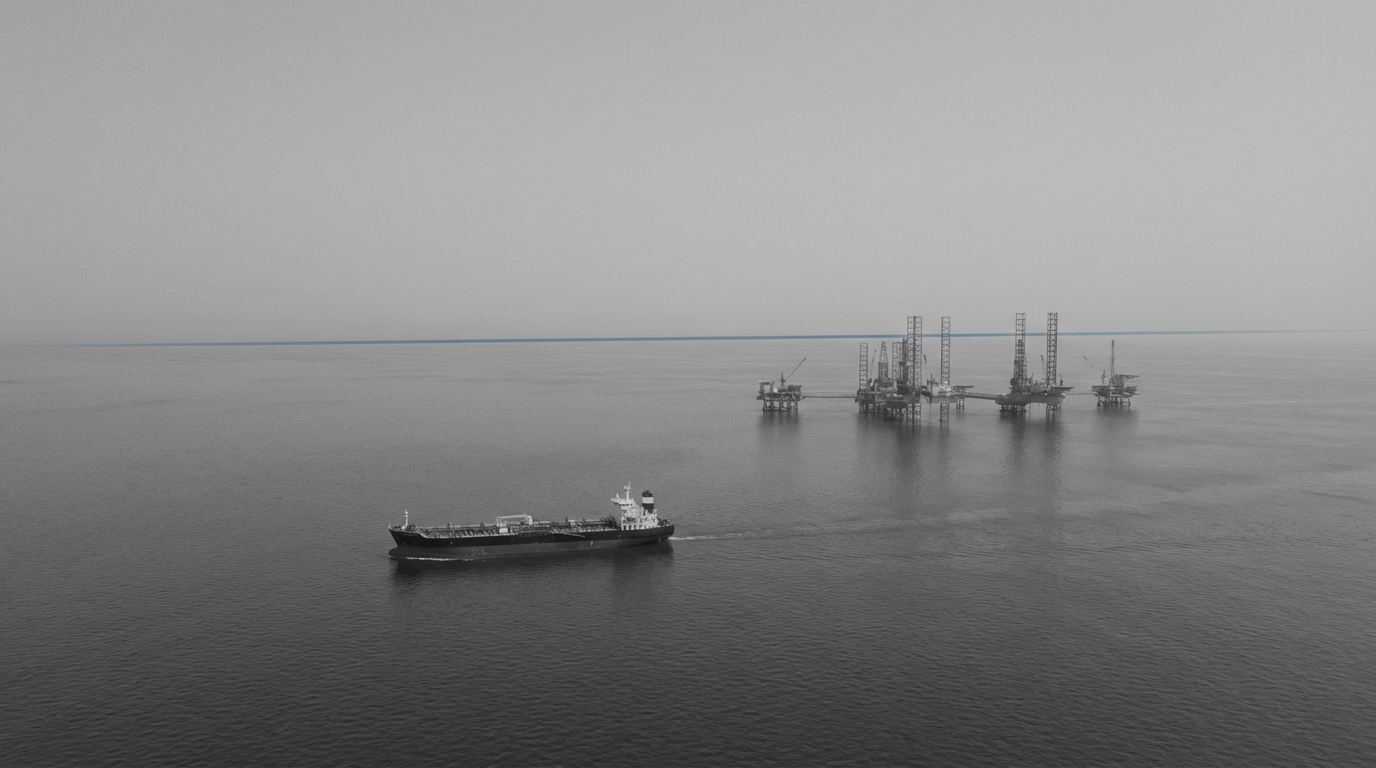
The United Arab Emirates will withdraw from OPEC on May 1, ending a membership that began in the late 1960s and removing the cartel's third-largest producer from its ranks. The country's energy ministry announced the decision Tuesday, saying it followed a full review of production policy and capacity. Abu Dhabi confirmed it will also leave OPEC+, the broader alliance that includes Russia and other non-cartel exporters. Brent crude jumped about 3% to above $111 a barrel on the news, and West Texas Intermediate climbed roughly 3.5% to nearly $100.
Timing Lines Up With Hormuz
The exit lands during one of the most disruptive periods for oil flows in years. Iran has been launching missiles and drones at UAE territory for weeks, and Tehran's closure of the Strait of Hormuz has cut off a major share of regional export routes. Negotiations between Washington and Tehran have produced no breakthrough. Against that backdrop, the UAE is signaling it wants full control over how much it pumps and when.
A Capacity Dispute That Never Went Away
Friction between Abu Dhabi and Riyadh inside OPEC is not new. For years, the UAE pushed to use the expanded production capacity it had spent heavily to build, while Saudi Arabia favored tighter group-wide quotas to defend prices. Those disagreements brought the UAE to the edge of leaving more than once before this week. The Iran conflict appears to have closed the gap between threat and action.
Refiners and importers now face a market where the UAE answers to no quota, while Saudi Arabia loses its closest Gulf counterweight inside the cartel. Abu Dhabi's state news agency said the country would bring extra barrels to market in a "gradual and measured" way, tied to demand. The harder question is logistical: with Hormuz blockaded, additional UAE supply cannot easily reach buyers regardless of how much the country chooses to produce.
OPEC's Coordination Problem Just Got Harder
Losing its third-largest producer weakens OPEC's ability to set a credible global price floor through quota discipline. The cartel still controls a large share of world output through Saudi Arabia, Iraq, and others, but the departure signals that capacity-rich members may no longer accept caps that sit well below what they can pump. OPEC+ faces the same pressure, with Russia already constrained by sanctions and now without one of the alliance's more flexible suppliers.
A Test for the Post-Cartel Oil Order
For importers in Europe and Asia, a freer-pumping UAE could eventually mean steadier supply outside cartel decisions, assuming Hormuz reopens. For the dollar-pegged Gulf economies, the move marks a clearer separation between Abu Dhabi's long-term industrial strategy and the collective price management that has defined OPEC since 1960. Energy ministries from Tokyo to Berlin will be reading the statement closely for signals about how fast that extra supply actually arrives.
The Blockade Decides What Happens Next
The immediate variable is the Strait of Hormuz. Until shipping lanes reopen, the UAE's promise of additional barrels is largely theoretical, and prices will keep tracking the conflict more than the cartel reshuffle. A second variable is Saudi Arabia's response: whether Riyadh tightens its own output to defend prices or matches Abu Dhabi's looser stance will shape the next quarter of the oil market.