Yayoi Kusama, Influential Japanese Artist, Dies at 97
Globally renowned Japanese artist Yayoi Kusama, celebrated for her polka dots and infinity installations, has died in Tokyo at 97.
Atlas Newsdesk ·
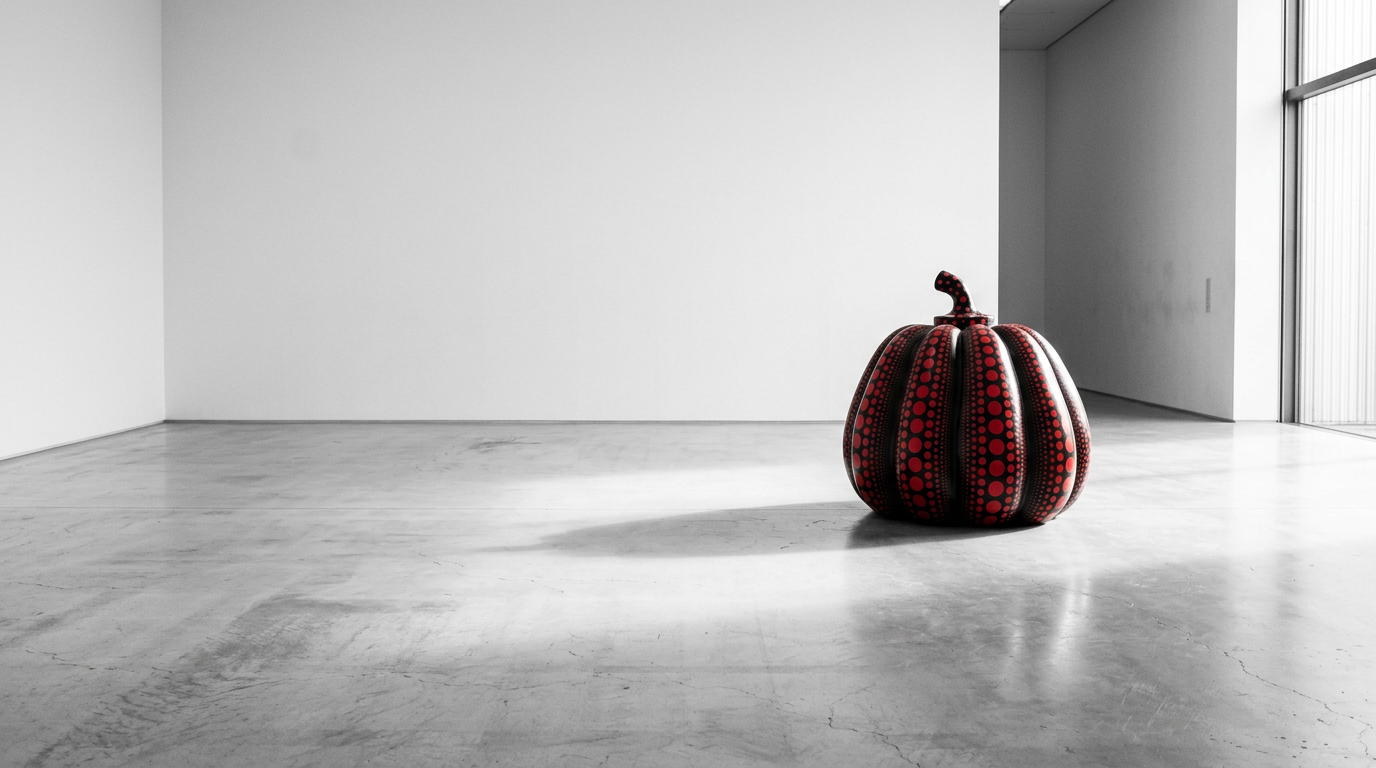
Yayoi Kusama, the esteemed Japanese artist whose groundbreaking works captivated global audiences for more than seven decades, passed away on August 14 at a hospital in Tokyo. She was 97 years old. Her studio confirmed the death of the pioneering avant-garde figure, whose extensive career profoundly impacted painting, sculpture, performance art, and literature.
Kusama garnered widespread acclaim through her signature use of polka dots and her deeply immersive 'infinity' installations. Her distinct artistic method was intrinsically linked to her personal experiences with lifelong hallucinations, which she meticulously transformed into visual art. This creative process served as a fundamental means for her to navigate personal trauma and her unique perceptions of space and the universe.
An Enduring Artistic Vision
After moving to New York in 1958, Kusama began to achieve significant recognition for her innovative 'infinity net' paintings. One piece from this series set a record in 2014, fetching $7.1 million at auction, marking the highest price for a living female artist at that time. Her journey through the art world experienced notable shifts in public and critical reception. During the 1960s and 1970s, Kusama faced periods of marginalization within the art scene and encountered significant financial difficulties.
Despite these challenges, her perseverance ultimately led to substantial commercial and critical success in the 21st century. Her large-scale installations, particularly those crafted to resonate with contemporary audiences and optimized for social media engagement, solidified her status as a preeminent figure in modern art. Her unique vision has transcended the traditional art world, becoming a phenomenon recognized by millions worldwide.
A Legacy of Innovation and Impact
Kusama remained actively engaged in her studio until her final days, continuously exploring the core themes that defined her body of work: the concepts of love, the infinite, and the idea of 'self-obliteration.' Her remarkable capacity to translate profound psychological states into universally accessible and visually striking art ensured her lasting influence.
The artist's passing marks the conclusion of an era for contemporary art, yet her significant contributions to abstract expressionism, pop art, and feminist art continue to inspire new generations. Her work is exhibited in major museums globally, reinforcing her place as a cultural icon.