Uzbekistan's Cultural Layers Revealed Through Travel
Explore Uzbekistan’s rich history, from ancient roots to Islamic architecture in Bukhara and Samarkand. High-speed rail now connects these hubs.
Ayla Demirhan ·
A recent journey through Uzbekistan illuminated the nation's profound historical and religious influences, alongside its modern infrastructure. The trip, which utilized the Orient and Afrosia train, explored cities like Bukhara and Samarkand, showcasing a blend of ancient traditions and contemporary life.
Ancient Roots Shape Uzbek Identity
Uzbekistan, officially a secular state, maintains a deep connection to its religious past. Archaeological findings suggest the ancient Khorezm region, encompassing modern-day West Uzbekistan and the city of Khiva, was the birthplace of Zoroastrianism. The annual Navruz celebration on March 21 symbolizes this enduring legacy.
Islamization of Central Asia began in the late 8th century with the Arab conquest, fostering a synthesis of Arab, Turkic, and Persian cultures. The 9th-century Persian Samanid dynasty, based in Bukhara, intensified missionary activities, solidifying the new faith. Buddhism also spread in the region during the Kushan reign at the beginning of the common era, contributing to the diverse religious tapestry.
Historic Cities Showcase Architectural Grandeur
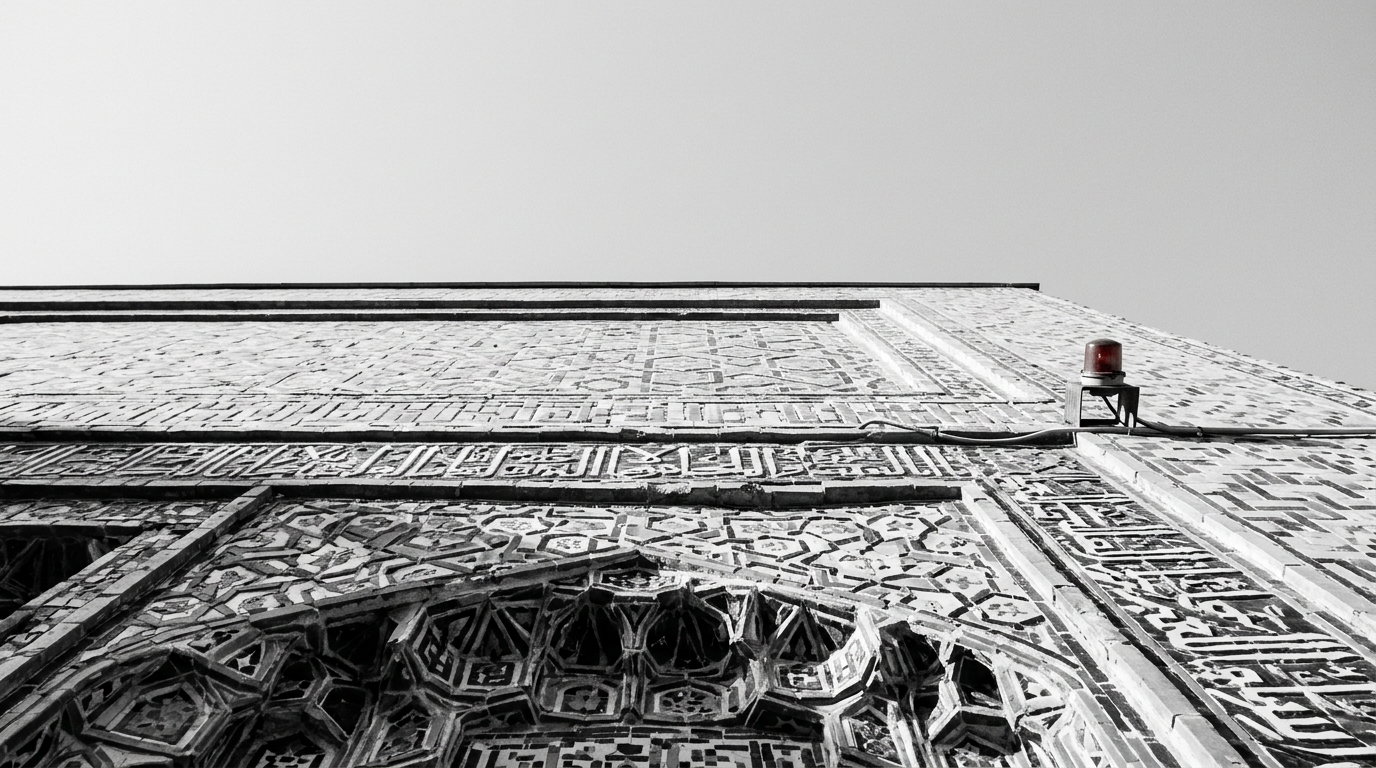
Samarkand and Bukhara feature significant architectural monuments reflecting centuries of history. Samarkand hosts the Shahi-Zinda, a complex of tombs on the city's northern side, and the Registan Ensemble, which served as a socio-political and commercial center during Timur's 14th-century reign. These sites, rebuilt with intricate tiled walkways, once housed bazaars selling carpets, spices, and mulberry paper books.
Bukhara, recognized as a unique cultural hub in Central Asia, is home to numerous mosques, madrasahs, and caravan-sarais. It is historically associated with prominent scientists, philosophers, and poets, including Rudaki, Firdousi, and Imam Al Bukhari. The city also holds religious significance, such as the mausoleum of Khwaja Bahouddin Nakshbandh.
Modern Infrastructure Connects Ancient Sites Uzbekistan's high-speed train network connects its major cities Uzbekistan's high-speed train network connects its major cities, offering a sophisticated transportation system with Soviet-era inspired stations. This network facilitates travel between historical centers like Tashkent, Samarkand, and Bukhara, allowing visitors to experience both the country's ancient heritage and its evolving modern landscape. Economic and Cultural Outlook Uzbekistan's focus on preserving its historical sites and developing modern infrastructure positions it as a growing destination for cultural tourism.
If the government continues to invest in tourism infrastructure and cultural preservation, the sector could see increased foreign investment and visitor numbers, boosting local economies in cities like Samarkand and Bukhara.
Conversely, if global travel patterns shift or regional instability increases, the nascent tourism industry could face headwinds, impacting local businesses reliant on visitor spending. The balance between modernization and maintaining historical authenticity remains a key factor for the country's long-term cultural and economic development.