U.S. Imposes 50% Tariffs on Key Canadian Exports
The U.S. implemented a 50% tariff on Canadian goods, including cars, dairy, and alcohol, on August 24, 2026, citing discriminatory trade practices.
Mateo Fernandez ·
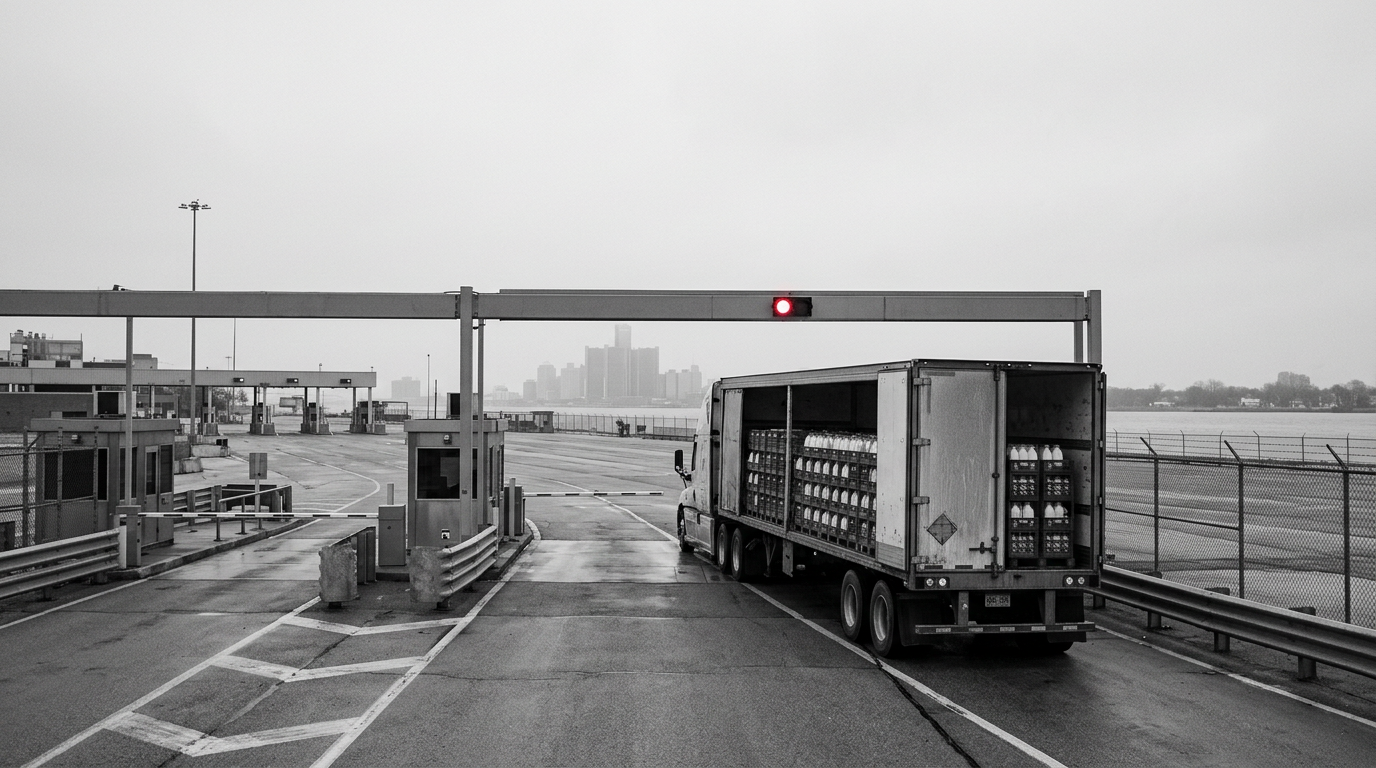
The United States government enacted a 50% tariff on various Canadian exports, effective August 24, 2026. This significant trade action targets a range of products, notably including automobiles, dairy items, and alcoholic beverages. The White House, announcing the measure, stated it was a response to what it characterized as discriminatory treatment against U.S. goods by Canada.
Officials indicated that the new duties apply to both consumer and industrial categories. While specific details were provided for cars, dairy, and alcohol, a full schedule of all affected items and a complete implementation timeline were not immediately released.
Impact on Cross-Border Supply Chains
The imposition of a 50% levy is expected to substantially increase the landed cost of Canadian imports into the U.S. This could significantly raise operational expenses for businesses that rely on integrated cross-border supply chains, particularly those sourcing components and finished products from both nations. Companies engaged in just-in-time automotive manufacturing, for instance, might face elevated input costs or be compelled to reassess their sourcing strategies.
This trade action coincides with ongoing negotiations under the United States-Mexico-Canada Agreement (USMCA). The White House framed the tariffs as part of a broader strategy to re-establish a tariff framework that had previously faced limitations following a Supreme Court ruling.
Potential for Escalation
Analysts are closely observing Canada's potential reactions to the new tariffs. One possible response could involve Ottawa announcing countermeasures or filing a formal complaint with the World Trade Organization (WTO). A decision on such actions by September 7, 2026, would provide an early indication of whether the trade dispute is likely to intensify ahead of future negotiation rounds between the two countries.
The move marks a notable escalation in trade relations, potentially affecting numerous industries that rely on the deep economic ties between the U.S. and Canada. Businesses in both countries will need to adapt to these new trade barriers, which could lead to shifts in production, sourcing, and pricing strategies to mitigate the increased costs associated with cross-border trade.
Broader Economic Implications
The tariffs' long-term effects on North American manufacturing and consumer prices remain to be seen. Increased costs for imported components could translate into higher prices for finished goods sold to consumers, or reduced profit margins for manufacturers. The situation could also prompt other trading partners to reconsider their own trade policies, potentially leading to a ripple effect across international markets.
This development adds a layer of complexity to the existing economic landscape, especially as global supply chains continue to navigate various challenges. The response from Canadian authorities and the subsequent trajectory of USMCA negotiations will be critical in determining the scope and duration of this trade friction.