Norway Ramps Up Arctic Drilling to Secure Europe’s Energy Future
Norway confirms new oil and gas development in the Arctic Barents Sea, emphasizing its role in European energy security amid global supply disruptions.
Atlas Newsdesk ·
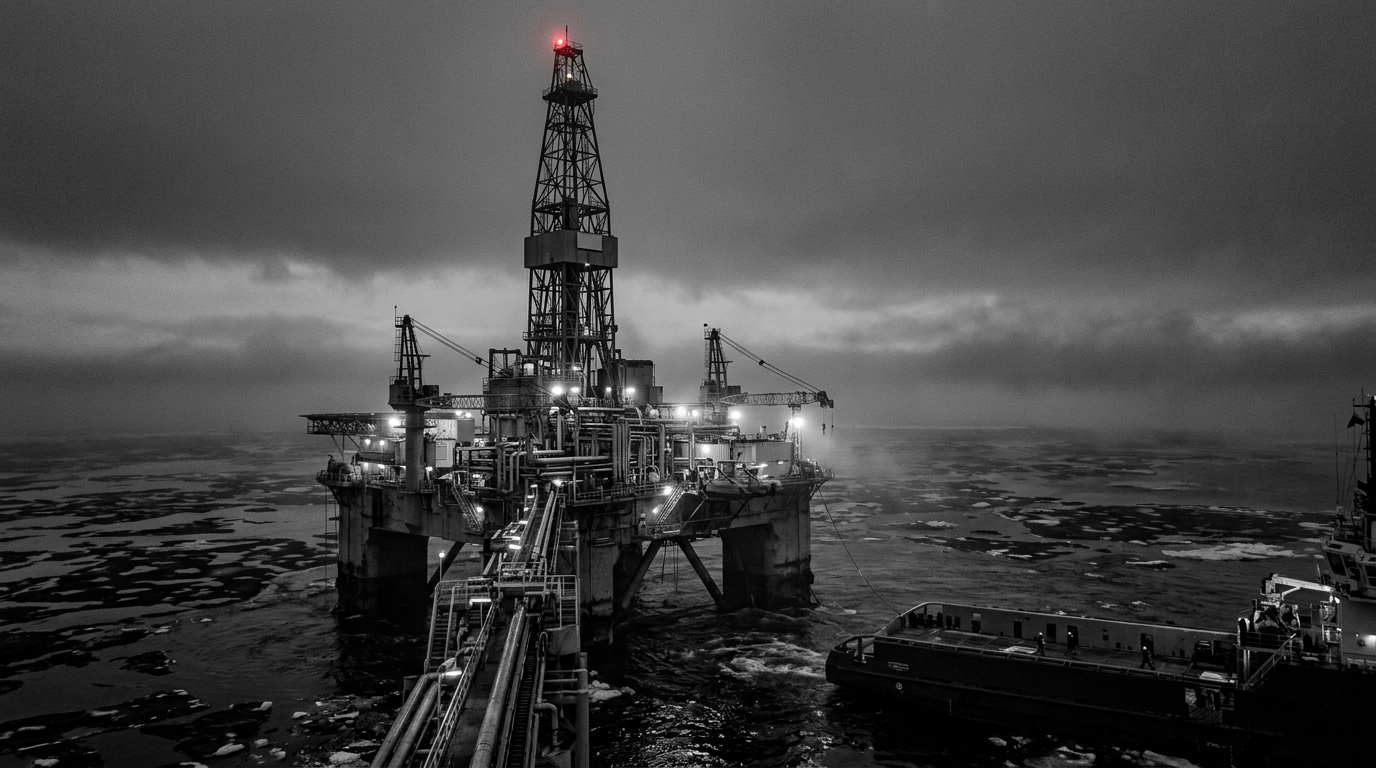
Norway has committed to expanding its oil and gas exploration in the Barents Sea, a move explicitly aimed at bolstering European energy security. This decision, announced by Energy Minister Terje Aasland, comes despite previous environmental policies from the European Union that sought to limit fossil fuel extraction in the Arctic region.
The commitment reflects Europe's increasing reliance on Norwegian energy supplies, which now account for approximately 30 percent of the natural gas consumed by the EU and the United Kingdom. This heightened dependency is a direct consequence of global geopolitical tensions, including ongoing conflicts in the Middle East and the war in Ukraine, which have disrupted traditional energy markets and supply routes.
Strategic Arctic Expansion
While the European Union has historically advocated for a moratorium on Arctic drilling, reports suggest that EU officials are re-evaluating these restrictions in light of the current global energy landscape. Norwegian authorities maintain that the specific areas slated for development are ice-free, aiming to mitigate potential environmental risks associated with extraction in the sensitive Arctic ecosystem.
Equinor, Norway's state-controlled energy giant and its largest producer, has indicated its operational flexibility. The company stated it possesses the capability to redirect output to broader global markets should the European Union ultimately decide against purchasing resources from these newly developed projects. This highlights Norway's significant strategic position within the international energy sector.
Shifting Energy Landscape
Norway's stature as a critical energy provider to Europe has grown considerably since Russia's invasion of Ukraine, which led to a substantial reduction in Russian gas supplies to the continent. This shift compelled European nations to actively seek out alternative and stable energy sources, inadvertently strengthening Norway's leverage in energy negotiations and policy formulation.
The Barents Sea, situated north of mainland Norway, is considered a frontier region with considerable untapped hydrocarbon potential. Developing these resources presents complex logistical challenges and raises significant environmental considerations.
The plans frequently draw criticism from environmental advocacy groups, who concerns regarding the potential impact on fragile Arctic ecosystems and the broader goals of combating climate change. The current debate thus underscores the inherent tension between immediate energy security imperatives and long-term climate objectives.
This strategic move by Norway underscores a broader trend where energy security is increasingly prioritized in national and international policy decisions. The long-term implications for climate commitments and the future of Arctic ecosystems remain a central point of discussion among policymakers and environmental organizations.