Ukraine war may see 300,000 new Russian troops, Kyiv says
Zelensky said Russia may draft 300,000 more troops after September elections as Ukraine faces thinner interceptor supplies and a $27 billion defense gap.
Mateo Fernandez ·
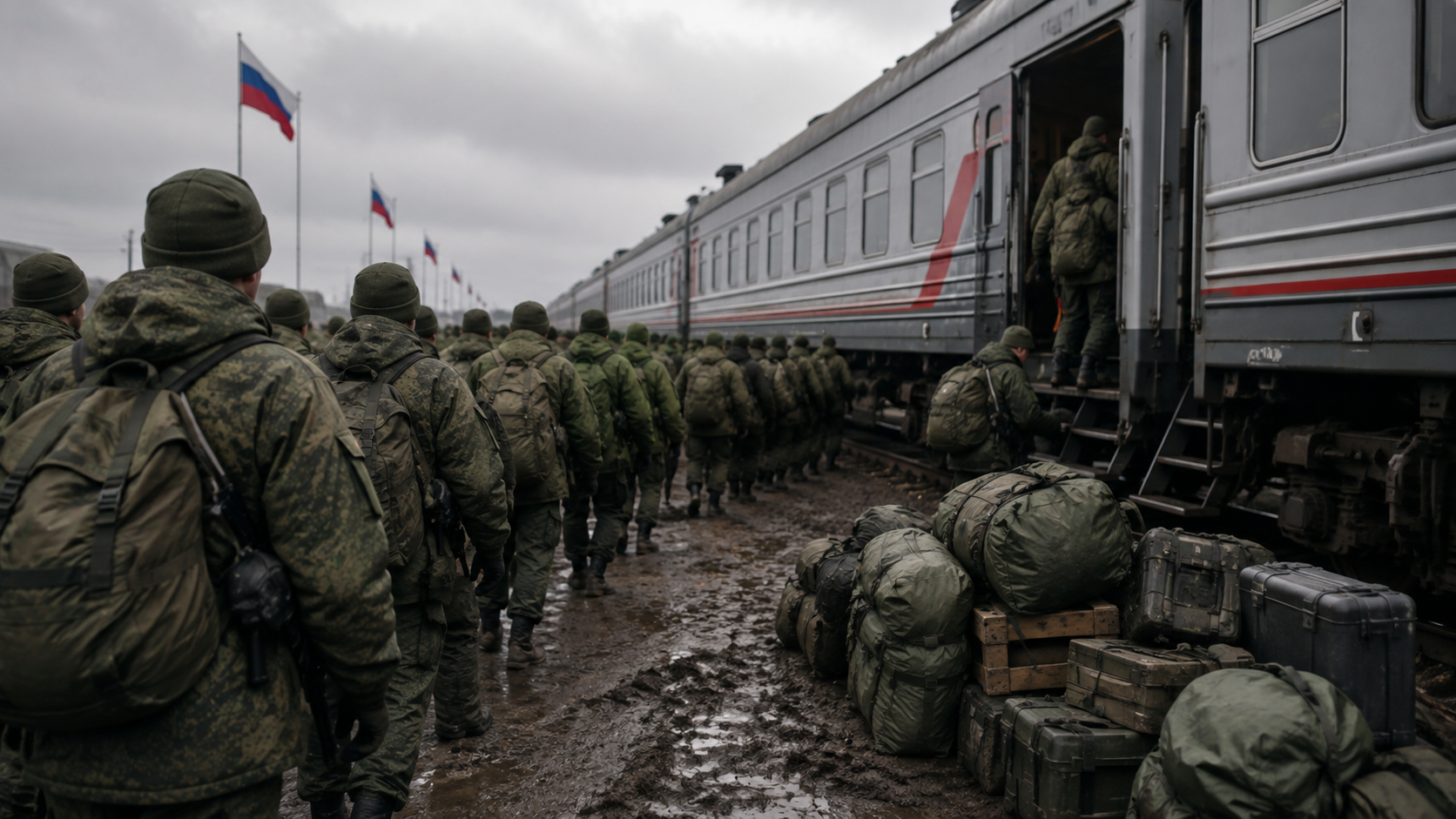
Zelensky says the Ukraine war may draw 300,000 more Russian troops after September elections, raising pressure on Kyiv's eastern defenses.
The Ukrainian president, in comments to reporters released on Sunday, said Moscow could pursue a later mobilization in 2027 to reach a wider target of 500,000. He described the expected effort as aimed away from central cities and toward Russia's distant regions.
September vote frames draft claim
Russia's parliamentary elections are set for September 18-20, the timing Zelensky linked to the possible new call-up. The conscription claim remains attributed to Kyiv, and Zelensky did not say Russia had issued a public order for the additional 300,000 troops.
Russian forces are trying to seize the remaining parts of the Donbas, Ukraine's industrial eastern region. Kyiv says Moscow's gains there have come at high troop costs, while Russian units continue to press around Kostiantynivka and toward the line of eastern cities Ukraine treats as a defensive belt.
Zelensky said Russia was taking what he described as maximum losses in the effort to advance near Kostiantynivka. He also said territory occupied by Russia and later liberated by Ukrainian forces in 2026 would be equal, framing recent Ukrainian operations in the southeast as a counterweight to Russian movement in the east.
Patriot shortage meets missile output
Ukraine's air-defense position is tightening as Russia expands missile and drone attacks on cities, according to Zelensky. He said Ukraine expects to have received 264 Patriot interceptors in 2026, down from 364 in 2025 and 675 in 2023.
The smaller interceptor flow matters ahead of winter, when Ukraine expects renewed Russian strikes on its power system. Zelensky said the Ukrainian air force had asked for 360 missile interceptors for the season, a request above the full-year Patriot figure he cited for 2026.
Zelensky also said Russia was working toward capacity to produce up to 1,300 ballistic missiles a year. That target, if reached, would widen the mismatch between Russia's potential strike output and Ukraine's available high-end interceptors.
Ukraine has expanded drone attacks over the summer against Russian economic infrastructure, including oil refineries and warehouses linked to online retailers. Kyiv says those sites support Russia's war effort, while Russian President Vladimir Putin said Saturday that attacks on economic targets would draw retaliation against Ukrainian economic sectors.
France and Germany add systems
Zelensky said Ukraine had reached an agreement with France for at least one SAMP/T air-defense system this year. He also cited an arrangement with Germany for about 600 PAC-2 and PAC-3 interceptors through 2028.
The delivery timelines leave Kyiv balancing immediate winter needs against longer procurement schedules. For Ukraine's government, the mechanism is direct: fewer interceptors increase the risk that Russian missiles reach energy infrastructure, while delayed funding limits the ability to buy replacements or expand domestic production.
$27 billion budget hole
Zelensky said Ukraine faces a $27 billion defense funding gap this year, a shortfall he attributed to higher-than-expected spending in the first half. He said at least $8 billion is needed for a normal start to 2027, with about $20 billion more required for military salaries, payments to families of the dead and other financing.
If Russia adds the 300,000 troops Zelensky described, the global channel would run through higher defense spending, energy-security costs and sanctions pressure rather than ordinary trade flows. For Ukraine, more Russian manpower would test the Donbas line and increase the importance of interceptor deliveries; for the defense industry, it would sustain demand for missiles, launchers and maintenance capacity.
If the mobilization is smaller or delayed, Ukraine's near-term constraint would still be air defense and budget cash before winter. The open questions are whether Russia moves after the September vote, whether promised interceptors arrive before the heating season, and whether donors close the 2026 funding gap before it affects salaries, procurement or energy protection.