Trump Considers Lake Ontario Renaming Amid Trade Spat
President Trump's administration is considering renaming Lake Ontario to Lake America, amid escalating trade tensions and tariffs with Canada.
Atlas Newsdesk ·
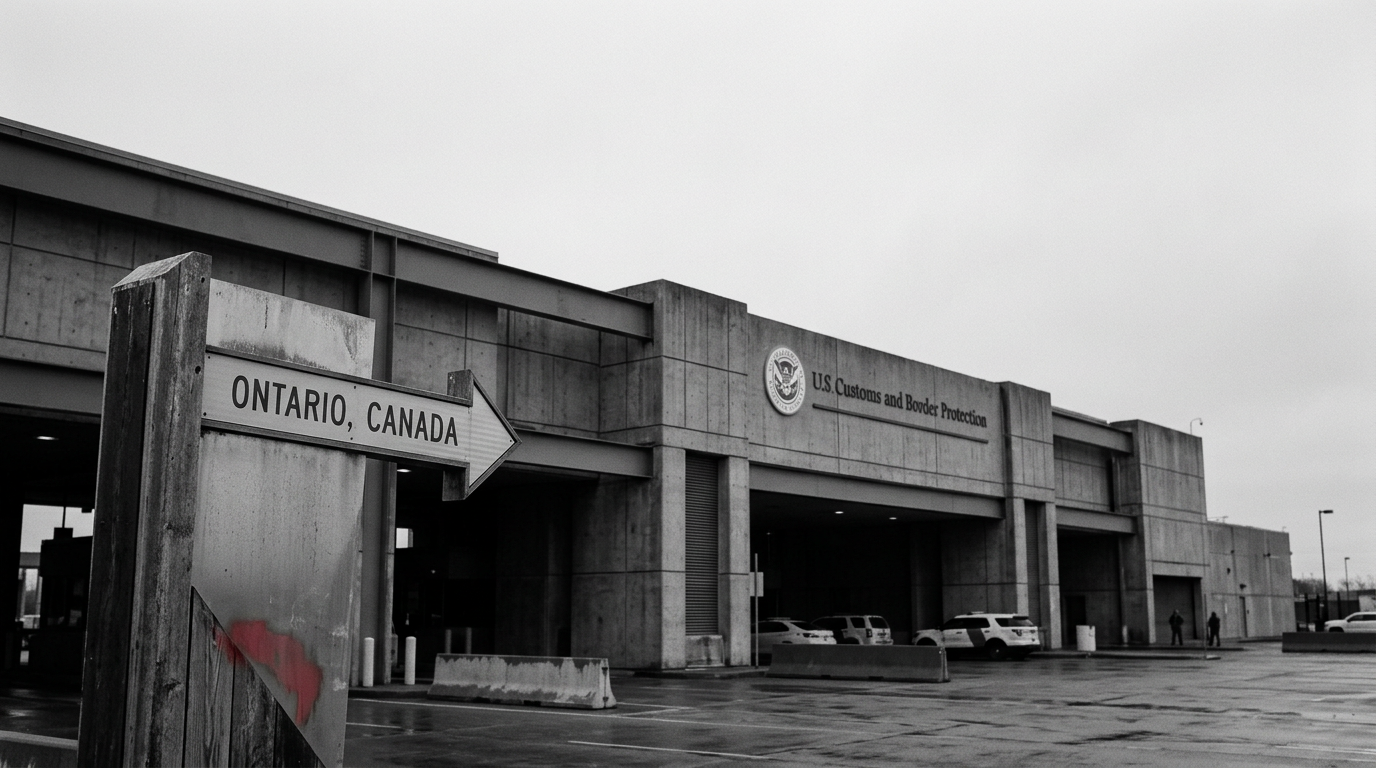
United States President Donald Trump announced on Tuesday that his administration is evaluating a proposal to rename Lake Ontario as Lake America. This suggestion emerges amidst an increasingly contentious trade dispute between the U.S. and Canada, marked by significant tariff impositions on Canadian goods. The idea to rename one of the five Great Lakes, which is shared by both nations, reflects a deepening strain in bilateral trade relations.
The proposal follows the recent implementation of 50 percent tariffs on Canadian products valued at approximately $20 billion, which became effective last weekend. These duties primarily target crucial sectors such as automotive parts, steel, and a variety of consumer products, exacerbating economic friction between the two long-standing allies.
Escalating Trade Measures
The trade conflict intensified after negotiation attempts between Washington and Ottawa failed to yield a resolution. Subsequently, the U.S. proceeded to impose tariffs on a substantial portion of Canadian exports, affecting roughly 5.5 percent of Canada's total outbound trade. This action signifies a considerable escalation in the ongoing economic disagreement.
The U.S. administration has also signaled the potential for additional punitive measures if Canada does not concede to its trade demands. Such prospective tariffs could specifically target the Canadian automotive industry, a sector critical to both national economies. Given the integrated nature of North American supply chains, particularly in energy and manufacturing, these actions carry the risk of widespread repercussions across various industries.
Canada's Official Response
Canadian officials have largely dismissed the symbolic lake renaming proposal. Trade Minister Dominic LeBlanc stated that the federal government would not engage with policy announcements conveyed through social media. This stance indicates a deliberate strategy to avoid validating what Canadian authorities might perceive as mere rhetorical posturing from the U.S. administration.
Prime Minister Mark Carney characterized the American demands as an effort to undermine significant Canadian industries. He underscored the potential for substantial economic risks to both domestic markets due to the prolonged dispute, emphasizing the deeply interconnected supply chains that bind the two economies. Analysts suggest that a protracted trade disagreement could disrupt manufacturing operations, increase consumer expenses, and lead to job losses on both sides of the border, impacting sectors from natural resources to advanced manufacturing.
Historical Context and Future Uncertainty
Historically, trade relations between the United States and Canada have been robust, largely underpinned by agreements such as NAFTA, which has since been replaced by the USCMA. However, the current U.S. administration has consistently expressed dissatisfaction with existing terms, advocating for changes deemed more favorable to American interests. The present tariffs represent a significant departure from previous trade policies, highlighting a more aggressive approach in bilateral economic negotiations.
The Great Lakes, including Lake Ontario, have long symbolized shared natural heritage and cross-border cooperation. The notion of renaming a shared natural resource suggests an unprecedented level of tension in a relationship traditionally characterized by close partnership and mutual economic benefit. The long-term implications for future cross-border collaboration on environmental initiatives, security matters, and broader economic integration remain uncertain.