AI Investments Drive Eurozone Industrial Sorting for Circular Economy
Billions in global AI investments are transforming industrial sorting with optical technology, pushing the Eurozone towards its circular economy goals and reducing resource dependency.
Claire Dubois ·
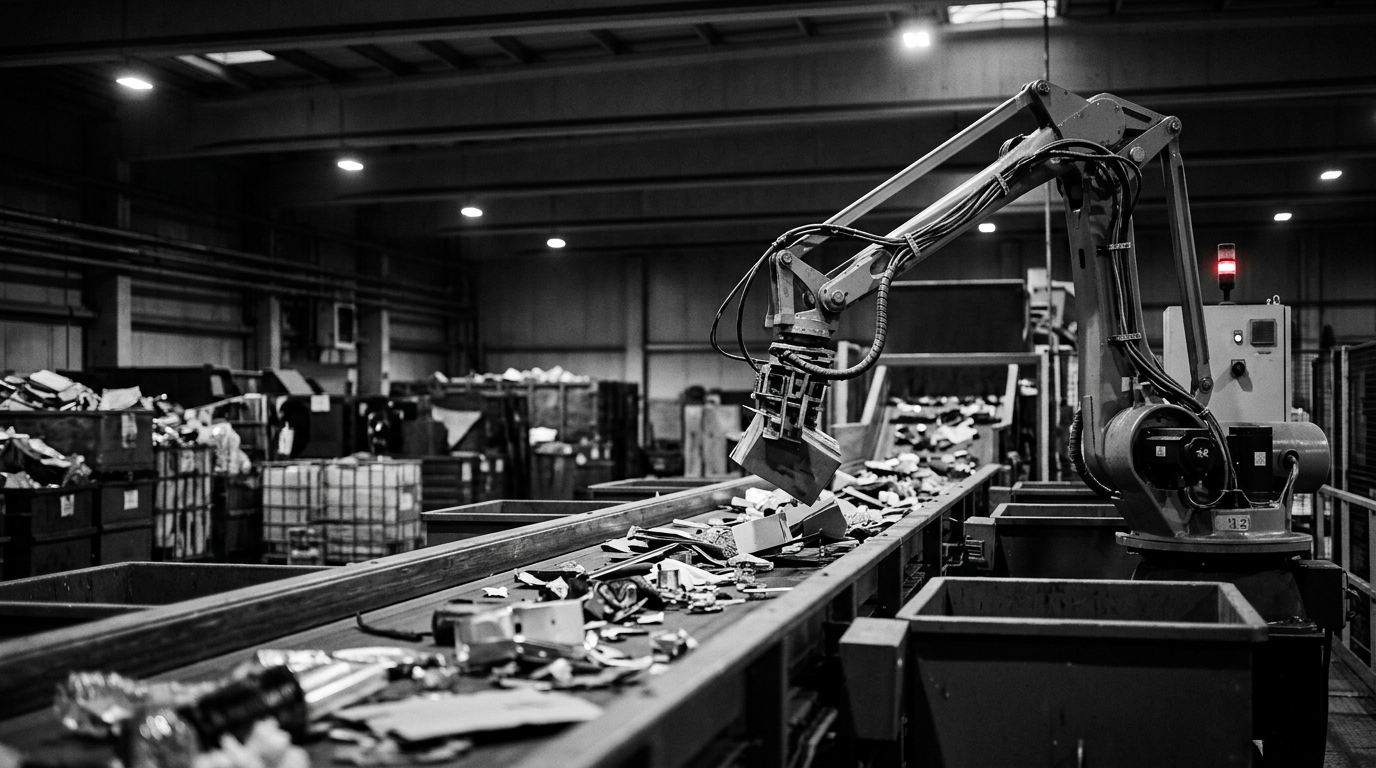
A global influx of capital, amounting to billions, is being directed into artificial intelligence-powered optical sorting technologies. This investment aims to enhance recycling precision and operational efficiency across various industries, thereby aligning industrial processes with increasingly stringent circular economy mandates. Industry reports highlight this funding surge as indicative of a significant structural shift in material processing within sectors such as waste management and mining, with particular relevance for the Eurozone's heavily regulated and resource-constrained economies.
The European Union has consistently pursued an ambitious circular economy agenda, focused on minimizing waste and maximizing resource utilization. Legislative frameworks, including the Waste Framework Directive and the Circular Economy Action Plan, establish binding targets for member states regarding waste prevention, reuse, and recycling rates. These directives compel industries to innovate, exemplified by the EU's objective to recycle 65% of municipal waste by 2035. Achieving this target requires advanced sorting capabilities that surpass current mechanical systems.
Policy Support and Macroeconomic Impact
Funding initiatives, such as the EU's NextGenerationEU recovery plan, actively incentivize green and digital transitions, potentially bolstering the adoption of AI-driven solutions within the region. The expanded use of these AI-powered optical sorters is poised to significantly reshape the Eurozone's industrial landscape. Improved sorting accuracy reduces contamination in recycled materials, thereby increasing their market value and fostering domestic supply chains for secondary raw materials. This development could diminish the bloc's reliance on imported primary resources, potentially strengthening the euro through enhanced trade balances.
For specific sectors like manufacturing and packaging, the availability of higher-quality recycled content at competitive prices could lead to lower input costs and improved profit margins. Financial institutions, particularly those with strong environmental, social, and governance (ESG) lending frameworks, may discover new avenues for financing infrastructure upgrades in waste management and recycling facilities, integrating these advanced technologies.
Industry Trends and Future Pathways
As of late 2023, investments in optical sorting technologies have shown consistent growth. Global market projections, based on industry research, anticipate a compound annual growth rate exceeding 10% through 2030. This growth is primarily fueled by demand from recycling and waste management sectors, as well as mining operations seeking greater efficiency. Within the Eurozone, major industrial players, including prominent waste management firms and material processors, are expected to spearhead this technological integration.
Their investment decisions will be crucial in determining the speed at which these advanced systems become standard practice, influencing overall economic efficiency and environmental compliance. The key question remains whether Eurozone policymakers and industry bodies will proactively accelerate the adoption of these AI-driven sorting systems beyond their current organic growth trajectory. This acceleration could manifest through targeted legislation, enhanced financial incentives, or collaborative industry initiatives aimed at circular economy objectives. The next 12 to 18 months will be vital for observing whether public and private sector investment in AI sorting technologies translates into measurable improvements in recycling rates and resource efficiency across the bloc, shaping industrial competitiveness and progress toward environmental targets.