Sudanese Conflict Risks Fragmentation Despite SAF Gains
Recent military successes by the Sudanese Armed Forces against the RSF in 2026 risk fragmenting the conflict into localized insurgencies, complicating peace prospects.
Lauren Collins ·
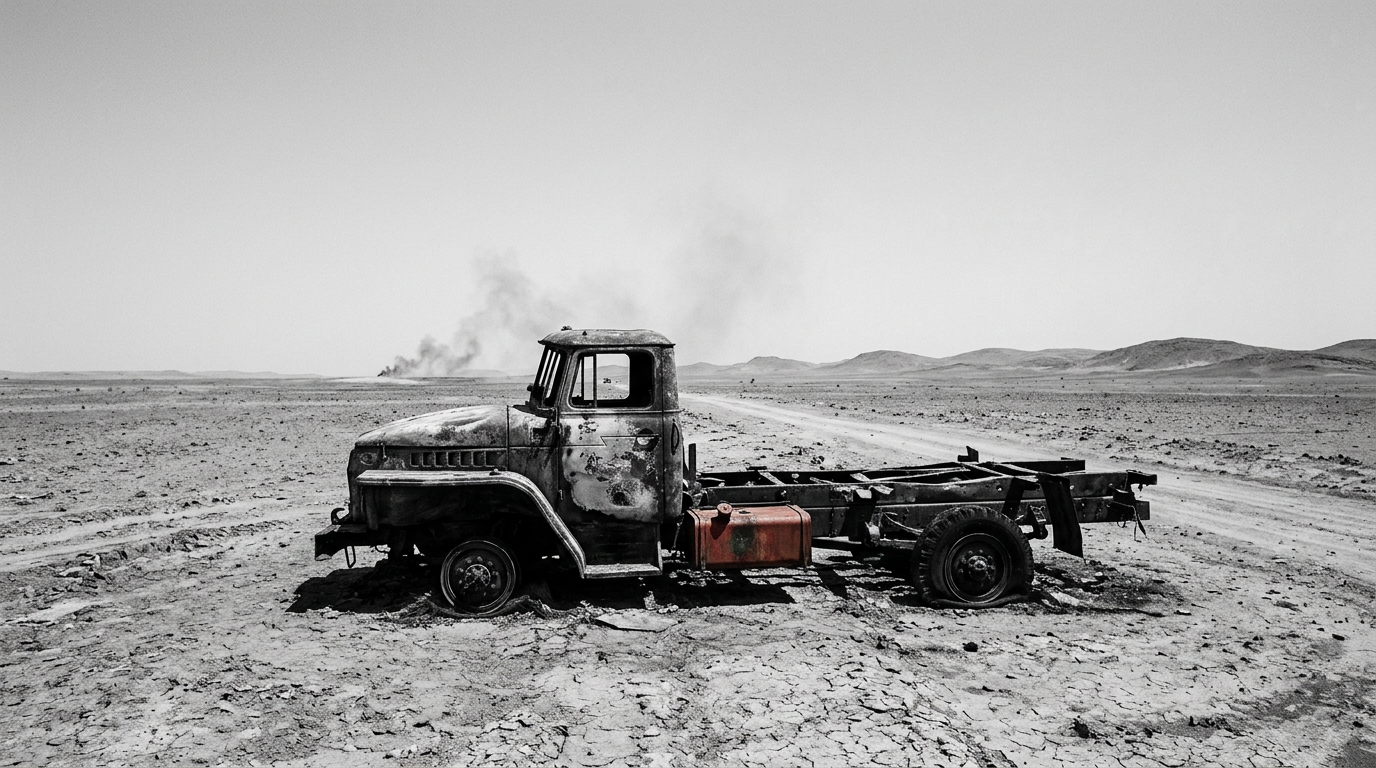
The Sudanese Armed Forces (SAF) made notable territorial advances against the Rapid Support Forces (RSF) during the summer of 2026, including recapturing key strategic points along the vital Export Road. These tactical achievements, however, coincide with a concerning shift in the conflict's nature, moving from a consolidated war toward a series of decentralized, localized insurgencies across various regions.
While the SAF's operations have placed the RSF in a defensive posture within central Sudan, the paramilitary group has simultaneously expanded its presence in other areas. Specifically, the RSF has extended its control into Blue Nile state, reportedly receiving cross-border backing from Ethiopia, which enabled it to seize the towns of Kurmuk and Geisan. This dual dynamic highlights the complex and evolving nature of the hostilities.
Shifting Military Dynamics
The structural fragilities inherent in both warring factions contribute significantly to the challenging prospects for achieving a unified and lasting peace. The SAF operates through a disparate coalition that includes Darfuri factions and various irregular militias. These groups largely maintain operational autonomy, despite previous governmental assurances and pledges to integrate them into a more formal command structure. This lack of centralized control within the SAF's alliance complicates coordinated military efforts and post-conflict stabilization.
Conversely, the RSF is experiencing its own internal divisions. Reports indicate that several senior commanders have defected, taking their units with them. This process effectively creates new, independent armed entities rather than strengthening the central command of the RSF, further fragmenting the already complex security landscape. These internal fissures suggest a weakening of command-and-control structures on both sides of the conflict.
Political Landscape and Future Risks
The political environment surrounding the conflict is further complicated by the significant role played by various Islamist brigades, most notably al-Baraa ibn Malik. These brigades provided crucial support for the SAF's recent advances, demonstrating their continued influence on the battlefield. Although some elements of these groups have reportedly signaled a tactical withdrawal from active combat roles, their sustained presence and accumulated battlefield experience pose a long-term challenge to the stability of any post-war settlement.
The potential absence of a common adversary, should one side gain a decisive advantage or if hostilities de-escalate, threatens to unravel existing military alliances. This dissolution of current partnerships is likely to lead to an extended period of decentralized violence and localized clashes, rather than a definitive end to the broader conflict. Such fragmentation would make any future peace negotiations or disarmament efforts considerably more difficult to implement effectively.