Kazakhstan's Adilet Party Dominates Parliamentary Election
Kazakhstan's recently formed Adilet party secured 71% of the vote in Sunday's parliamentary election, reinforcing President Tokayev's reforms.
Lauren Collins ·
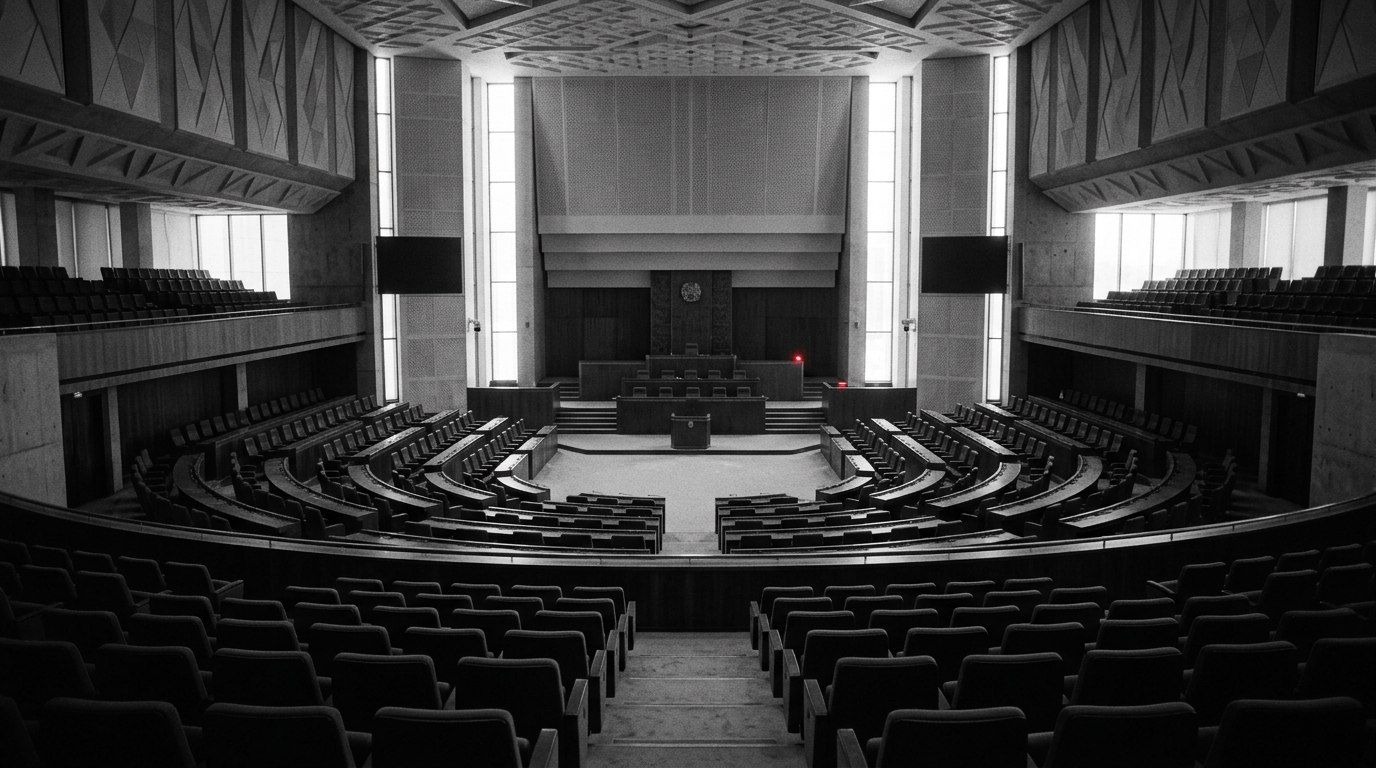
Kazakhstan's newly established Adilet party achieved a decisive victory in Sunday's parliamentary elections, securing 71 percent of the votes cast. Official results, confirmed on Monday by the central electoral commission, highlight a substantial mandate for the party, which was founded by presidential advisors earlier in the year. This outcome is widely anticipated to strengthen the political position of President Kassym-Jomart Tokayev as the nation transitions to a single-chamber legislative body.
The election observed a voter turnout of 74 percent among the 12.6 million eligible citizens across the country. This parliamentary poll occurred after the adoption of a revised constitution, which reorganized the legislature into a 145-member entity now designated as the Kurultai. Ahead of the election, Adilet incorporated the former governing party, Amanat, a strategic move designed to consolidate its support base and ensure broad backing within the new parliamentary framework.
New Legislative Composition
Beyond Adilet, four additional political parties successfully gained representation in the new parliament. These include Respublika, Ak Zhol, the Nationwide Social Democratic Party, and Auyl. All these parties are generally considered supportive of the current administration, indicating the government's strong influence within the restructured legislative landscape. The composition of the Kurultai suggests a unified political front, largely aligned with President Tokayev's overarching vision for the country.
This structural transformation is a foundational component of President Tokayev's broader "Just Kazakhstan" reform initiative. Launched in the wake of widespread civil unrest that took place in 2022, the initiative aims to modernize the country's governance. While the amended constitutional framework grants the parliament enhanced legislative authority, it also provides President Tokayev with the option to pursue another seven-year term, thereby balancing parliamentary empowerment with presidential continuity.
Upcoming Presidential Appointment
A crucial next step within the ongoing administrative adjustments involves the appointment of a new president, an office recently created under the revised governing structure. President Tokayev is expected to name this individual within the next ten days. This appointment is seen as a key action to further solidify the administrative changes and facilitate the smooth implementation of the reforms. The introduction of this role reflects a strategic effort to centralize executive power while projecting an image of legislative reform and responsiveness.
The recent election results signify a continued consolidation of political authority under President Tokayev. Should the new parliamentary structure prove effective in streamlining decision-making processes, it could potentially accelerate the progress of his reform agenda. Conversely, the notable absence of a robust opposition within the Kurultai might lead to less diverse policy debates, which could have implications for the long-term stability and democratic evolution of Kazakhstan's governance. The forthcoming presidential appointment, alongside the initial legislative actions of the new parliament, will offer further clarity on the operational impact of these profound constitutional and political shifts.