Israel-Syria talks resume after eight bombs hit Syrian base
Israel-Syria talks followed an Israeli airstrike on Abu al-Duhur as US officials pressed Israel, Syria and Turkey to reopen channels.
Atlas Newsdesk ·
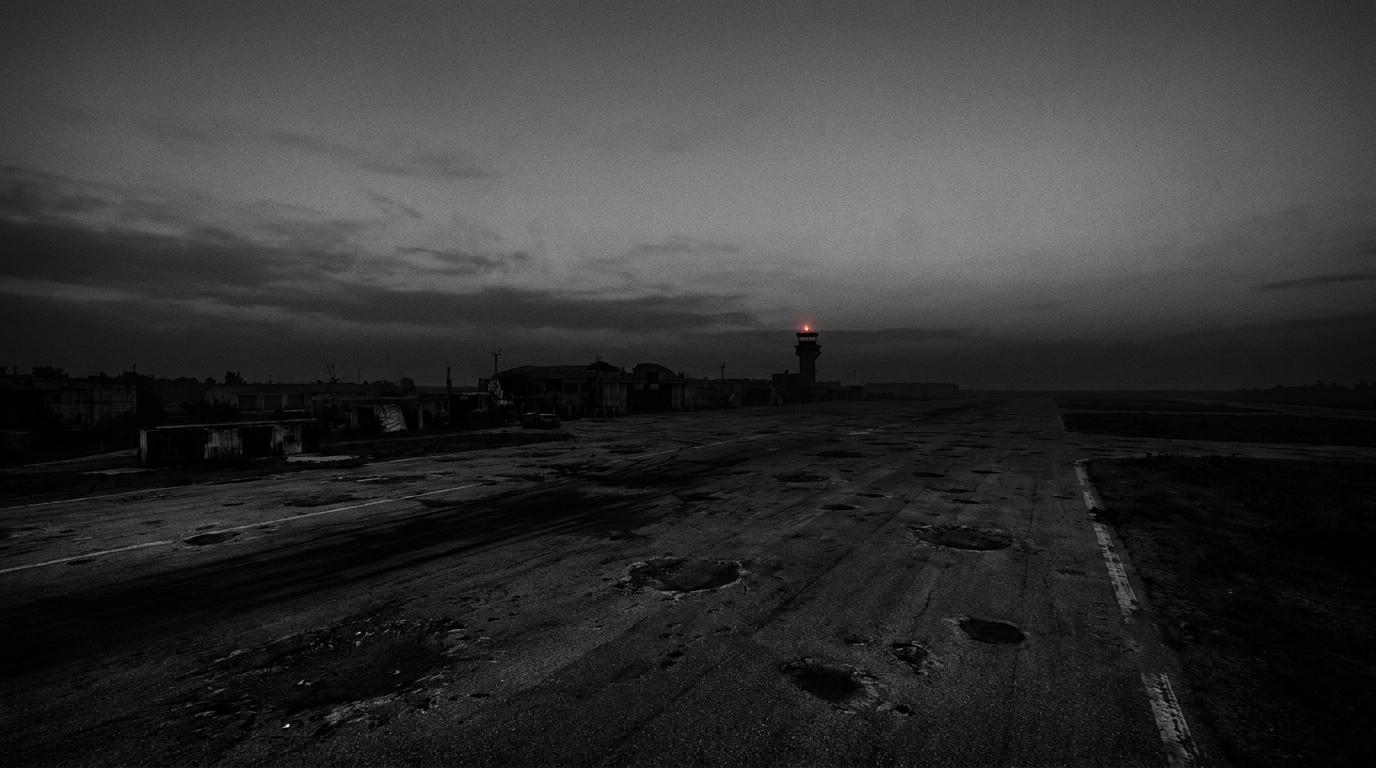
Israel-Syria talks brought senior officials together Sunday after an Israeli strike hit Abu al-Duhur airbase with at least eight bombs.
Three people with knowledge of the matter, describing closed-door diplomacy, said Syrian Foreign Minister Asaad al-Shaibani met Roman Gofman, identified in the account as the director of Israel's Mossad spy agency. The Israeli prime minister's office declined to comment; a spokesperson for al-Shaibani did not immediately respond.
Abu al-Duhur strike drives talks
The meeting followed a Tuesday Israeli Air Force operation against Abu al-Duhur in northern Syria, about 45 miles from the Turkish border. The aircraft dropped at least eight bombs on runways and hangars, according to the account from people briefed on the matter.
Israel said the strike was aimed at preventing a Turkish military buildup at the base. Israeli officials said they had intelligence indicating Turkey planned to deploy drones and a radar system there.
Israel also warned that it would take military action if preparations for the Turkish deployment did not stop. During separate contacts involving Israel, Syria and the US, the Syrian government denied any plan to allow a Turkish military presence at Abu al-Duhur.
Turkey link raises exposure
The denial did not stop the Israeli strike, which Israel described as a "warning shot." That sequence turned a dispute over one airbase into a three-way security problem involving Israel's threat perception, Syria's control over its own military sites and Turkey's regional reach.
Abu al-Duhur's location gives the episode a concrete military frame. A base 45 miles from the Turkish border would matter less as a symbolic target than as a potential platform for radar coverage, drone operations or intelligence collection, if the deployment Israel described were to proceed.
For Syria, the immediate cost is pressure on infrastructure and diplomacy at the same time. The government has denied the Turkish deployment plan, but the reported talks suggest Damascus still has to manage Israeli concerns, Turkish interests and US pressure without letting the airbase become a recurring trigger.
US pressure reopens channels
In recent days, President Trump's envoy Tom Barrack and other senior US officials urged Israel, Turkey and Syria to resume dialogue. The reported Sunday meeting indicates that the push produced at least one direct high-level contact after the airbase attack.
The US role matters because the dispute links two American partners, Israel and Turkey, to Syria's fragile security environment. Washington's immediate mechanism is not a public agreement, based on the facts available, but pressure to keep conversations open before another military move narrows options.
The main open question is whether the reported meeting creates a durable channel or only pauses escalation after a single strike. Another uncertainty is whether Turkey still seeks any presence at Abu al-Duhur, a claim Israel has made and Syria has denied.
Airbase dispute sets scenarios
If dialogue holds and Syria keeps Abu al-Duhur free of the Turkish deployment Israel described, the global macro effect is contained regional risk rather than a wider military episode. Israel would have achieved its stated objective without a second strike, while the regional security sector would face fewer immediate triggers around drones and radar systems.
If Turkey presses ahead with drones or radar at the base, the mechanism moves the other way: Israel has already warned it may act militarily. Syria would face renewed questions over control of the site, and militaries across the eastern Mediterranean would treat Abu al-Duhur as a test case for how quickly air-defense, drone and surveillance deployments can draw a response.