DHS Finalizes $20 Million Electric Glove Acquisition for ICE Officers
The Department of Homeland Security will spend 20 million dollars to equip ICE officers with electric-shock gloves by March, drawing criticism from civil rights groups over safety concerns.
Lauren Collins ·
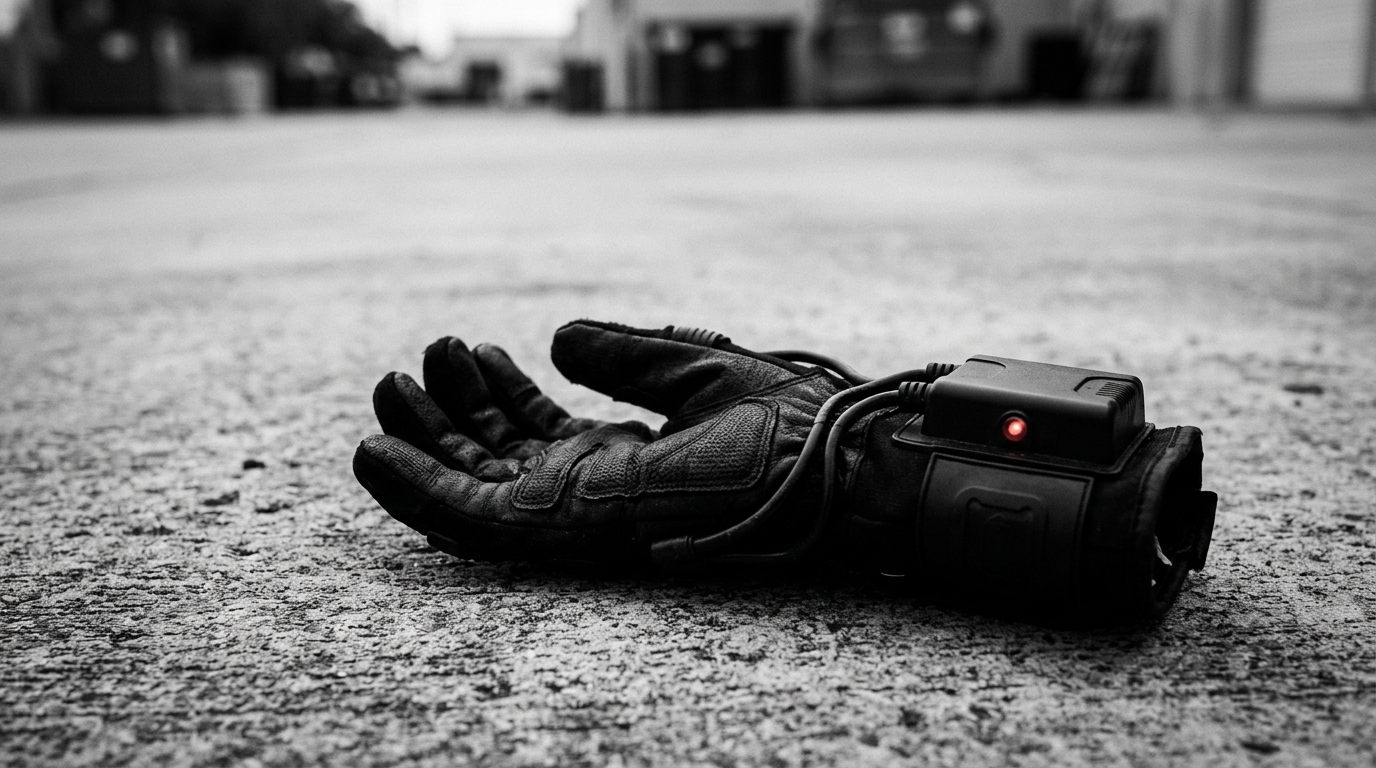
The Department of Homeland Security finalized plans to spend up to $20 million to equip Immigration and Customs Enforcement (ICE) officers with electric-shock gloves by March 2026. These devices, known as Generated Low Output Voltage Emitter (G.L.O.V.E.) devices and manufactured by Compliant Technologies, aim to provide federal agents with additional tools for arrest and detention operations.
The procurement decision has prompted significant opposition from civil liberties organizations, which cite concerns over potential misuse. Critics point to existing litigation involving the technology, including a wrongful death lawsuit in Kentucky where a subject allegedly received 40 shocks.
Device Technology and Deployment
The G.L.O.V.E. devices deliver an electric shock of between 324 and 380 volts upon skin contact. In contrast, Tasers typically fire prongs from a distance and can incapacitate individuals with 1,200 to 1,500 volts. The manufacturer's manual cautions against using the gloves on elderly people, small children, pregnant women, and disabled individuals.
While the DHS classifies the equipment as a de-escalation tool, its integration into federal enforcement follows adoption by approximately 50 police departments across 20 states, including some use cases within public school systems. The agency maintains that the equipment undergoes rigorous policy review to ensure compliance with law enforcement standards.
Oversight Concerns and Civil Liberties
Advocacy groups argue that the lack of federal oversight regarding ICE use-of-force protocols creates a high risk for abuse in detention facilities and during street-level enforcement actions. The American Civil Liberties Union (ACLU) stated there are "no circumstances where we think their use is appropriate," noting concerns about deployments in places like Fort Bliss, the largest migrant detention facility in the US, where abuse allegations are common.
The Department
A DHS spokesperson affirmed that "every decision is made with careful consideration and appropriately reviewed to ensure that any technology ICE utilizes is consistent with all applicable law enforcement policies and standards." However, civil liberties groups contest this, highlighting that ICE's hiring standards, training, and background requirements have been lowered.
Future Implications for Enforcement
The deployment of electric-shock gloves could alter the landscape of federal immigration enforcement by introducing a new use-of-force option.
If the DHS policy reviews effectively mitigate abuse risks, the tools might become a standard part of agent equipment. Conversely, if legal challenges and reports of misuse continue, the procurement could face sustained political pressure and potential legal injunctions, affecting ICE's operational capabilities and public trust.