Israel Intensifies Gaza Strikes Following Diplomatic Departure
Israel has escalated military operations in Gaza and expanded actions in the West Bank, sparking international condemnation but no immediate new measures.
Mateo Fernandez ·
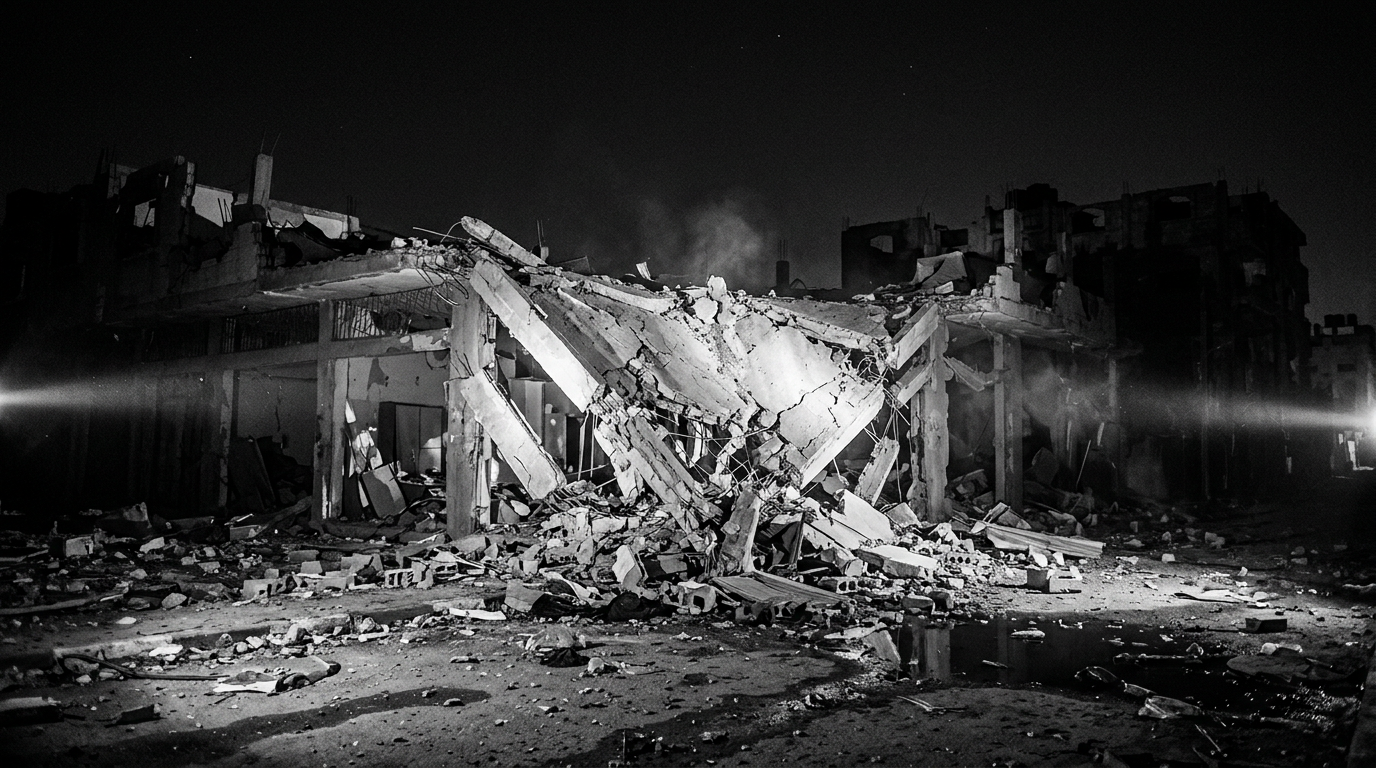
Israeli forces have intensified their military campaign in the Gaza Strip and broadened operations across the West Bank, according to officials, shortly after the departure of a key diplomatic figure. These actions, which commenced on August 25, have drawn criticism from several international governments, though no immediate punitive measures have been announced.
The latest surge in activity marks an expansion beyond previous operational targets, officials stated. Military operations were reported in densely populated areas within Gaza, indicating a shift in the scope of the campaign. Concurrently, new raids were conducted in various sectors of the West Bank, signifying a broadening of the conflict beyond its previous parameters.
International Reaction and Diplomatic Stances
Diplomats in major global capitals, including Washington, Doha, and London, publicly condemned the intensified Israeli actions. These diplomatic statements expressed strong disapproval of the escalating violence. However, despite the vocal criticism, diplomats noted that no fresh sanctions or direct military interventions were declared at the time the reports were made public.
This situation highlights a potential gap between rhetorical condemnation and concrete international action, leaving observers to assess the long-term impact of such diplomatic responses. The lack of immediate, tangible measures could influence the dynamics of the ongoing conflict.
Potential Market and Regional Impacts
Market participants have begun to assess the potential economic ramifications of the escalating conflict. Concerns were raised regarding possible disruptions to regional energy flows, with some analysts suggesting an increased demand for traditional safe-haven assets. However, trading desks emphasized that significant market movements would largely depend on whether the violence broadens beyond its current scope.
Traders and oil market analysts specifically flagged the situation as a growing risk to critical supply routes and highlighted the potential for increased tanker insurance costs. Investors and policy teams are reportedly closely monitoring official statements from key international capitals and any incidents that might affect shipping lanes over the coming days, specifically within a 72-hour timeframe.
Future Outlook and Immediate Questions
The immediate questions for policymakers and international observers revolve around the potential for further expansion of military operations and whether international governments will transition from verbal condemnation to implementing concrete measures. The trajectory of the conflict remains uncertain, with its future largely dependent on these two critical factors.
The ongoing developments underscore the fragility of the regional security landscape and the complex interplay between military actions, diplomatic responses, and economic sensitivities. The international community continues to watch for any significant shifts in the operational scope or diplomatic engagement.