UK Data Centers' Emissions Forecast to Exceed ExxonMobil's
Two UK data centers are projected to emit 4.57 million tonnes of carbon annually, surpassing ExxonMobil's 2023 UK emissions, raising climate target concerns.
Lauren Collins ·
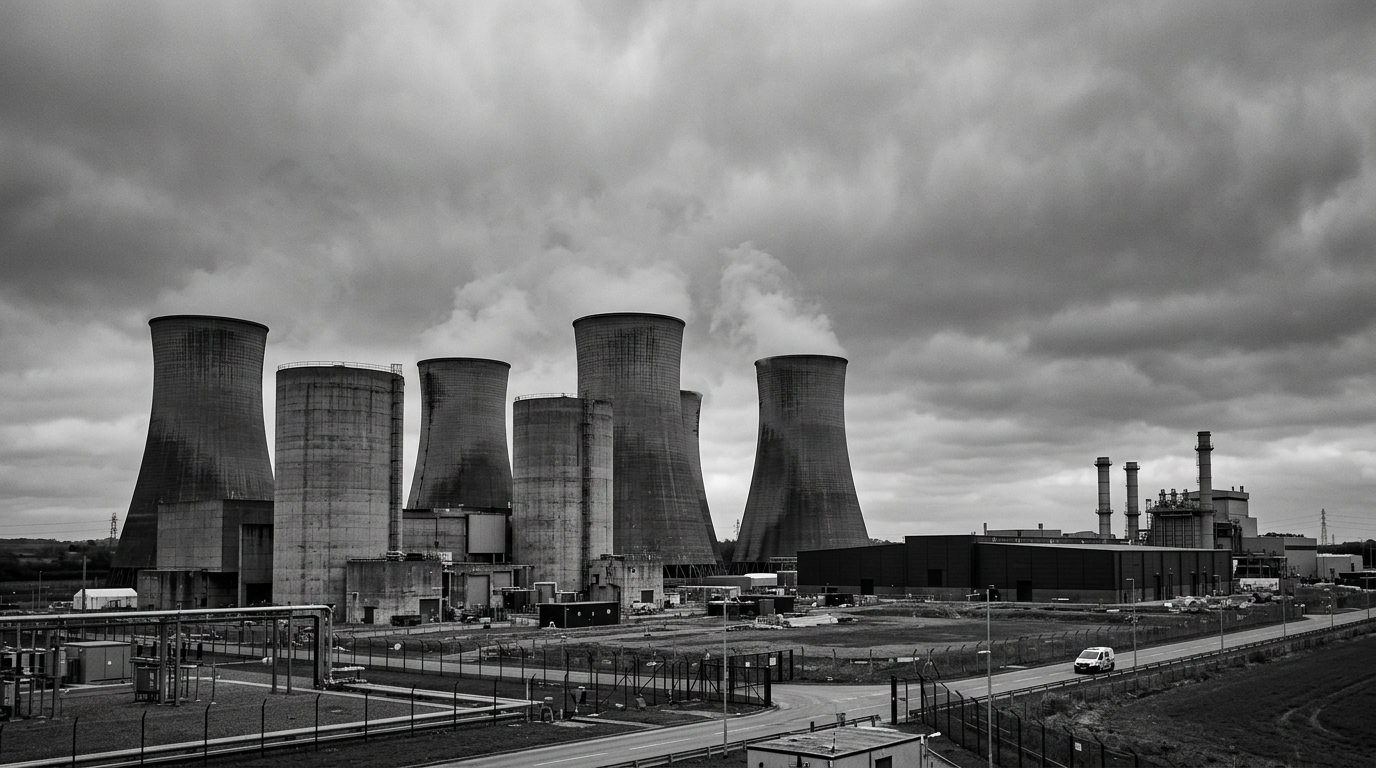
New analysis indicates that two proposed data centers in the United Kingdom could generate approximately 4.57 million tonnes of carbon emissions per year. This figure is higher than the 3.9 million tonnes reported by ExxonMobil in the UK for the year 2023. The non-profit organization Foxglove conducted the analysis, highlighting the environmental implications of the Wapseys Wood and Quest Park facilities.
These two sites, situated in Buckinghamshire and Bedfordshire, are estimated to require 1.3 gigawatts of power. Due to existing delays in connecting to grid, the substantial energy demand for these projects necessitates the construction of dedicated on-site gas-fired power stations.
Energy Demands and Regulatory Pathways
The considerable environmental footprint is primarily linked to the high energy intensity of operating artificial intelligence servers and their essential cooling systems. These data center developments are being fast-tracked through the UK government's Nationally Significant Infrastructure Project (NSIP) regime. This designation enables projects to bypass typical local planning scrutiny, accelerating their approval and construction.
The rapid expansion of digital infrastructure creates direct competition for energy resources, potentially diverting available power capacity that could otherwise be used for wider national decarbonization efforts. However, the government has suggested that these emission projections may be overstated, anticipating lower utilization rates for the facilities.
Climate Commitments Under Scrutiny
Government officials maintain that the growth of data centers can be reconciled with the country's climate targets by simultaneously expanding clean energy sources. Despite these assurances, environmental policy experts are cautioning about potential risks to the UK's legally binding carbon budgets.
Concerns are escalating over the cumulative energy demand from the 315 data centers currently awaiting grid connection, which collectively represent an enormous 73 gigawatts of power. Experts argue that without more stringent regulatory oversight, the burgeoning demand from these facilities could significantly hinder the UK's progress towards its climate commitments, potentially increasing the overall carbon output rather than reducing it.
Global Digital Infrastructure Trends
The drive for new data center capacity in the UK mirrors a global trend, fueled by the increasing reliance on digital services, cloud computing, and the rapid advancements in artificial intelligence. As digital transformation accelerates across various industries, the physical infrastructure required to support it, specifically data centers, also expands.
This expansion presents a critical challenge for nations committed to reducing carbon emissions while simultaneously fostering technological growth. Balancing these competing priorities requires careful planning, substantial investment in renewable energy sources, and innovative approaches to energy efficiency within data center operations. The ongoing debate in the UK underscores the tension between facilitating technological development and adhering to environmental mandates, a challenge many developed economies currently face globally.