Iran Threatens Gulf Oil Blockade Amid US Sanctions Push
Iran signals a potential halt to Persian Gulf oil exports following US preparations for new sanctions targeting trade with Tehran.
Mateo Fernandez ·
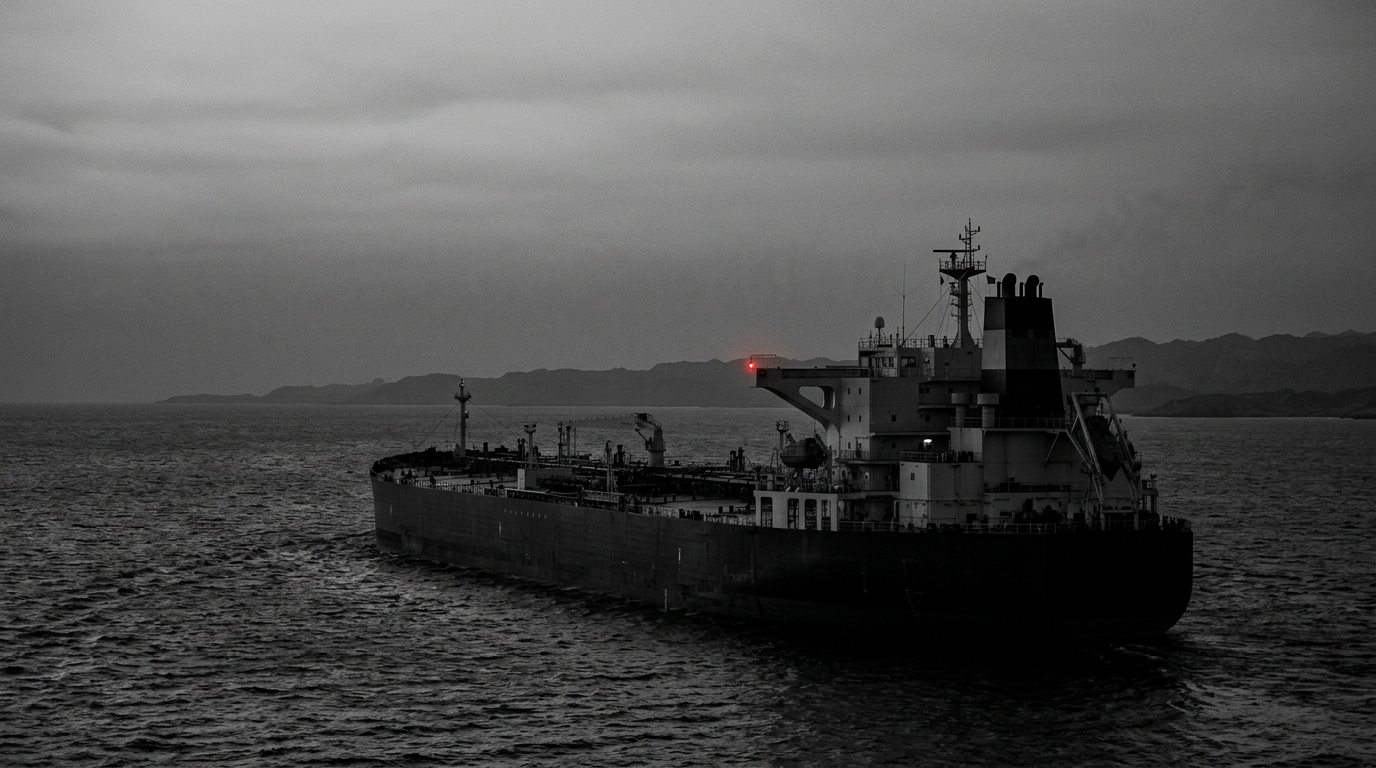
Iranian officials have warned of a possible cessation of oil exports from the Persian Gulf, a critical global shipping lane, in direct response to impending US financial sanctions. Washington is reportedly preparing an expanded financial campaign against Tehran, which includes new penalties for countries and companies engaged in trade with Iran.
This development immediately introduces a commodities-focused dimension to the ongoing confrontation. The Persian Gulf serves as a central artery for seaborne crude oil and refined products. Any confirmed restriction of passage or disruption to shipments would be perceived by commodity markets as a significant supply-risk event, even before the physical impact on supply chains becomes clear.
US Sanctions Strategy
The US campaign is designed to broaden pressure on trade activities involving Tehran, moving beyond just targeting Iranian entities directly. This expanded approach means that various participants across the oil supply chain, including buyers, shippers, banks, and insurers, could face heightened scrutiny. This strategy aims to increase compliance risks even without a formal halt to exports.
Such measures would challenge the willingness of intermediaries to absorb potential US-imposed risks. Should Gulf shipments continue without interruption, the immediate market effect might be confined to a risk premium applied to crude oil prices, freight costs, and insurance rates. However, if flows are disrupted, refiners reliant on Middle Eastern crude would face increased replacement costs and potentially longer shipping routes to secure alternative supplies.
International Reactions and Market Outlook
China has already expressed resistance to US pressure, advocating for diplomatic solutions. This stance introduces a significant uncertainty regarding the enforcement of US sanctions. If China, a major oil consumer, maintains its purchases from Iran or continues financial links, the overall effectiveness of the sanctions would depend heavily on the application of secondary measures and the global financial community's willingness to adhere to US directives.
Market observers will be closely monitoring the next 24 hours, extending through August 25, 2026, for critical indicators. These include formal sanctions notices from the US, any new guidance regarding Gulf shipping operations, or statements from major oil buyers that could clarify whether Iran's threat is beginning to manifest in physical trade disruptions.
Energy Market Implications
The Strait of Hormuz, a choke point in the Persian Gulf, handles approximately one-fifth of the world's total oil consumption. A sustained blockade or significant disruption would have immediate and severe consequences for global energy prices and supply stability. The threat serves as a reminder of the geopolitical risks inherent in key oil-producing regions and their impact on international markets.
Companies with substantial exposure to Middle Eastern crude supplies are likely assessing their contingency plans. The interplay between diplomatic efforts, enforcement actions, and the reactions of key regional and global players will determine the actual impact of these escalating tensions on the global energy landscape.