Iran sanctions loom as China hosts Tehran official for talks
China hosted an Iranian deputy foreign minister before expected US sanctions, putting Beijing's oil ties with Tehran under new scrutiny.
Atlas Newsdesk ·
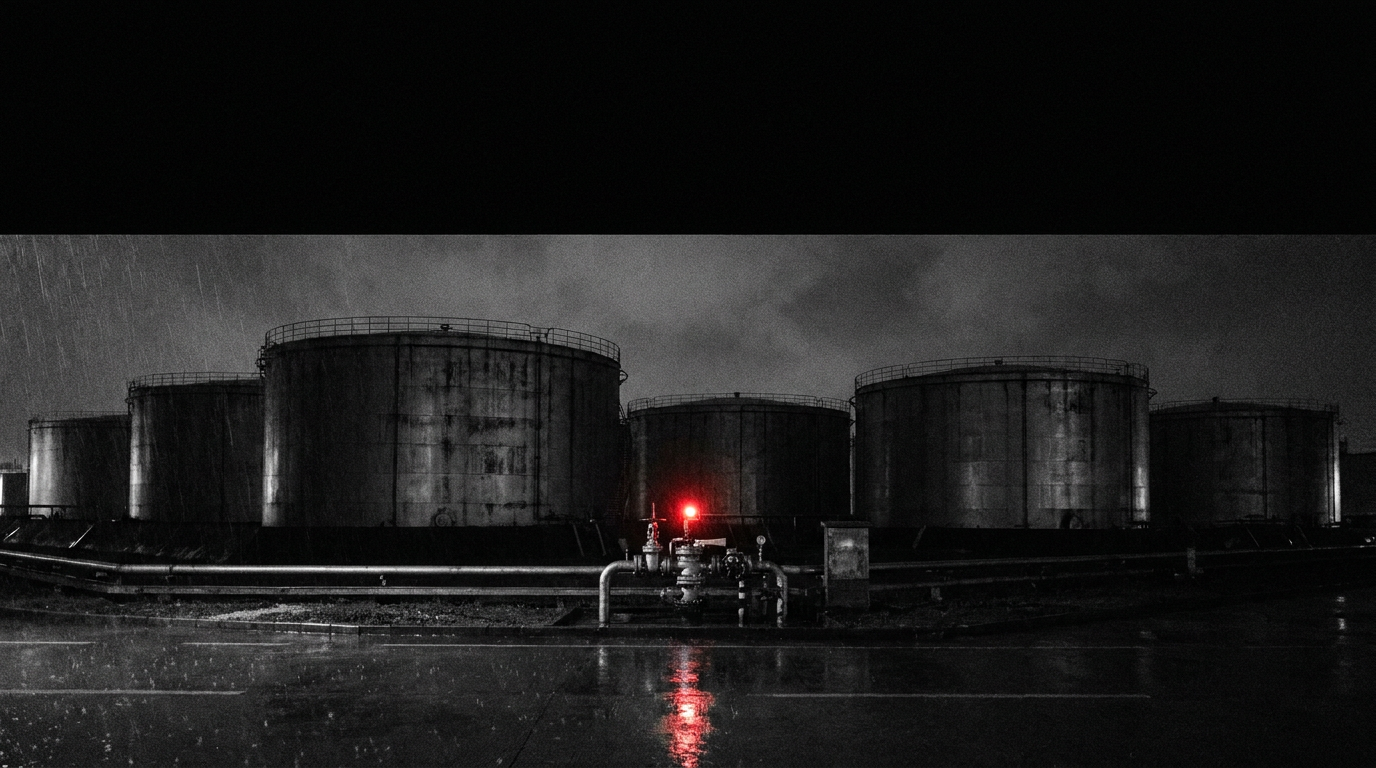
China disclosed talks with Iran's deputy foreign minister before expected US action on Iran sanctions. Beijing's energy exposure is now central.
Beijing said Sunday it hosted the Iranian official last week for discussions linked to the US-Iran war. The disclosure came one day before Washington was expected to present what it has described as “the toughest sanctions in history” against Tehran.
Beijing confirms Tehran meeting
The meeting gives China a direct diplomatic role at a moment when the Trump administration is trying to tighten economic pressure on Iran and its commercial partners. The White House has warned of an “Economic D-Day” for Iran, language that signals a sanctions package designed to reach beyond Tehran itself.
China is exposed through its energy relationship with Iran. The source report described Beijing as a major buyer of Iranian crude, while also saying China has reduced those purchases by nearly 50% since the war began, an adjustment that would lower but not remove its vulnerability to US enforcement.
Beijing has also moved to strengthen domestic energy supplies, according to the account. That shift matters because sanctions pressure works less effectively when a target can replace restricted flows, reroute trade or absorb higher transaction costs.
Oil exposure shapes US leverage
The next test is whether Washington’s measures focus mainly on Iranian entities or reach deeper into the banks, shippers, traders and refiners that keep Iranian oil moving. A narrower package would hit Tehran directly; a wider package would force more foreign companies to choose between Iranian supply and access to US-linked markets.
For China, the oil figure is the anchor. A near-50% reduction in crude imports since the start of the war suggests Beijing has already lowered the volume most likely to draw US scrutiny, though the remaining trade could still carry legal and financial risk if Washington broadens enforcement.
The diplomatic meeting also gives Beijing room to present itself as a manager of spillover rather than a participant in the conflict. Zhao Long of the Shanghai Institutes for International Studies wrote that China is adept at “containing spillover, reducing risks, diversifying dependencies, [and] avoiding strategic entanglement.”
That framing aligns with China’s immediate incentives. It wants to preserve channels with Tehran, avoid a direct collision with Washington and limit energy-market disruption that could raise costs for Chinese consumers and industry.
Sanctions paths narrow choices
If the US sanctions package is broad and enforced against third-country trade, global oil flows could become more fragmented as buyers, insurers and shippers reassess Iranian exposure. The macro effect would run through supply routes and risk premiums rather than Iran alone, with China facing higher compliance costs and the wider energy sector confronting more opaque cargo movements.
If China’s import reduction holds near the reported 50% level, Beijing may be better placed to absorb the first round of pressure. Under that scenario, the larger hit would fall on Iran’s export revenues, while Chinese refiners and energy planners would lean more heavily on alternative supply and domestic output.
If diplomacy produces a narrower enforcement path, China could keep its role as a channel to Tehran without triggering the full cost of secondary sanctions. That would ease immediate macro stress, help Beijing preserve strategic flexibility and give oil traders a clearer boundary for what transactions remain possible.
The main open question is how far Washington is prepared to extend penalties beyond Iran itself. The answer will determine whether the meeting in Beijing becomes a diplomatic footnote or an early marker in a wider contest over energy trade, sanctions enforcement and China’s ability to manage risk without taking on a larger role in the war.