India Boosts Private Sector Missile Manufacturing
India's Defense Ministry approved state missile technology transfer to private firms this Tuesday, aiming for self-reliance and boosting defense exports.
Lauren Collins ·
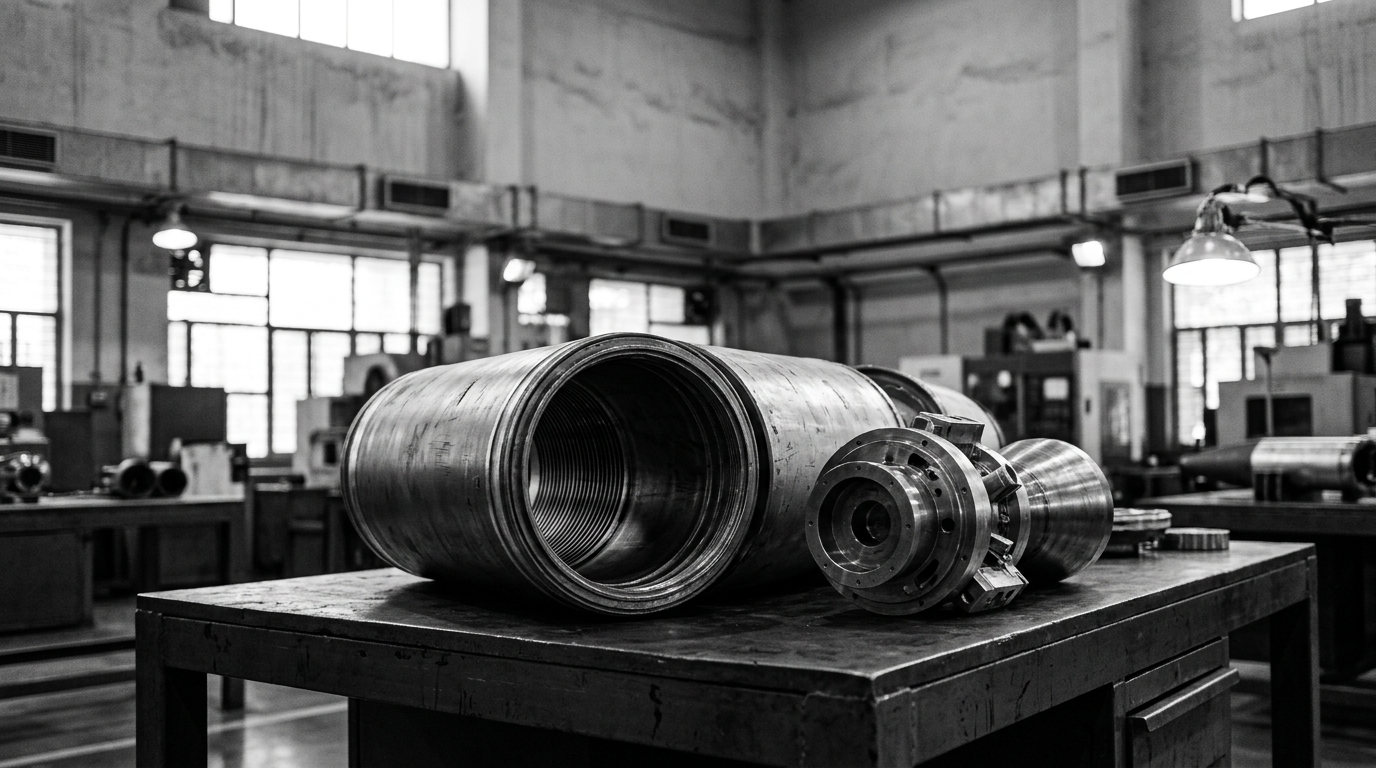
India's Ministry of Defence recently approved the transfer of advanced state-developed missile technology to several domestic private sector companies. This significant policy decision, announced on Tuesday, aims to bolster the nation's indigenous defense manufacturing capabilities and decrease its reliance on foreign suppliers for critical military hardware. The initiative forms a core part of New Delhi's broader 'Aatmanirbharta' (self-reliance) campaign, which seeks to transform India into a significant defense exporter.
This strategic move is expected to not only strengthen the country's defense industrial base but also potentially enhance its deterrence posture against regional geopolitical challenges. By fostering a robust domestic missile production ecosystem, India aims to secure its supply chains and gain greater control over its defense technology landscape.
Overcoming Supply Chain Challenges
Despite the official authorization for technology transfer, the path to full-scale private sector missile production faces considerable operational challenges. A primary concern remains the heavy dependence on imported components within the supply chains for advanced missile systems. This reliance could limit the immediate impact and pace of domestic manufacturing efforts.
Industry analysts have pointed out that Indian private firms currently lack the extensive experience necessary for independently producing complex, integrated missile systems. Successfully integrating sophisticated propulsion, electronics, and software into a cohesive and compact missile unit requires a high level of specialized expertise and established manufacturing processes that are still developing within the private sector.
Long-Term Strategic Objectives
Officials indicated that the transition towards private sector involvement in missile manufacturing is a multi-year objective rather than an immediate overhaul. The ultimate success of this initiative hinges on the effective and seamless integration of critical sub-systems by private contractors. Experts emphasize that missile production is inherently complex, demanding precise synergy among all components.
While the initiative aligns with India's long-term strategic goals for defense self-reliance and boosting its export potential, full-scale production capability by private entities is not anticipated in the immediate future. The government's continued focus on 'Make in India' and 'Aatmanirbhar Bharat' policies underscores a commitment to nurturing a resilient and technologically advanced domestic defense industry over time.
Historical Context of India's Defense Industry
India has historically been one of the world's largest importers of defense equipment. For decades, its military procurement relied heavily on foreign suppliers, particularly from Russia, and more recently from the United States, France, and Israel. The 'Aatmanirbharta' drive, initiated with renewed vigor in recent years, represents a concerted effort to reverse this trend. Previous attempts at defense indigenization have yielded mixed results, often hampered by technological gaps, funding constraints, and complex bureaucratic processes.
This latest policy shift is distinct in its direct empowerment of the private sector with sensitive, state-developed technology, signaling a deeper trust and greater strategic imperative for local production. The move is also seen as a way to create high-skill jobs and attract investment into the defense manufacturing ecosystem, contributing to broader economic growth while enhancing national security.