Indian Tanker Reroutes from Hormuz Strait After Warning
An Indian oil tanker changed course from the southern Strait of Hormuz on Thursday following an Iranian naval warning, raising shipping concerns.
Mateo Fernandez ·
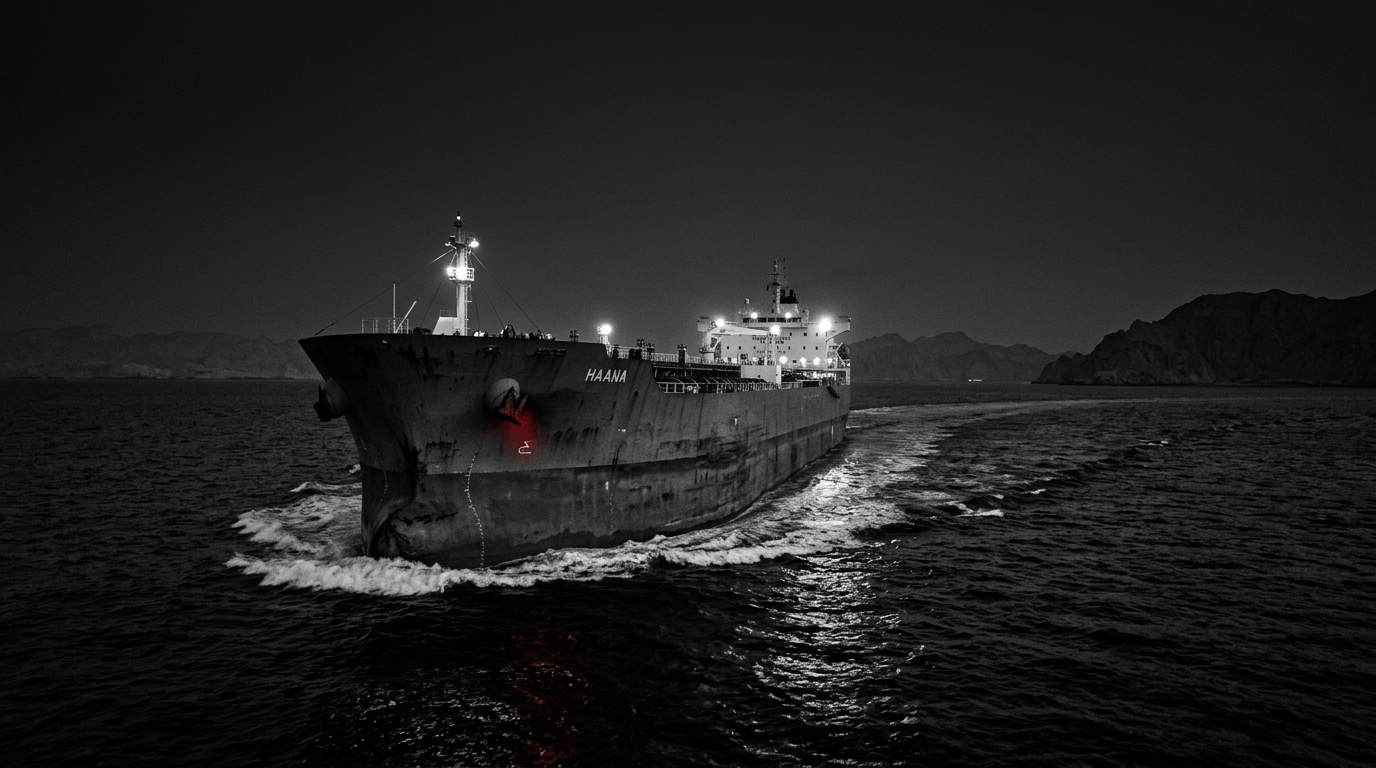
An Indian-flagged oil tanker, the HAANA, altered its trajectory from the southern region of the Strait of Hormuz on Thursday. The rerouting occurred after the vessel reportedly received a warning from an Iranian naval ship. This incident has drawn significant attention to the potential for disruptions within this critical international shipping lane, particularly for the transport of crude oil.
While the immediate financial market impact remains under observation, maritime sector analysts are currently assessing the broader implications for cargo schedules and potential needs for vessel rerouting. The Strait of Hormuz serves as a narrow and vital passage connecting the Persian Gulf with the Gulf of Oman, essential for a substantial portion of the world's total oil supply.
Navigational Concerns and Diplomatic Talks
Officials confirmed that the HAANA reversed its path immediately after the warning was issued. Simultaneously, discussions between Iranian and Omani authorities are reportedly continuing. These dialogues aim to establish clearer protocols for ensuring safe transit through the strategically important strait. Specific details regarding these negotiations, including any timelines or agreed-upon measures, have not yet been publicly disclosed.
Should other commercial ships choose to avoid the southern approach, mirroring the HAANA's action, it could necessitate longer voyages for these vessels. Such diversions would inevitably lead to increased transit times and higher fuel consumption. This, in turn, could contribute to elevated freight and insurance costs, potentially influencing the delivered prices of crude oil across global markets.
Operational Impact on Maritime Industry
The current absence of confirmed and universally recognized navigation protocols introduces an elevated degree of uncertainty for commercial operators actively traversing the region. Shipping companies and international traders typically depend on clear, established guidelines to effectively plan their routes and manage inherent risks. A lack of such clarity mandates a more cautious operational approach, which could result in logistical delays and increased overhead expenses for numerous maritime ventures.
This situation underscores the delicate geopolitical dynamics that surround the Strait of Hormuz. Any perceived threat to the freedom of navigation in this area can swiftly ripple through global energy markets, given its immense strategic significance. The recent event involving the HAANA highlights the continuous necessity for diplomatic resolutions and open communication channels to ensure that maritime trade remains unimpeded.
Anticipated Future Guidance
Maritime authorities and various regional agencies are expected to issue further advisories or updated guidance concerning transit procedures through the strait. Such updates are anticipated by August 28, 2026, and could provide much-needed clarity, establishing standardized operational procedures for all vessels operating within this critical waterway. Until these clarifications are provided, all stakeholders will likely monitor developments closely and adjust their operational strategies as necessary to mitigate potential risks and maintain overall supply chain stability.