Tech Giants Fund AI Data Centers Off
Major tech companies are using over $120 billion in off-balance-sheet financing via SPVs to build AI data centers while retaining capital control.
Atlas Newsdesk ·
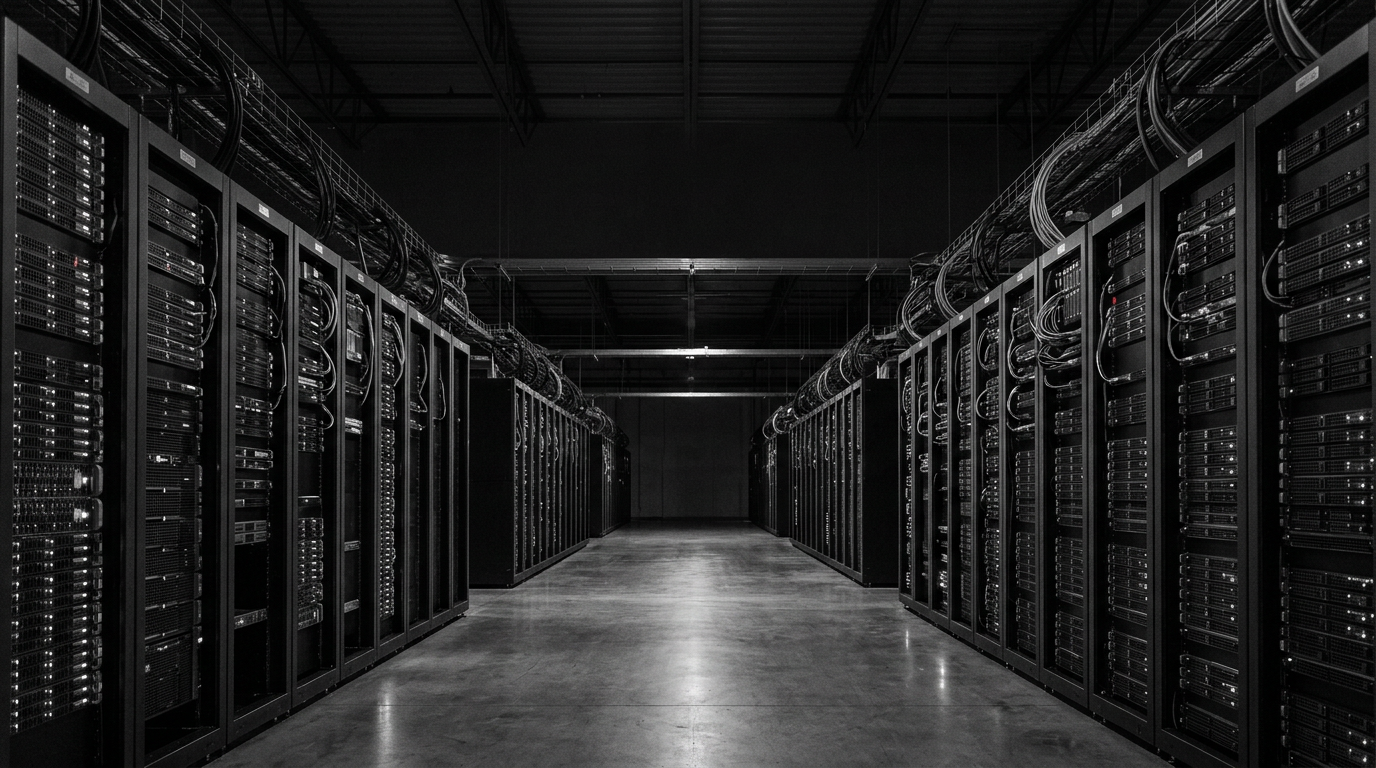
Leading technology corporations are increasingly utilizing off-balance-sheet financing mechanisms to support the development of artificial intelligence (AI) data center infrastructure. This strategic funding approach enables these firms to manage the significant capital requirements associated with constructing and maintaining advanced computing facilities.
Reports indicate that more than $120 billion in capital expenditure has been allocated through special-purpose vehicles (SPVs) for these projects. Such arrangements allow technology companies to secure exclusive operational control over these data centers without fully reflecting the associated debt obligations on their primary financial statements. This funding method has become a prominent trend as the demand for advanced computing power continues to escalate.
Financing Structures and Risk Mitigation
The practice of employing SPVs for infrastructure development financing has drawn scrutiny, particularly concerning transparency and potential systemic financial risks. However, financial analysts distinguish these current methods from past corporate failures linked to similar financing models. A key difference lies in the nature of the underlying assets.
These current investments are backed by tangible assets, which include real estate, essential power infrastructure, and advanced computing hardware. Unlike speculative ventures in research and development, these physical assets are anticipated to retain substantial residual value, even if individual projects do not fully meet initial performance expectations. This asset-backed structure is considered a crucial mitigating factor against complete financial loss.
Market Dynamics and Long-Term Viability
Market data consistently demonstrates that the demand for data center capacity significantly outpaces existing supply. Despite considerable increases in overall capacity, vacancy rates remain at historically low levels, underscoring the robust economic justification for these investments. This sustained demand environment provides a solid foundation for the long-term viability of these data center assets.
Furthermore, regulatory disclosure requirements and the intensity of market scrutiny have substantially increased compared to previous decades. This heightened oversight contributes to a more transparent financial environment for these complex transactions. While individual investment failures are always possible, the distributed nature of capital requirements and risk across a broader investor base, inherent in these financing models, is seen as a structural advantage.
Impact on Technological Advancement
The fundamental structural demand for advanced computing capacity, driven by the rapid expansion of AI and other data-intensive technologies, suggests that these data center assets possess inherent long-term economic viability. These substantial investments are not merely speculative but respond to a clear and growing need for digital infrastructure.
The use of off-balance-sheet methods, while prompting questions about financial reporting clarity, facilitates the efficient allocation of capital to meet this critical demand. This approach helps accelerate the deployment of necessary infrastructure to support global technological advancements, particularly within the highly competitive AI sector, fostering innovation and growth.