Zelenskyy: US Shares Moscow Meeting Details with Kyiv
Ukrainian President Zelenskyy confirmed the US briefed Kyiv on recent Moscow meetings, integrating Washington's Russia channel into Ukraine's security strategy.
Mateo Fernandez ·
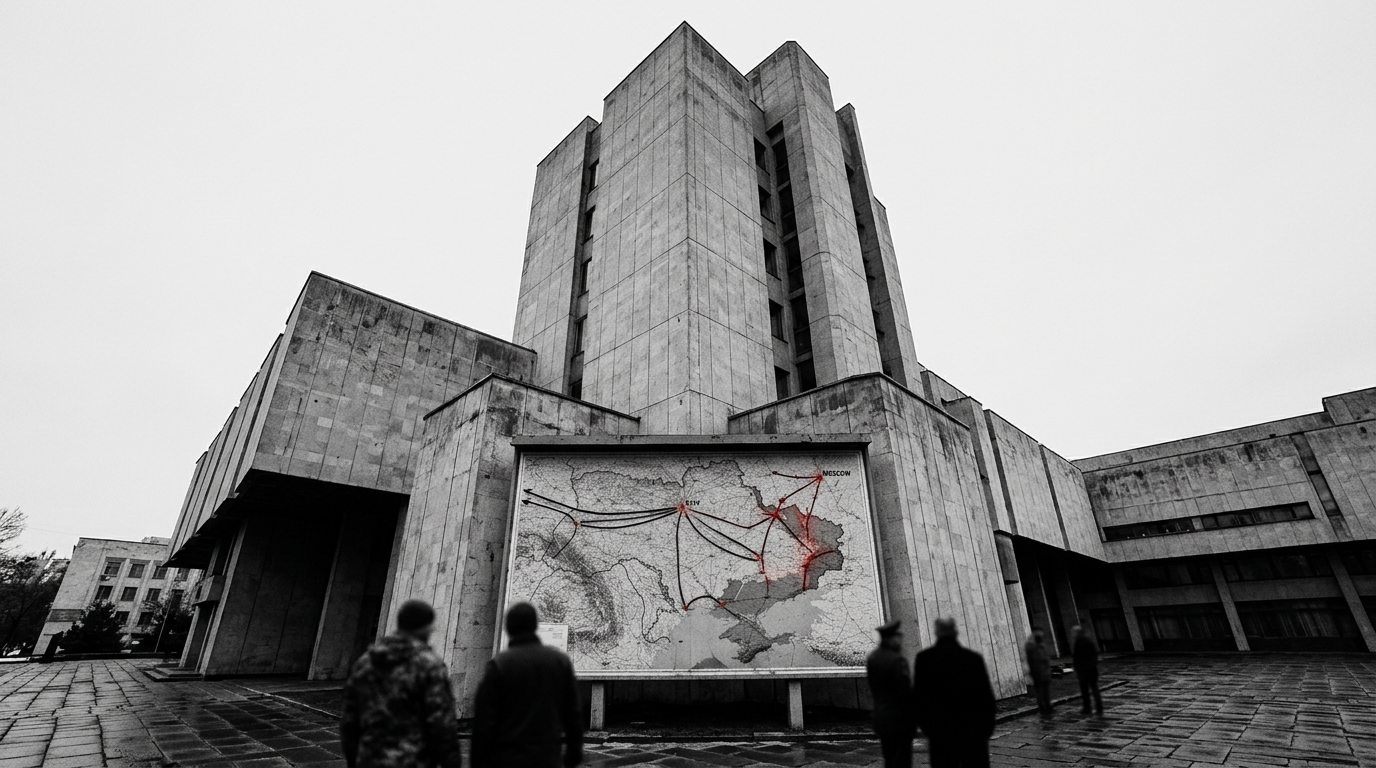
Ukrainian President Volodymyr Zelenskyy announced on Friday that the United States has conveyed details from several recent meetings held in Moscow. This information sharing integrates Washington’s communication channels with Russia directly into Ukraine’s security planning framework, indicating continued close coordination between the two nations.
President Zelenskyy's statement suggests that Kyiv is now receiving at least partial readouts from US contacts with Moscow. However, the public announcement did not specify who participated in these meetings, their exact dates, or the content of Russia's communications. The practical utility of these briefings for Ukraine will depend on whether they included Russian negotiating positions, military warnings, or broader diplomatic messages.
US Intelligence and NATO Deterrence
The shared information reportedly included a warning issued by CIA Director John Ratcliffe to Russia against any aggression toward a NATO member country. This particular detail is significant as it directly links US intelligence messaging to the deterrence efforts of the North Atlantic Treaty Organization. However, the public account did not disclose Russia's response to this specific warning, leaving its immediate impact unclear.
This development unfolds at a critical juncture where any Russian action against a NATO member could escalate the ongoing conflict from a regional security crisis into a full-scale alliance confrontation. The precise implications for international security and stability are closely monitored by global observers.
Market and Geopolitical Considerations
While an immediate market reaction was not reported following Zelenskyy's announcement, the mechanism for financial markets typically revolves around risk premium rather than immediate data points in such scenarios.
If the US warning to Russia is perceived to reduce the risk of escalation, European defense and energy assets might continue to trade based on existing war assumptions. Conversely, if Moscow were to challenge NATO territory, investors would likely reassess energy security, defense spending projections, and demand for safe-haven assets.
This episode highlights the complex interplay between diplomatic exchanges, intelligence operations, and the evolving geopolitical landscape. Future statements from the United States, Ukraine, or NATO within the next 24 hours are expected to clarify whether this event remains a diplomatic warning or signals a broader potential for escalation.
Broader Context of US-Ukraine Relations
The current information exchange reflects a sustained pattern of strategic cooperation between Washington and Kyiv, especially since the full-scale invasion of Ukraine in February 2022. The United States has consistently been a primary provider of military, financial, and humanitarian aid to Ukraine, aiming to bolster its defense capabilities and support its sovereignty. Intelligence sharing has been a cornerstone of this relationship, helping Ukraine to anticipate Russian movements and plan its defensive and counter-offensive operations.
Regular high-level consultations between US and Ukrainian officials underscore the commitment to a coordinated approach in addressing the security challenges posed by Russia. This includes discussions on military aid packages, sanctions against Russia, and diplomatic initiatives aimed at achieving a lasting peace. The sharing of details from Moscow meetings further exemplifies this deep level of strategic alignment, enabling Ukraine to better understand Russia's intentions and adjust its own security posture accordingly.