Albania Protests Escalate Over Luxury Coastal Development
Albania faces ongoing protests over government-backed luxury tourism projects in protected areas, raising concerns about transparency and environmental impact. Demonstrations highlight public dissatisfaction with economic benefits distribution.
Atlas Newsdesk ·
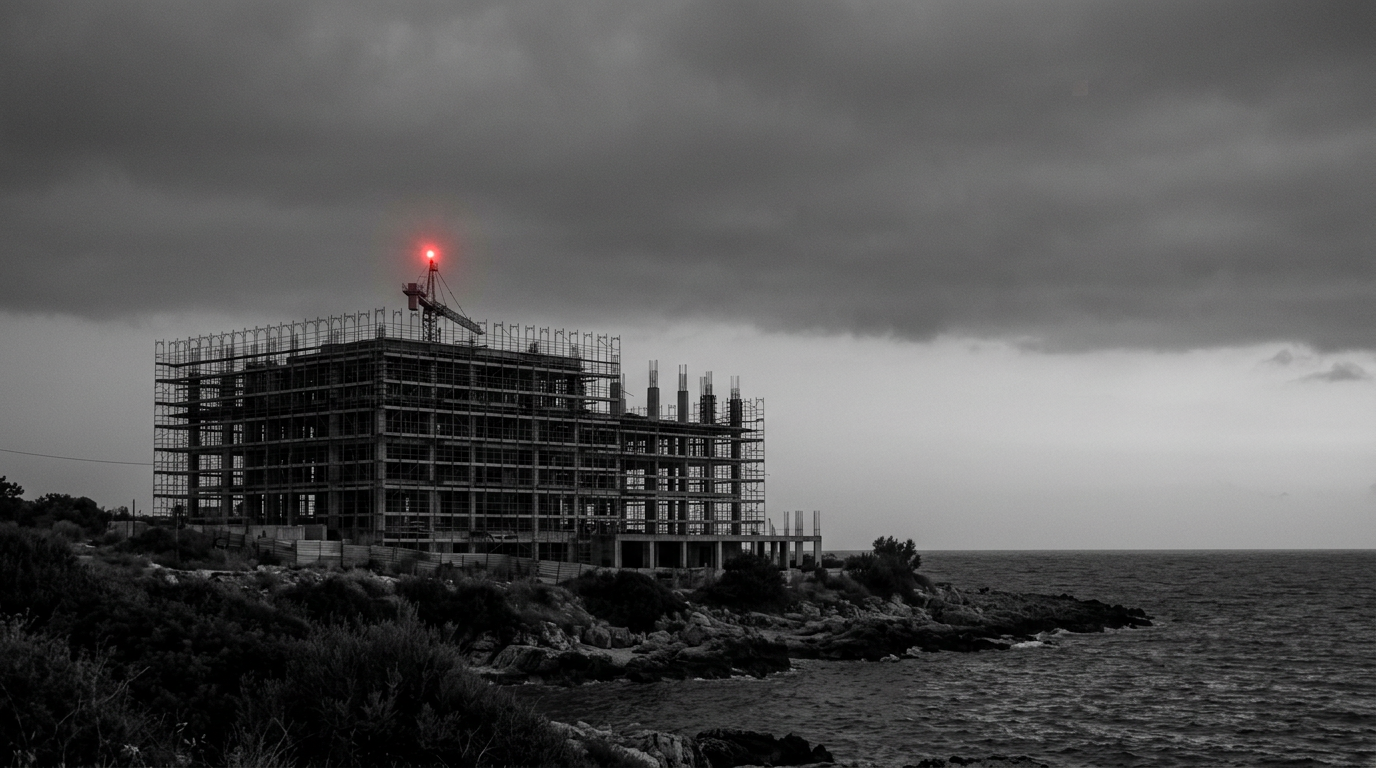
Civil unrest continues in Albania, marking its third consecutive month as citizens protest government policies favoring luxury tourism development. Demonstrators have specifically targeted the granting of special exemptions for foreign-backed projects, particularly those located within ecologically protected zones like Sazan Island and the Pishe Poro-Narta landscape. These ongoing protests underscore a broader public critique regarding the transparency of government operations and the equitable distribution of economic benefits derived from the nation's rapidly expanding tourism industry.
The demonstrations highlight a significant disconnect between the perceived success of the tourism sector and the economic realities faced by many Albanians. While the country has experienced a tripling of foreign visitor arrivals over the past decade, reaching 12.5 million annually, domestic economic indicators show persistent struggles. Albania currently holds the unenviable position as Europe's sixth-poorest nation, fueling public frustration over the allocation of resources and the perceived lack of tangible improvements in local living standards.
Concerns Over Investment Deals and Transparency
Protesters are demanding the resignation of the current administration, citing a pattern of opaque investment deals that they argue disproportionately benefit a select few. The core of their grievance lies in the special concessions granted to foreign developers, which critics contend undermine environmental protections and bypass standard regulatory processes. This perception of favoritism and lack of accountability has solidified public opposition to these projects.
Despite the government characterizing the unrest as politically motivated, the movement has garnered substantial support from a wide array of environmental advocacy groups and anti-corruption organizations. This broad-based backing suggests that the protests are driven by deep-seated concerns over governance, ecological preservation, and economic justice, rather than purely partisan agendas. The sustained nature of the demonstrations indicates a persistent challenge to the government's development strategy.
Potential Risks for International Investors
The continuing instability in Albania presents notable risks for international investors eyeing the nation's burgeoning tourism market. The reputational and operational challenges associated with projects facing strong public opposition and legal scrutiny could deter future investment. Companies considering ventures in Albania's coastal regions must now contend with a heightened level of political and social risk, alongside potential delays and increased operational costs stemming from public pushback and environmental concerns.
The protests draw attention to the delicate balance between economic growth through tourism and the imperative of sustainable development and environmental protection. As the government seeks to further expand its tourism sector, the ongoing public outcry signals a critical need for greater transparency, robust environmental impact assessments, and more inclusive economic strategies that address the concerns of local communities and ensure broader societal benefits.