UK Insurers Face Surge in Subsidence Claims After Heatwaves
British insurers report a sharp rise in property subsidence claims, costing millions, as heatwaves cause soil shrinkage, primarily affecting older homes.
Atlas Newsdesk ·
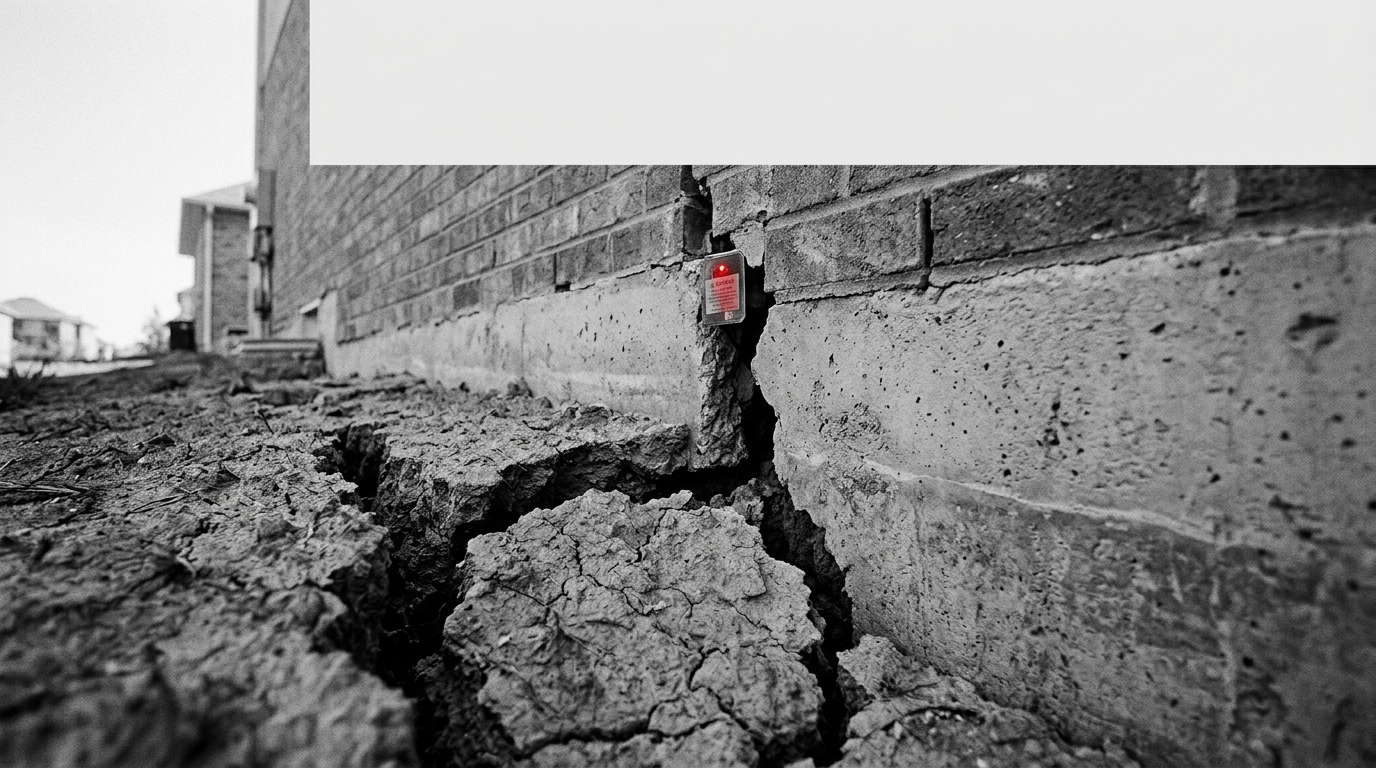
British insurance firms are experiencing a significant uptick in property subsidence claims, an outcome directly linked to recent severe summer temperatures. One major insurer noted a 140% year-over-year increase in claims specifically for August, indicating a broader trend of climate-related structural damage to residential properties across the nation. Areas particularly vulnerable due to their geological makeup include London, Essex, and Kent, along with the extensive corridor extending from Oxford to the Wash. Properties constructed in earlier periods are identified as bearing the highest risk of experiencing foundation shifts, largely due to soil shrinkage, a common effect of prolonged dry spells and consistently high temperatures.
Financial Pressures on Insurers Mount
Real GDP Growth2.1%USA 2026 — IMF (↑ prev: 2.0%)Inflation (CPI)2.4%USA 2026 — IMF (↓ prev: 2.7%)Unemployment Rate4.1%USA 2026 — IMF (↓ prev: 4.2%) The financial ramifications of these claims are substantial for the insurance sector. Between April and June, the average expenditure for a single subsidence claim reached an estimated £20,000. This contributed to total industry payouts of £72 million during that single quarter. Annually, disbursements for domestic subsidence have seen a considerable escalation, marking an 89% increase since 2022. This upward trajectory is placing significant strain on the financial reserves of insurance companies and prompting a re-evaluation of their existing pricing models. Insurers anticipate that the volume of these claims will likely remain elevated through October, with a critical factor for mitigation being the return of sustained rainfall, essential for replenishing soil moisture levels and stabilizing ground conditions. Adapting to Climate-Related Structural Risks Insurance providers are actively reviewing their exposure to such risks and adjusting their underwriting strategies. This proactive approach aims to better account for the increasing frequency and intensity of extreme weather events, which are increasingly linked to shifts in global climate patterns. The rise in subsidence claims highlights a broader challenge where environmental changes directly affect physical infrastructure and financial industries. Subsidence, frequently exacerbated by prolonged dry spells, involves the downward movement of ground beneath a structure, leading to cracks in walls and foundations.
This phenomenon is particularly severe in areas with clay soils, which expand when wet and contract significantly when dry, creating instability for buildings constructed upon them. Historically, subsidence claims in the UK have exhibited seasonal patterns, typically peaking after dry summers. However, the intensity and duration of recent heatwaves suggest that these are not merely cyclical fluctuations but potentially represent a new baseline. This trend necessitates long-term strategic adjustments across the insurance market, potentially leading to revised policy terms, higher premiums, or changes in how properties in high-risk zones are insured. The industry is exploring advanced analytical tools and geological surveys to enhance the prediction and mitigation of future risks, safeguarding against the escalating costs of climate-related damage.
Long-Term Climate Impact and Industry Adjustments
The observed increase in subsidence claims underscores the growing economic consequences of a changing climate. As weather patterns become more unpredictable and extreme, sectors like insurance, construction, and property management face an urgent need to adapt. The emphasis on mitigating these risks through scientific modeling and revised policies reflects a broader industry movement towards climate resilience. Homeowners, particularly those with older properties in identified vulnerable regions, may see evolving insurance market conditions, including potential adjustments to coverage options and pricing. The ongoing assessment by insurers aims to balance financial viability with providing essential protection against an increasing array of environmental challenges.