Trump weighs Canada tariffs with import bans on the table
Canada tariffs could expand under Section 338 as Ottawa matches US levies and President Trump threatens 50% duties on steel and autos.
Atlas Newsdesk ·
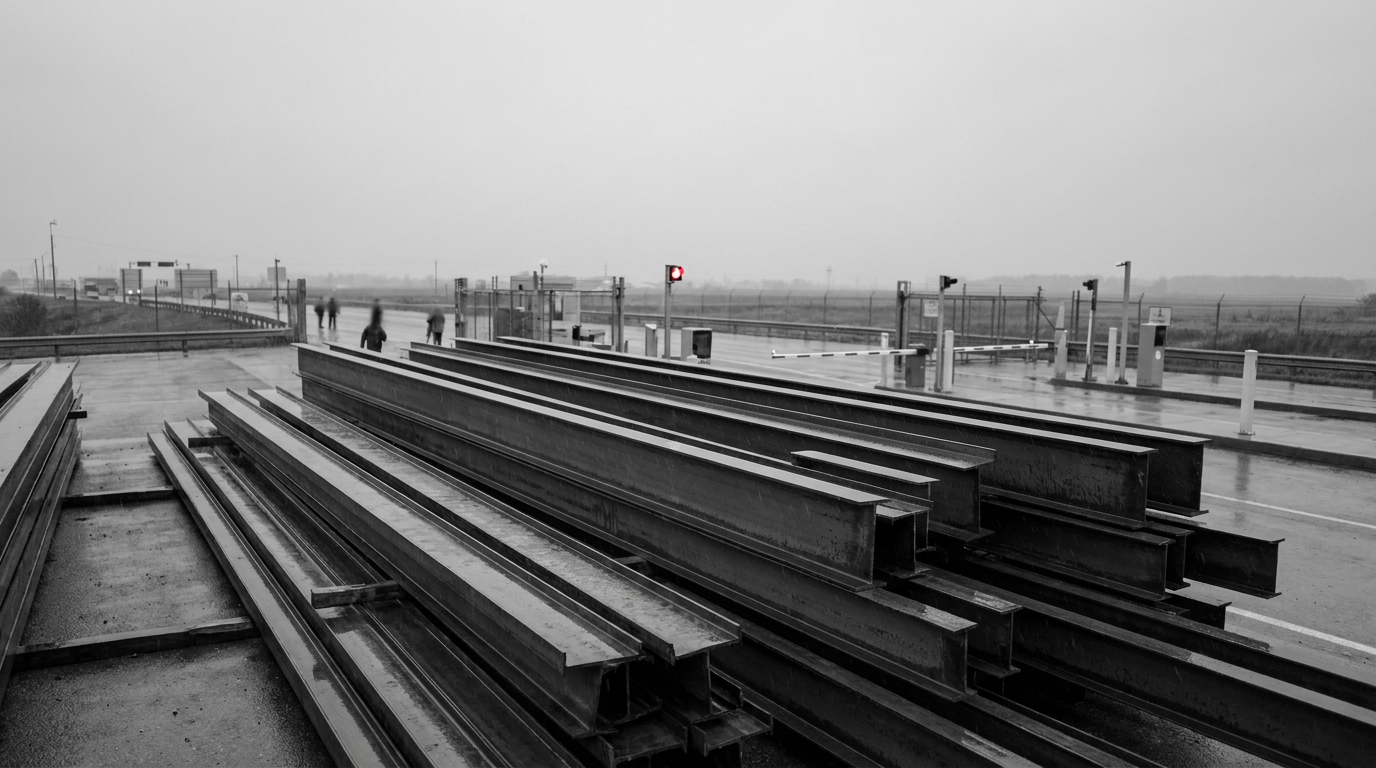
Canada tariffs may rise to 50% from Jan. 1 as President Trump weighs import bans if Ottawa expands retaliation, a US official said.
Ottawa matches US levies
Canada said earlier this week it would answer the White House’s latest levies with matching measures. The move followed talks that broke down last week and pushed the dispute between two closely linked economies into a more formal cycle of retaliation.
The US official said further Canadian action would give Washington a basis to use Section 338 for another tariff round. The official also said the same authority could be used to block selected Canadian goods from entering the US.
Section 338 enters dispute
President Trump has already pledged to raise tariffs on Canadian steel, trucks, cars and auto parts to 50% beginning Jan. 1. That would put the largest stated figure in the dispute on products that sit near the center of North American manufacturing.
The account of the import-ban review rests on one US official, and the White House has not released a public list of targeted goods. That limits what can be stated about timing, exemptions or the products most exposed beyond the sectors named by Trump.
Supply chains frame choices
The official said the administration is examining Canadian imports to identify bans that would not disrupt US supply chains. That criterion matters because autos, steel and parts often move across the border before reaching a finished product.
For companies, the immediate exposure sits with Canadian exporters and US buyers tied to any product line Washington selects. With no individual company named in the material, the firm-level effect would depend on whether the final measure lands on raw materials, finished vehicles, components or a narrower category.
A tariff raises the cost of a covered import while still allowing the good to move. A prohibition is a different tool: it can force buyers to find substitute supply, delay production schedules or leave contracts exposed if replacement goods are not available on the same terms.
Jan. 1 scenarios narrow
If Canada does not escalate beyond its matching levies, the scheduled 50% tariffs would remain the central pressure point. In that path, the global macro effect would run through higher cross-border goods costs, the company effect through margin pressure or pass-through pricing, and the sector effect through slower procurement decisions in autos and metals.
If Ottawa adds another retaliatory step, the US official said Washington could invoke Section 338 for new tariffs or import bans. That path would raise the macro risk from price effects to physical supply disruption, leave exposed firms managing substitute sourcing, and push the wider manufacturing sector to reassess North American production flows.
If the White House uses a narrow list after its supply-chain review, the economic hit would be more concentrated. The key open question is whether the administration can choose targets that create negotiating leverage against Canada without cutting into inputs US producers need before Jan. 1.