Trump Suggests Potential Strike on Iran's Pickaxe Mountain
President Trump's September 4 remarks about a possible strike on Iran's Pickaxe Mountain highlight operational risks near the Natanz nuclear facility, potentially impacting global markets.
Mateo Fernandez ·
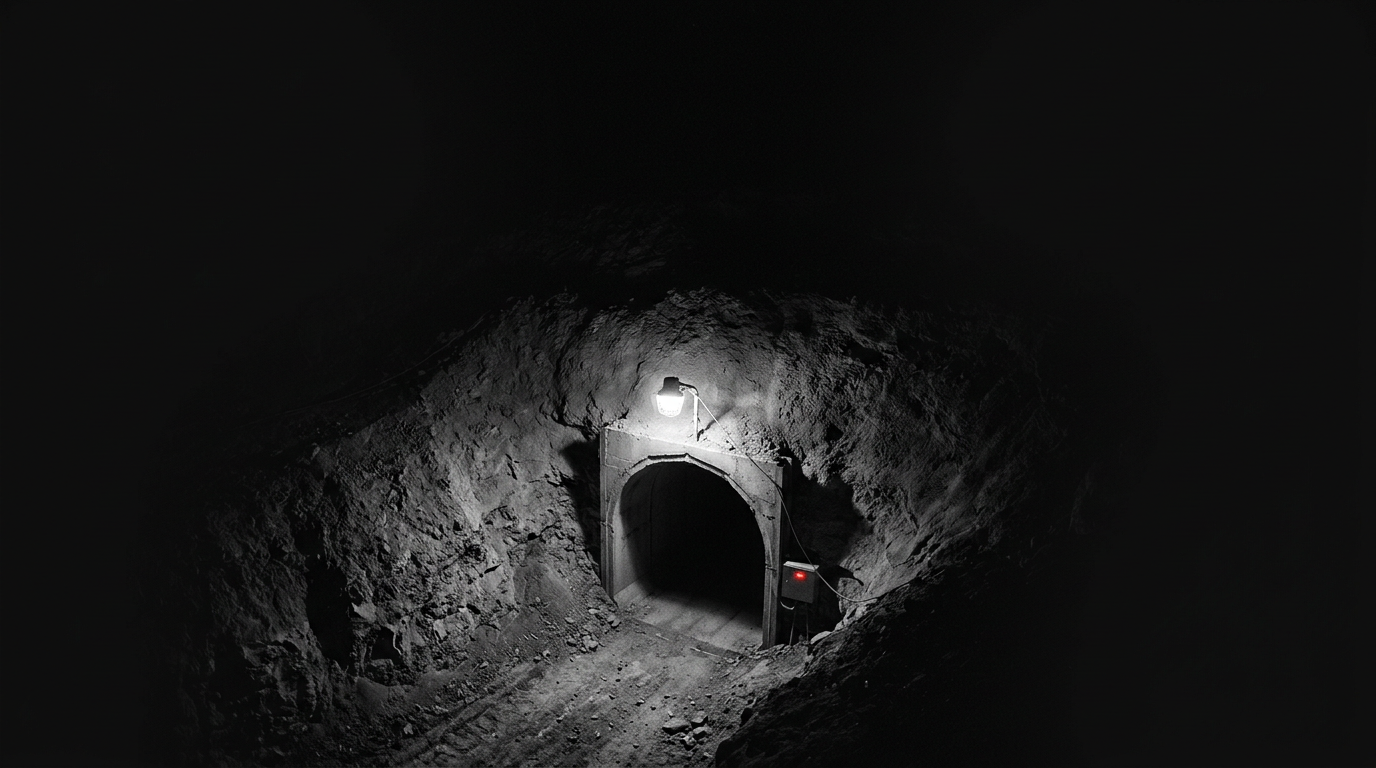
On September 4, President Trump indicated the United States might target Iran’s Pickaxe Mountain. This statement has brought renewed attention to a fortified location situated close to Iran's Natanz nuclear facility, re-emphasizing its significance in discussions surrounding Iranian risk in financial markets. The prospect of direct military action by the U.S. against an Iranian site associated with nuclear activities could transform the situation from rhetorical pressure into concrete operational risk for international markets.
Financial markets are anticipated to react to such developments. Key assets to monitor initially include oil prices, safe-haven currencies, shares in the defense sector, and regional credit instruments, particularly as Asian markets commence trading. The mention of Pickaxe Mountain carries considerable weight due to its proximity to Natanz, which is a crucial uranium enrichment facility in Iran, and the confirmed presence of deeply buried tunnel complexes within the mountain itself.
Strategic Significance of Natanz Region
The geographical context of Pickaxe Mountain, located near Natanz, elevates any threatened strike beyond a simple bilateral military issue. The Natanz facility has historically been a focal point of contention regarding Iran's nuclear capabilities and international endeavors to restrict them. This particular area represents a critical point of dispute in geopolitical conversations surrounding Iran's atomic program and its regional implications.
The immediate uncertainty following President Trump's statement centers on its underlying intention. It remains unclear whether the remark is intended to signal active military planning, to exert public pressure on Tehran, or to serve as a warning aimed at influencing ongoing diplomatic negotiations. Officials have not provided specific details concerning a potential target list, an operational timeline, or assessments of possible damage.
Potential Market Repercussions
Should the White House or the Pentagon confirm any preparations for such an action, the macroeconomic impact would likely manifest through several channels. These include increased energy risk premiums, higher shipping insurance costs, and a surge in demand for traditional safe-haven assets. For Iran, the implications directly affect its state nuclear program and its broader security apparatus.
More broadly, oil producers, defense contractors, and regional airlines would likely experience the most direct transmission channels of any escalation. If no further official confirmation or clarification emerges regarding the statement, markets may predominantly interpret the comment as a form of coercive language, unless Iranian officials respond with military or nuclear counter-measures.
A key short-term indicator for observation is whether U.S. or Iranian officials issue any clarifying statements before 19:32 UTC on September 5, marking 24 hours after the initial remarks were made. This period is crucial for understanding the immediate diplomatic and market responses to the President's pronouncement.