Trump midterm convention exposes GOP's cost gap in Dallas
Trump midterm convention closed with Republicans confronting cost-focused voters, a $1.2 trillion pledge and the risk of divided government after Nov. 3.
Lauren Collins ·
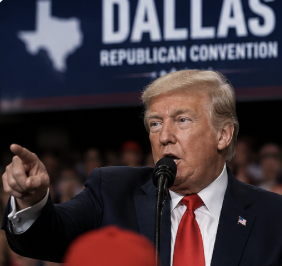
Trump midterm convention closed in Dallas with Republicans facing Nov. 3 elections that could limit President Trump’s agenda and authority.
Dallas pitch skips kitchen costs
The two-day gathering was built to energize Trump’s base and draw donor support before the final campaign stretch. Speakers cast Democrats as socialists and described the Republican Party as the side of common sense.
The program gave less attention to gasoline prices, food costs and mortgage rates, even as those issues remain central for voters. That choice left the party leaning on cultural and ideological contrasts while the electorate is still measuring household budgets.
For Trump, the convention did not change the basic midterm equation. He entered Dallas facing difficult November elections and left with the same question over how much his personal political force can transfer to candidates whose names, not his, will appear on the ballot.
A $1.2 trillion pledge
Trump asked supporters to behave as though he were running himself, a familiar test of whether his turnout model can work without him formally leading the ticket. “When I’m on the ticket, everyone comes to vote,” he said in closing remarks Thursday.
He also promised $5,000 payments to Americans if Republicans keep control of Congress. The proposal carried a stated cost of $1.2 trillion, and skepticism came from both parties over how such a commitment would be paid for or passed.
The pledge gave the convention a concrete offer, but it also put fiscal arithmetic into the campaign. A benefit large enough to be memorable for voters would require congressional action, budget room and a Republican conference willing to defend the cost.
Trump’s foreign-policy message added another pressure point. He urged patience with an Iran war that he had once said would end within weeks, shifting the emphasis from quick resolution to endurance as voters prepare to judge the party in power.
Vance keynote raises 2028 shadow
Vice President JD Vance delivered the keynote address before Trump closed the convention, placing the administration’s present and possible future on the same stage. Trump is 80 and has more than two years left in his term, but the 2028 race is already part of the political background.
That timing matters inside the administration as much as it does on the campaign trail. If Republicans struggle in November, future presidential maneuvering could sharpen tensions among officials who need Trump’s support now but may compete for his coalition later.
The convention’s structure showed the party’s dependence on Trump even when he is not on the ballot. Vance gave the forward-looking address, but Trump remained the figure asked to turn attention, money and turnout toward the midterm map.
Democratic wins narrow leverage
If Democrats take at least one chamber of Congress, Trump would retain veto power but lose much of his ability to move legislation on Republican terms. Committee investigations could also draw time and attention from White House aides and members of his family.
Trump described that kind of defensive posture in a televised interview Thursday. “I’ll block all their bad stuff for two years. It won’t be the same, but I’ll be a blocker,” he said.
If Republicans hold Congress, the administration would have a clearer route to pursue tax, spending and oversight priorities. The $5,000 payment proposal would then become more than a rally line, forcing lawmakers to decide whether the political appeal justifies the fiscal cost.
The industry implications run through campaigns, donors and policy planning rather than a single company. Republican candidates gain from Trump’s base appeal if his voters turn out, while Democrats benefit if the campaign remains centered on living costs and governing fatigue.
The macro link is the size of the promised transfer and the consequences of divided government. A $1.2 trillion proposal would put budget trade-offs in front of Congress, while a Democratic chamber would likely slow major legislation and shift Washington toward investigations and veto fights.
The next measure is whether Trump’s closing request changes turnout in races where he is absent from the ballot. If his voters respond, Republicans preserve governing space; if they do not, the final two years of his term become more defensive and the 2028 contest begins under weaker conditions.