US Removes Syria from Terrorism Sponsor List
The U.S. has removed Syria from its state sponsor of terrorism list, aiming to boost post-war economic rebuilding and international engagement.
Atlas Newsdesk ·
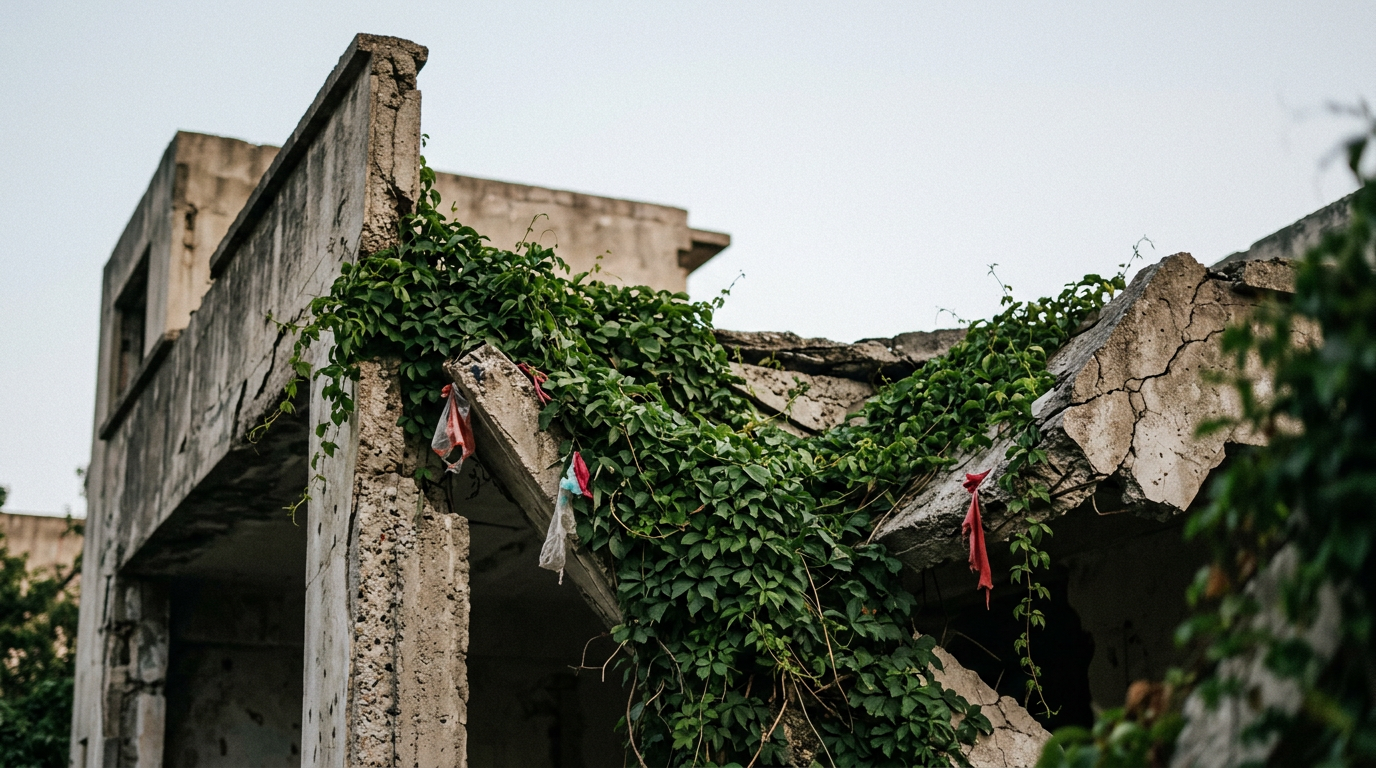
The United States government officially announced on Monday the removal of Syria from its list of state sponsors of terrorism. This significant policy adjustment aims to bolster the nation's post-conflict economic recovery, following the change in regime in 2024. Syrian President Ahmed al-Sharaa publicly welcomed the decision, characterizing it as a pivotal step to end the country's international isolation and foster development efforts.
The previous designation, in place since 1979, had imposed severe economic restrictions. These measures significantly impeded foreign investment and general economic activity, contributing to substantial economic hardship and hindering development initiatives over decades.
Facilitating Economic Recovery and Stability
U.S. Treasury Secretary Scott Bessent indicated that the policy shift is intended to promote both political and economic stability within Syria. Concurrently, Secretary of State Marco Rubio emphasized that this removal eliminates existing impediments for private sector involvement in the Syrian economy. This move is broadly anticipated to unlock considerable investment prospects.
Syria faces immense reconstruction requirements, with World Bank estimates suggesting comprehensive rebuilding efforts will demand over $216 billion. Lifting the terrorism designation is expected to streamline the flow of international aid and private capital, which are crucial for addressing these extensive needs.
Regional Response and Diplomatic Expansion
Several regional nations, including Turkiye, Qatar, Jordan, and Saudi Arabia, issued statements supporting the U.S. decision. They view this change as a potential catalyst for improved regional security and a more stable political resolution across the broader Middle East. This regional endorsement highlights the potential for wider diplomatic engagement.
In response to the policy adjustment, Syrian authorities disclosed plans to expand their diplomatic outreach. They also announced the introduction of new direct flight routes to European capitals, specifically Copenhagen and Vienna, with services scheduled to commence on September 21. These air links signify a tangible step towards reintegrating Syria into the global community.
Continued Accountability Measures
Despite the removal of the state sponsor of terrorism designation, the U.S. Treasury reiterated its commitment to holding individual actors within Syria accountable for any future security concerns. This position indicates a nuanced approach, distinguishing the state's official designation from the actions of specific individuals or entities. The U.S. government is expected to maintain vigilance regarding potential threats, even while facilitating broader economic engagement.
The original designation in 1979 was part of a broader U.S. foreign policy framework designed to isolate governments perceived as supporting international terrorism. Over many years, it expanded to include various countries, imposing a range of sanctions from restrictions on foreign aid and arms sales to export controls and financial prohibitions. For Syria, this designation profoundly impacted its capacity to secure international loans, attract foreign direct investment, and participate in global financial systems.