SpaceX Louisiana site anchors $100 billion Starbase plan
SpaceX plans a $100 billion Louisiana Starbase for Starship launches, while state estimates point to 3,000 direct jobs over 10 years.
Atlas Newsdesk ·
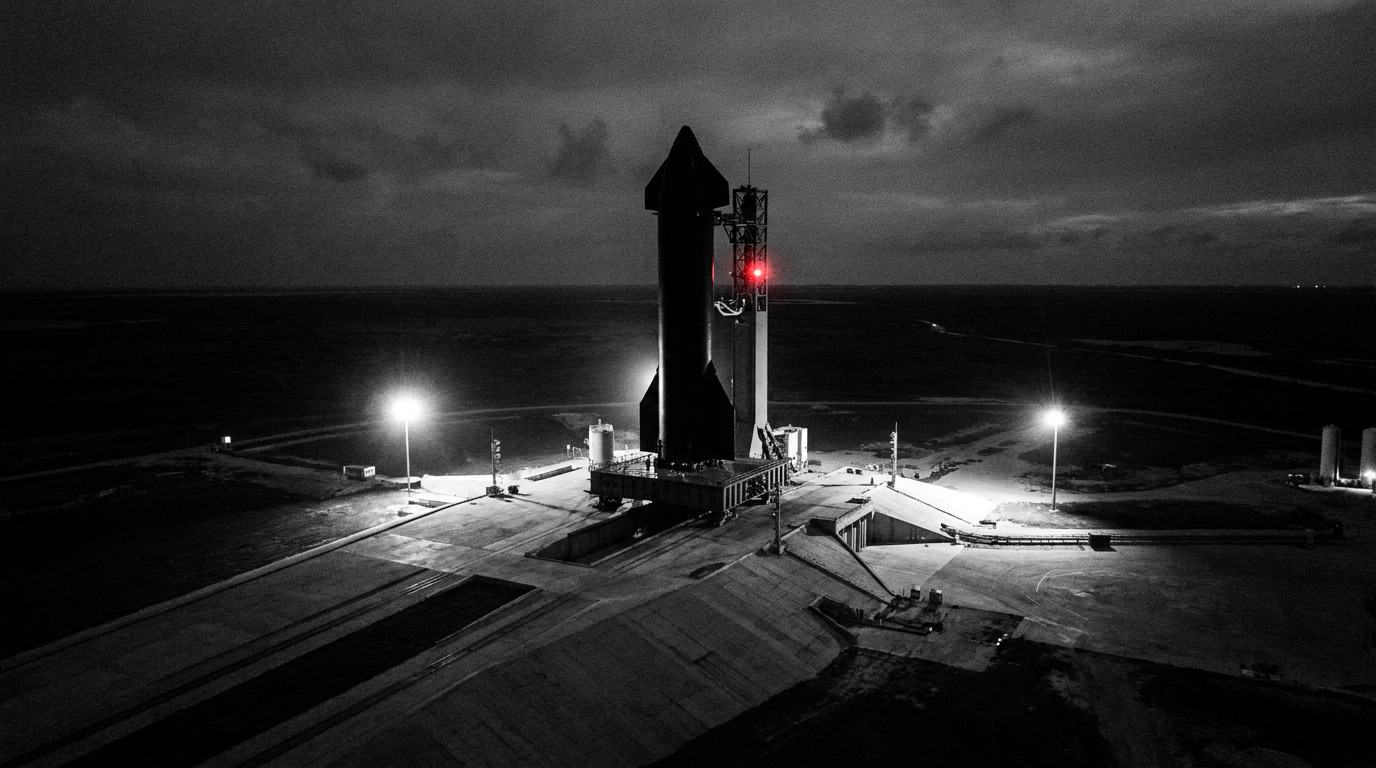
SpaceX Louisiana launch facility plans call for a $100 billion Starship site in Vermilion Parish, with state officials citing thousands of jobs.
The Louisiana Economic Development office said Tuesday that SpaceX intends to build the facility on a former Exxon property. The state and company framed the project as a launch base for Starship, the reusable rocket system central to Elon Musk's satellite, data-center and Mars ambitions.
Vermilion Parish gets Starbase
The planned site, called Starbase, LA, would support Starship operations and, according to the joint statement, “support thousands of launches annually.” SpaceX said in a video posted on its website that its search for a location with launch-pad space and fuel access took about seven years.
Musk said in the video that the project would bring “probably 10,000 really exciting jobs” to Louisiana. A state fact sheet gave a lower direct estimate: 3,000 new SpaceX jobs over the next 10 years, alongside 8,100 indirect jobs tied to the project.
The $100 billion figure makes the Louisiana proposal one of the largest industrial projects attached to the commercial space sector in the Southern U.S. The state did not give a construction timetable in the supplied material, leaving the pace of investment tied to permitting, site preparation and Starship's development schedule.
Starship drives Musk's timetable
Starship is SpaceX's largest rocket system and is designed to be fully reusable, a feature the company says is needed to lower the cost of high-frequency launches. The Louisiana site would become the main launch facility for Starship once built, according to the state announcement.
The project links directly to SpaceX's broader business case. Starship is intended to expand the Starlink satellite network, carry large payloads for orbital infrastructure and serve the company's longer-term plan for missions beyond Earth orbit.
That makes launch cadence the operational hinge. If Starship can fly often and be reused as designed, SpaceX gains more capacity for satellites and heavy cargo; if testing or infrastructure lags, the Louisiana asset becomes a longer-dated bet rather than near-term launch capacity.
Landry laws reshape review
Gov. Jeff Landry signed aerospace measures that became law in May, including provisions that exempt some aerospace projects from public review. The laws also made unauthorized entry into a spaceport a felony and offered financial incentives for aerospace manufacturers.
Those measures give Louisiana a clearer legal framework for attracting large space projects. They also narrow parts of the public-review process at a time when launch sites bring concerns over land use, coastal exposure, wildlife and access restrictions.
SpaceX said it would work with Louisiana on what it called a “historic coastal restoration” effort near the facility. The company said the work would seek to “bring the marsh back” and improve storm protection around the wetlands surrounding the planned site.
Boca Chica record follows Musk
The Louisiana project arrives after SpaceX's first Starbase in Boca Chica, Texas, drew community opposition, lawsuits and fines tied to environmental violations. That record gives the Vermilion Parish plan an early test beyond construction cost and launch technology.
During Starship's first test flight in April 2023, energy from the rocket damaged the concrete launchpad and the spacecraft exploded in midair. Debris reached a nesting and migration area used by endangered species, and a fire burned about 4 acres of Boca Chica State Park land south of the launchpad.
If the Louisiana restoration plan and state approvals hold, the project would add Gulf Coast capital spending, give SpaceX a second major Starship base and deepen the region's aerospace supply chain. The mechanism would be straightforward: more infrastructure, more launches and more demand for specialized labor, fuel logistics and coastal engineering.
If environmental, legal or technical constraints slow the buildout, SpaceX would have to rely longer on existing launch infrastructure while carrying a larger fixed-investment burden. For the wider space industry, that path would keep heavy-lift launch capacity tighter and leave satellite operators more exposed to delays in reusable-rocket supply.