Russia Romania tensions rise over planned Moscow summons
Russia Romania tensions rose after a report said Moscow would summon Romania’s chargé d’affaires over a drone-linked diplomatic dispute.
Atlas Newsdesk ·
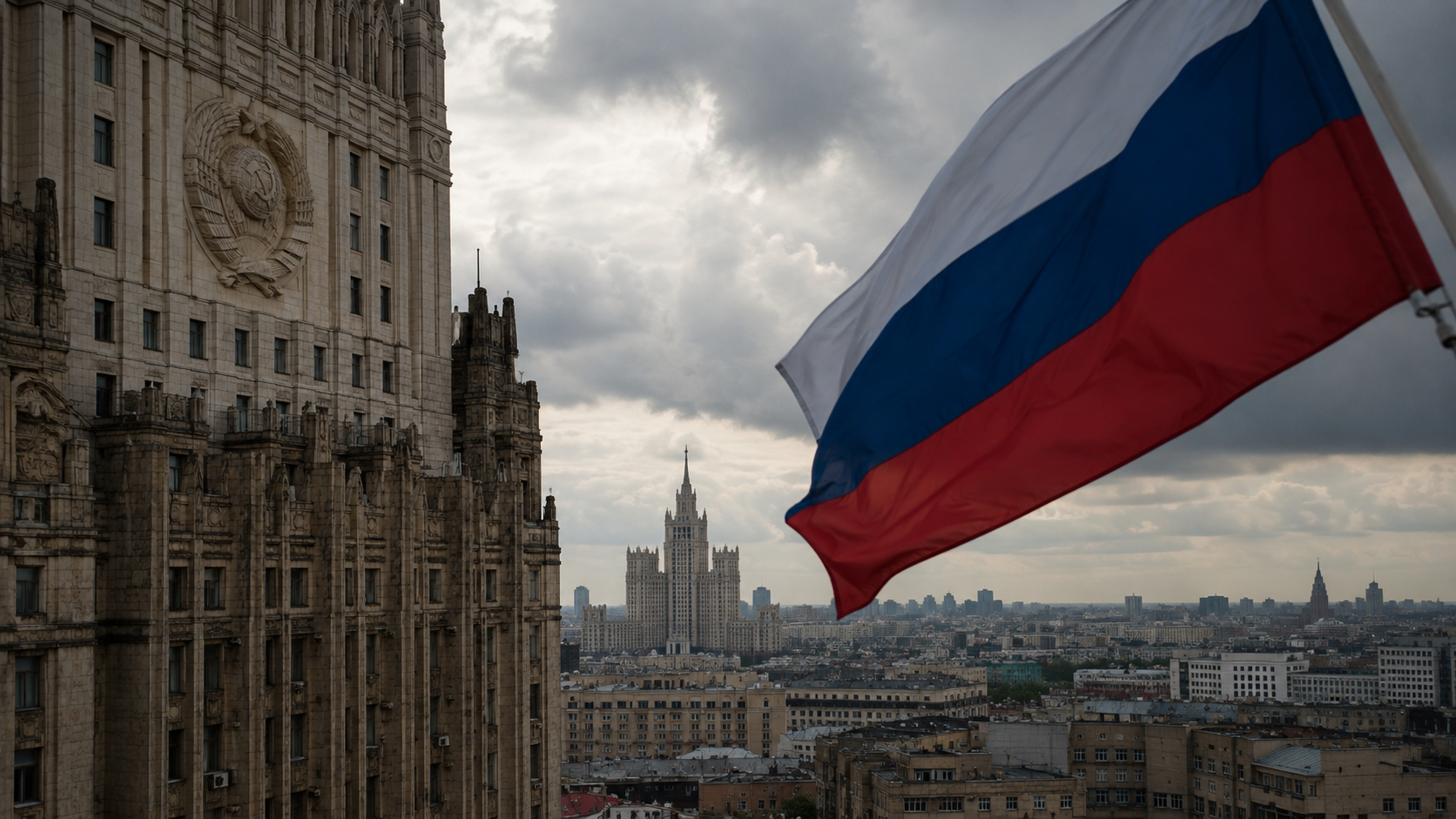
Russia Romania tensions deepened as Moscow prepared to summon Romania’s chargé d’affaires, one month after Bucharest expelled a Russian diplomat over drones.
A Russian media report said Liliana Burda was expected to be called to the Foreign Ministry in Moscow on Thursday. Russia’s Foreign Ministry had not publicly confirmed the planned summons or given a reason for it.
The timing places the reported move inside a dispute that has moved from border security to formal diplomatic retaliation. Bucharest declared a Russian diplomat persona non grata in late July after what it described as repeated drone incursions into Romanian airspace.
Moscow signal meets Bucharest protest
Romania’s foreign ministry also recalled its ambassador to Russia for consultations at the time, a step governments use to review policy and signal displeasure without severing ties. The ministry summoned Russia’s ambassador in Bucharest, Vladimir Lipayev, and showed him fragments of a drone destroyed on Romanian territory.
Romania’s ministry said on July 27, "The Romanian side expressed its firm protest against these illegal and irresponsible actions and made clear where responsibility lies." It added that Russia’s violation of Romanian airspace was "absolutely unacceptable and intolerable."
Moscow’s reported summons would be consistent with its earlier statement that it would retaliate against Bucharest’s expulsion decision. The available information does not show whether the meeting would involve a reciprocal expulsion, a formal protest note, or another diplomatic measure.
Three drones sharpen border risk
The Romanian military said three drones described as Russian-origin were shot down between July 24 and July 26. Those incidents gave Bucharest a concrete basis for its protest and turned a recurring airspace complaint into a diplomatic exchange with named officials on both sides.
Romania shares a border with Ukraine and has reported multiple airspace breaches since Russia’s 2022 invasion. Each new incident forces Romanian authorities to balance military readiness, evidence collection and diplomatic signaling while avoiding steps that would widen the confrontation beyond the border area.
The dispute also affects the operational environment for governments and industries exposed to the western edge of the war. Civil aviation, cross-border logistics and insurers price risk partly through the frequency of incursions, the reliability of air-defense responses and the clarity of official communication after each event.
Scenarios turn on drone frequency
If the Moscow summons ends with a protest note and no further personnel action, the immediate macro effect would likely remain confined to political risk around the Ukraine war. Romania would still face pressure to document airspace incidents, while regional transport and insurance firms would monitor whether drone debris or shootdowns become more frequent.
If Russia responds by expelling a Romanian diplomat, the dispute would move into a more formal tit-for-tat cycle. That would increase the burden on Romania’s diplomatic channels in Moscow and could make coordination on border incidents slower, while companies operating near the frontier would have less confidence that military and diplomatic de-escalation tracks are functioning smoothly.
If drone incursions continue at the July pace cited by Romania, the global effect would come through security premiums rather than trade volumes alone. Romania would need to allocate more attention to air-defense readiness, and the wider aviation, logistics and insurance sectors would have to treat the border zone as a recurring operational risk rather than an isolated incident.
The main open question is whether Thursday’s reported summons produces a public Russian explanation or a reciprocal measure. The answer will determine whether the dispute remains a controlled diplomatic exchange or becomes another pressure point along Ukraine’s western border.