US Intensifies Iran Sanctions, Scrutinizing China Trade
The US has launched new economic sanctions targeting Iran, warning nations and firms supporting Tehran, with China's trade now under intense scrutiny.
Mateo Fernandez ·
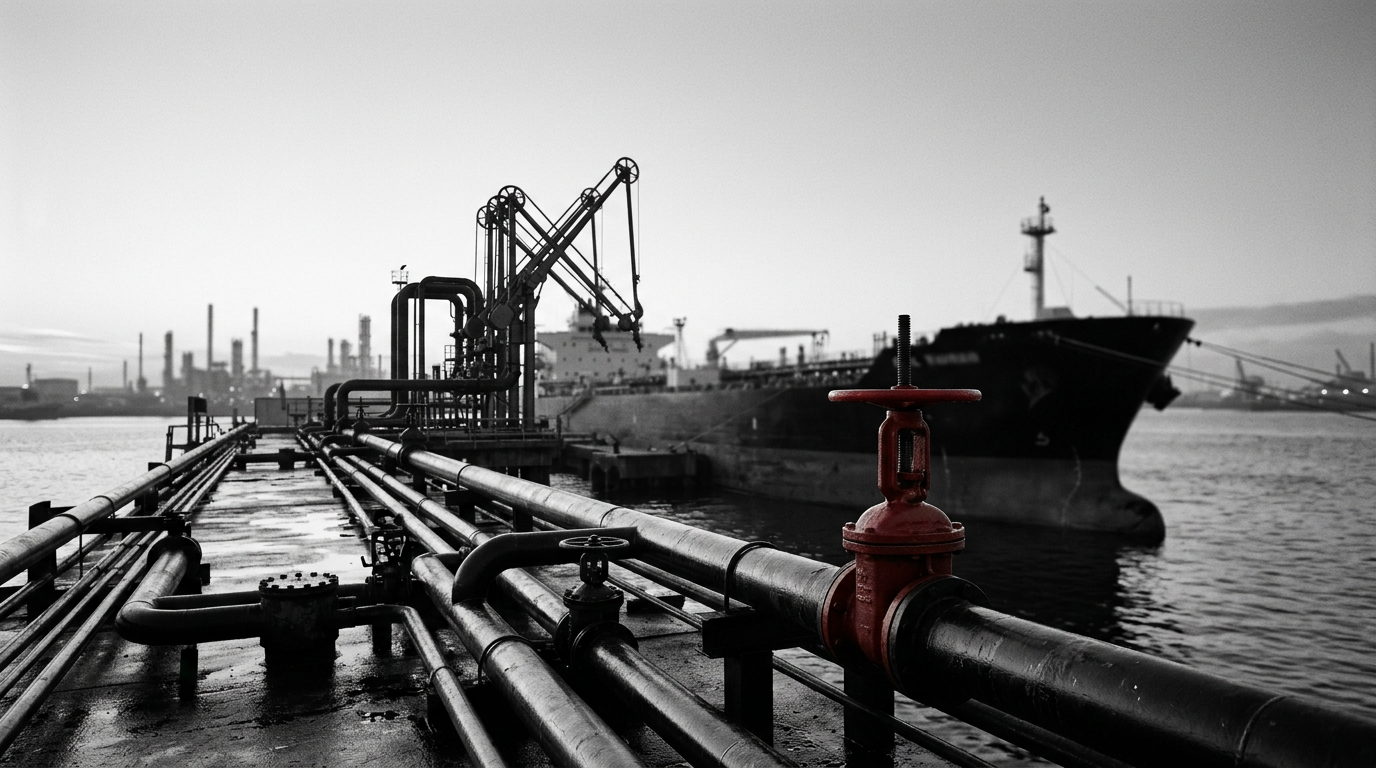
The United States government has initiated a fresh economic campaign against Iran, signaling potential sanctions for any nation, company, or financial entity that continues to bolster Tehran. This broad approach is expected to bring China, a significant trade partner for Iran, under heightened examination. The measures are designed to restrict Iran's financial flows, specifically focusing on facilitators of Iranian oil sales and trade financing. This development follows a reported six-month period of stalled diplomatic efforts concerning Iran.
White House officials have explicitly stated that these sanctions will apply to foreign companies and banks found to be providing material support to Iran. This aggressive stance marks an escalation in Washington's strategy to curtail Iran's economic activities and its influence.
Heightened Scrutiny on Chinese Commerce
Officials have pointed out that China represents the largest trading partner for the Islamic Republic and is its primary purchaser of oil exports. The new American policy could significantly impact Chinese companies conducting business with Tehran, particularly by limiting their access to dollar clearing and global correspondent banking services. These actions aim to prevent third-party facilitation of Iranian commerce.
Potential steps outlined by US officials include the introduction of new licensing limitations and the application of secondary sanctions. Such measures could lead to disruptions in established shipping lanes, an increase in costs for marine insurance and freight, and greater complexities for trade finance operations involving firms engaged in Iran-related business activities.
Market Monitoring and Future Outlook
Market observers and traders are set to closely track several key indicators following these announcements. These include global oil transaction patterns, the availability of marine insurance, and any shift in trade activities with Iran toward alternative payment mechanisms as a direct consequence of the new signals.
The timeline for assessing the full impact is set for late 2026. Officials have suggested that if Beijing reduces its purchases from Iran by September 1, 2026, global energy markets and international trade finance systems will likely reflect these adjustments. Conversely, if China maintains its current purchasing levels, Washington may choose to intensify its enforcement actions and broaden the scope of penalties by the specified date. This period creates a critical window for both diplomatic and economic maneuvering regarding Iran's trade relationships.
Historical Precedent and Strategic Shift
The United States has a history of imposing sanctions on Iran, particularly since the 1979 Iranian Revolution and various events related to its nuclear program and regional involvement. These sanctions have often aimed to isolate Iran economically and politically, pressing its government to modify its policies.
Past administrations have employed a combination of primary and secondary sanctions, with varying degrees of effectiveness and international backing. This latest economic drive builds upon existing frameworks but appears to emphasize a wider and more assertive enforcement against third parties. The decision to target international entities highlights a strategic shift toward increasing the global cost of engaging in business with Iran, irrespective of a country's direct political alignment. The focus on China underscores the crucial role major economies play in the effectiveness of such sanctions regimes.