Israel Targets Lebanese Ridgelines Amid Escalation Fears
Recent Israeli strikes on strategic ridgelines and a transport route in southern Lebanon raise concerns about a potential broader military campaign, officials state.
Mateo Fernandez ·
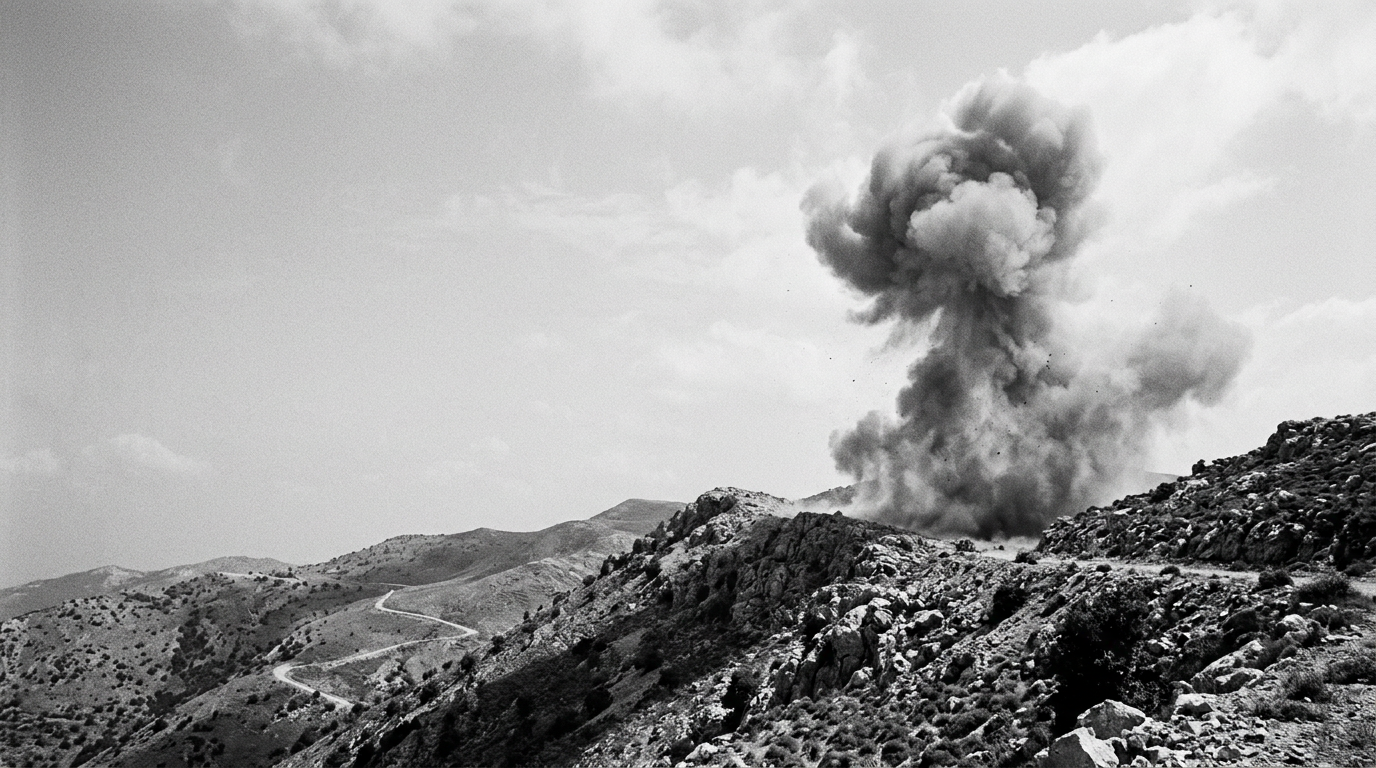
Recent Israeli military operations have concentrated on strategic ridgelines and a key transportation route in southern Lebanon, according to Lebanese officials. These officials interpret the pattern of strikes as a possible preparatory phase for a more extensive military campaign, indicating a heightened risk of escalation in the region.
The targeted ridgelines, which offer significant advantages for observation, fire control, and troop staging over surrounding communities, are seen as critical terrain. Additionally, the strikes have included a transportation corridor that extends deeper into Lebanese territory. This focus places control over movement routes and elevated positions at the forefront of ongoing assessments by local authorities.
Strategic Terrain and Escalation Risk
The selection of ridgelines for military targeting is highly significant due to their inherent tactical value. Such elevated positions allow forces to command views of an area, direct artillery or other fire with precision, and establish advantageous staging points for further operations. This military logic fuels the apprehension among Lebanese officials that the current strikes could be laying the groundwork for a larger offensive.
While the specific number of strikes, casualty figures, or a definitive timeline for any expanded campaign have not been officially disclosed, the nature of the targets suggests a calculated approach. The uncertainty surrounding the scale of the current operation contributes to regional instability, as any localized conflict carries the risk of broader contagion if vital infrastructure like roads and hills are viewed as military assets.
Broader Regional Implications The potential for a localized exchange to escalate into a wider conflict represents a significant risk for the entire region.
If the targeting of transportation routes and high-ground positions continues or intensifies, it could lead to increased geopolitical risk, heightened vigilance in energy shipping lanes, and intensified diplomatic pressure from international actors. This situation particularly impacts governments and companies with economic interests or operations in the Eastern Mediterranean, facing elevated disruption risks.
For Israel, the crucial question remains whether these actions are primarily a pressure tactic designed to deter, or if they represent concrete steps towards larger ground or aerial military interventions. Conversely, for Lebanon and its security apparatus, the implications are more immediate and direct: control over elevated terrain and essential transport routes profoundly affects defensive planning, accessibility, and the safe movement of civilians.
Future Monitoring and Potential Scenarios
The coming months will be critical in determining the trajectory of these military actions. A key indicator by August 25, 2026, will be whether official reports indicate strikes extending beyond the currently targeted ridgelines and transport links, or if the operational pattern remains concentrated within these specific areas. Any expansion deeper into Lebanese territory would signal a significant escalation, whereas a sustained focus on the current targets might suggest a more contained, albeit persistent, pressure campaign.
The international community will closely monitor developments, particularly the potential for humanitarian consequences and further destabilization in an already fragile region. Diplomacy and de-escalation efforts are likely to intensify if the scope of military engagement widens.