Gaza Strikes Renew Ceasefire Concerns Amid Diplomacy
Israeli military operations in Gaza on August 23, 2026, immediately following Jared Kushner's diplomatic mission, have cast doubt on ceasefire talks.
Mateo Fernandez ·
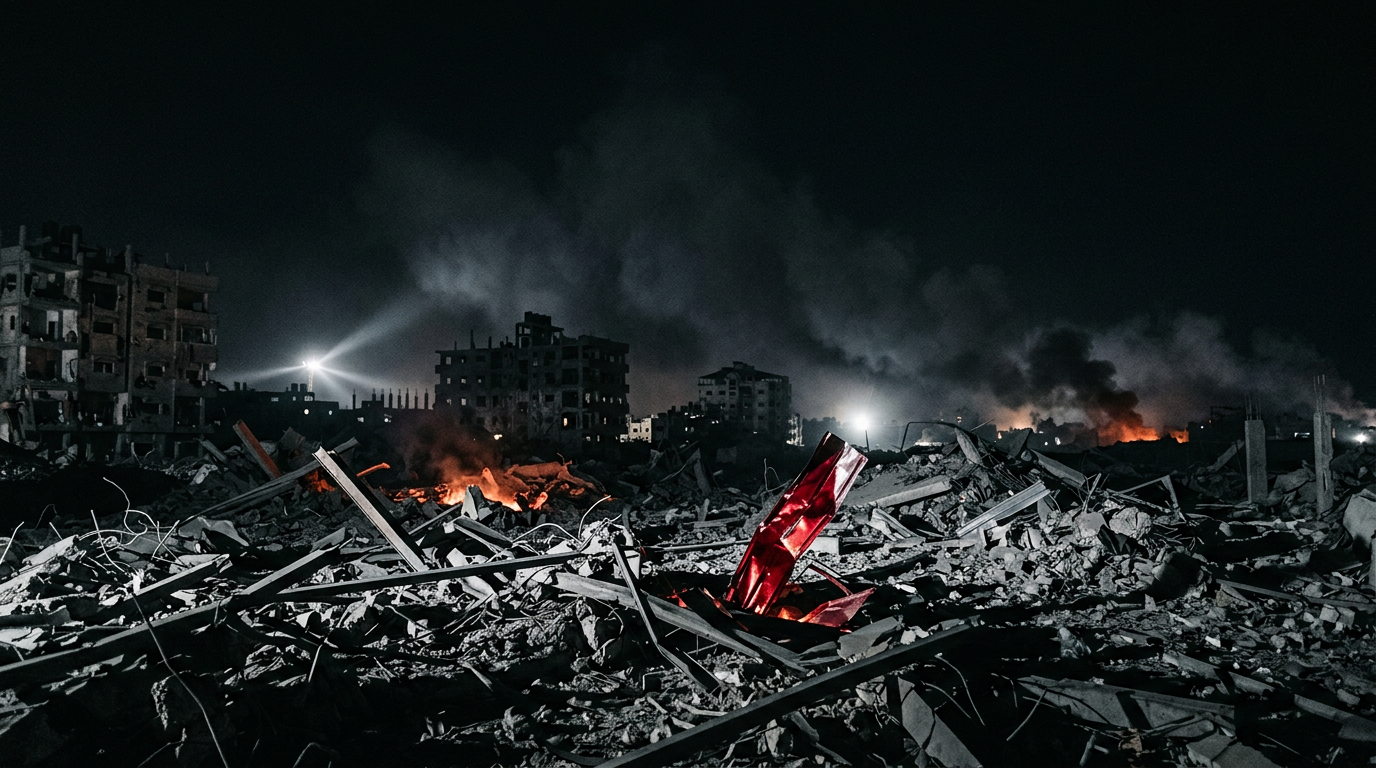
Recent Israeli military operations in the Gaza Strip on August 23, 2026, have significantly complicated ongoing ceasefire efforts. These actions occurred shortly after a diplomatic mission by Jared Kushner to the region, which aimed to advance peace negotiations. Initial reports suggested fatalities resulted from the strikes, although no official death toll was immediately confirmed.
The timing of these military engagements is particularly sensitive, as they directly followed a concentrated diplomatic push to de-escalate hostilities. Kushner's visit had been seen as an indicator of sustained efforts toward achieving a cessation of fighting. While the reported military actions do not definitively signal a complete breakdown in negotiations, they considerably narrow the operational scope for mediators, especially if either party perceives the violence as a breach of trust.
Diplomatic Ramifications and Regional Stability
From Israel's perspective, a primary challenge involves balancing the intensity of military operations with the continuation of active diplomatic channels. For the Gaza Strip, these renewed attacks are expected to worsen already severe humanitarian conditions. They also complicate discussions around critical issues such as humanitarian aid delivery, the potential release of hostages, and establishing temporary pauses in combat.
Across the broader Middle East, there is an elevated risk of wider escalation. This could manifest through interconnected conflict zones or disruptions to vital maritime activities, particularly if investors interpret the situation as diplomatic efforts losing efficacy. Such geopolitical implications are directly linked to market stability, potentially influencing oil risk premiums, the demand for safe-haven assets, and regional shipping forecasts.
Market Sensitivity and Future Outlook
Should communication channels for a ceasefire remain open, the broader economic impact is likely to be contained to headline risks. However, if negotiations falter, energy prices and safe-haven assets could react more directly to any indications of broader regional instability or spillover effects into other areas. A critical indicator to observe by August 24, 2026, will be official statements concerning the status of ceasefire contacts.
Officials will need to provide clarity on whether these discussions are continuing, have been temporarily paused, or have entirely collapsed in the aftermath of the most recent military engagements. The progression of these diplomatic efforts will be paramount in determining both the immediate trajectory of the conflict and the wider regional dynamics.