DRC Ebola Outbreak Surpasses 5,000 Cases Amid Conflict
The DRC's 17th Ebola outbreak has exceeded 5,000 cases and 2,500 deaths in 100 days, becoming the second-largest ever, hindered by conflict.
Atlas Newsdesk ·
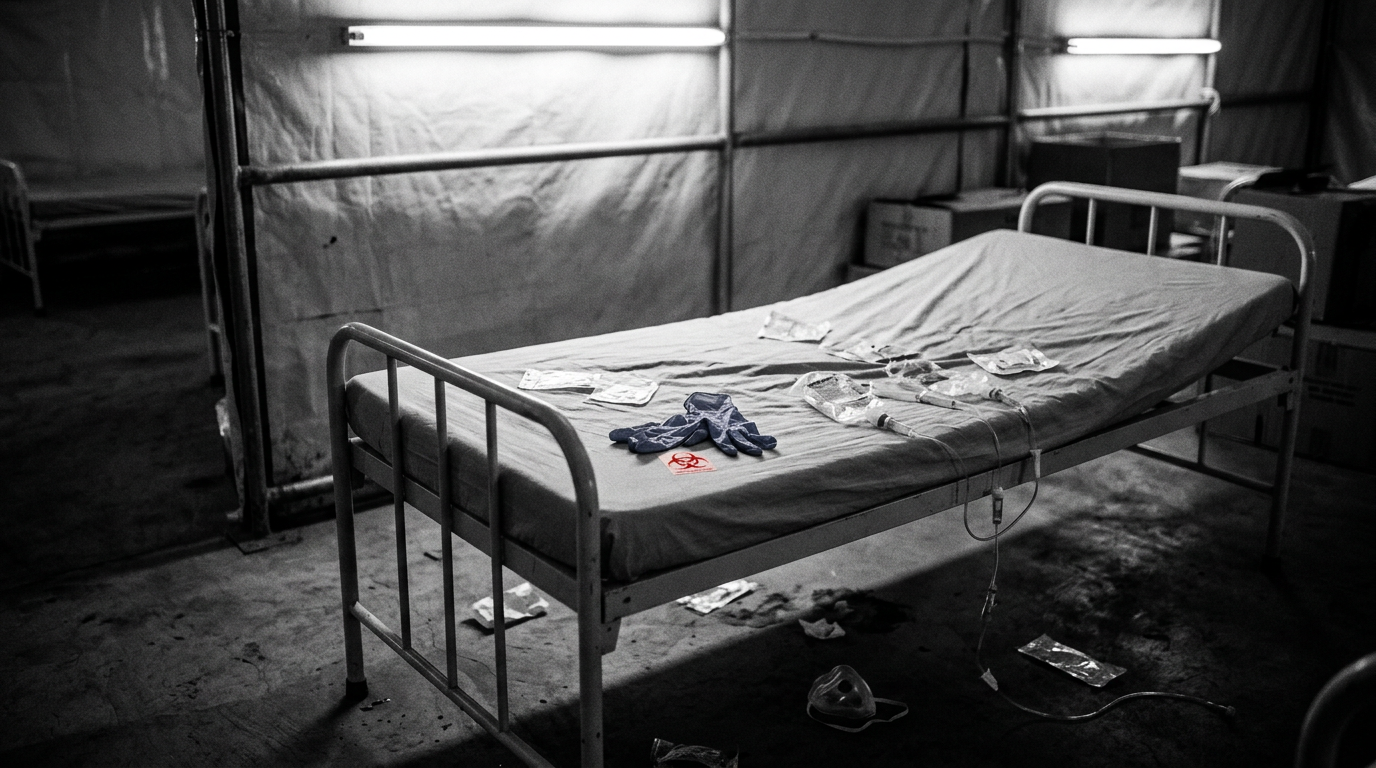
The Democratic Republic of Congo (DRC) is confronting its 17th recorded Ebola epidemic, which has now registered 5,290 confirmed infections and 2,516 fatalities since its official declaration 100 days ago. This health crisis, caused by the Bundibugyo virus strain, represents the second-largest Ebola outbreak ever documented. The virus continues to be active across 56 distinct health zones within the country, presenting considerable obstacles for containment and public health initiatives.
Officials have indicated that regional instability and the displacement of over one million individuals are severely impeding response efforts. These conditions foster an environment where disease transmission accelerates, and tracking becomes exceptionally difficult. The World Health Organization (WHO) and Africa CDC have noted that the virus is spreading more rapidly than in previous outbreaks, complicating standard public health interventions.
Challenges to Containment Efforts
A significant concern in the current epidemic is the impact on healthcare personnel. As of August 20, a total of 158 health workers have contracted the virus, with 45 of them succumbing to the disease. This situation not only diminishes the capacity to treat patients but also highlights the inherent dangers faced by frontline responders. The extensive nature of the outbreak necessitates a robust and coordinated international response to reinforce local efforts.
International and national agencies are advocating for a substantial increase in response capabilities, recommending a two-to-threefold boost in resources. The existing strategy focuses on integrating community-led disease surveillance with stringent infection prevention and control protocols. This approach aims to empower local populations in identifying and reporting potential cases, while ensuring that healthcare settings do not become focal points for further transmission.
Strategic Response and Funding Needs
Despite the persistent challenges, some successes have been achieved in curbing the virus's spread. Transmission has been successfully interrupted in specific areas, particularly parts of Ituri and South Kivu provinces within the DRC, as well as in neighboring Uganda. These localized achievements demonstrate the effectiveness of targeted interventions when implemented rigorously and with sufficient funding.
However, the overall scale of the outbreak demands continuous vigilance. A critical element for sustaining these efforts, officials emphasize, is the provision of consistent and predictable financing. Without this, there is a constant risk of gaps emerging in logistical support and the supply chains for essential medical resources. The broader response strategy prioritizes cross-border coordination over restrictive travel measures. This approach aims to maintain the flow of vital health services and humanitarian aid across affected regions, preventing the isolation of communities that urgently require support.
Historical Context of Ebola in DRC
The DRC has a long history with Ebola, having experienced numerous outbreaks since the virus was first identified near the Ebola River in 1976. The recurring nature of these epidemics underscores the country's vulnerability to viral hemorrhagic fevers, often exacerbated by a complex interplay of geographical, social, and political factors. Previous outbreaks have provided valuable lessons, but the current context of widespread insecurity presents unique challenges that test the limits of public health response frameworks.