Pakistan Adjusts Fuel Prices: Petrol Down, Diesel Up
Pakistan announced a three-day fuel price adjustment, lowering petrol by Rs3.13 per liter and increasing high-speed diesel by Rs3.74 per liter.
Mateo Fernandez ·
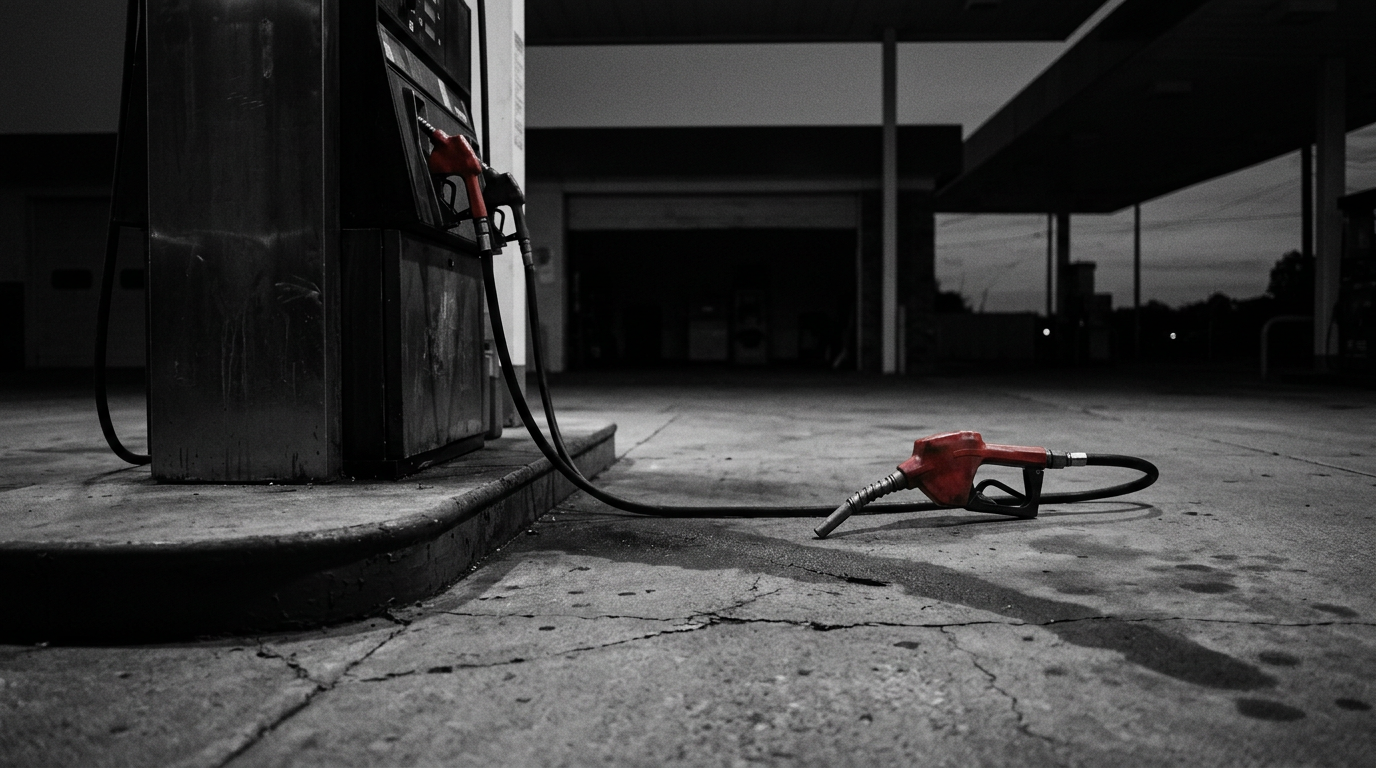
Pakistan's government has implemented a temporary adjustment in retail fuel prices, reducing the cost of petrol while increasing that of high-speed diesel (HSD). This change, effective from September 5 to September 7, sets petrol at Rs345.87 per liter, a decrease of Rs3.13. Conversely, high-speed diesel now costs Rs378.05 per liter, marking an increase of Rs3.74.
Officials from the Petroleum Division confirmed these revised rates through an official notification. The document also highlighted that existing government levies on both fuels remain unchanged, with petrol subject to a Rs114 per liter levy and diesel to Rs100 per liter. These levies are significant components of the final retail price.
Key Market Dynamics
Petrol and high-speed diesel are crucial revenue generators within the retail fuel market, representing the bulk of sales. Monthly sales volumes for these two fuels typically range between 700,000 and 800,000 tonnes. This contrasts sharply with kerosene sales, which are estimated at approximately 10,000 tonnes monthly, underscoring the dominant role of petrol and HSD in the nation's energy infrastructure and economic activity.
The country has experienced notable volatility in fuel prices throughout the current year. Data from the Petroleum Division showed that high-speed diesel peaked at Rs520.35 per liter on April 3, following a significant rise from around Rs281 per liter after a conflict began on February 28. Similarly, petrol prices reached Rs458.41 per liter on April 3, having increased from approximately Rs266 in early March.
Future Pricing Mechanism
In a major policy shift announced on July 17, Petroleum Minister Ali Pervaiz Malik indicated that fuel prices would transition to a daily adjustment basis. The Oil and Gas Regulatory Authority (OGRA) has been tasked with implementing this new mechanism, which will peg local prices to international market trends. This move aims to enhance transparency and responsiveness to global crude oil price fluctuations.
The differential impact of these price changes affects various consumer segments. Fluctuations in petrol prices primarily concern owners of private vehicles, two-wheelers, and auto-rickshaws, disproportionately impacting middle and lower-middle-income households. In contrast, changes in diesel prices have a broader economic ripple effect, influencing heavy transportation, power generation plants, and large industrial generators, thereby affecting overall economic activities and the cost of goods.
Economic Implications and Outlook
Market observers and consumers are keenly watching for further price adjustments as the current fixed rate window concludes on September 7. The impending implementation of daily pricing by OGRA is viewed as a critical development for future stability and predictability in fuel costs, aiming to align local prices more closely with global benchmarks.
The unchanged government levies on petrol and diesel underscore their importance as a consistent source of government revenue. While international oil prices and currency exchange rates heavily influence retail fuel costs, these fixed levies provide a stable income stream for the treasury. The government's pricing strategy, particularly regarding diesel, is a crucial element of its broader economic management and inflation control efforts, as it impacts logistics, industrial production, and electricity generation.