Pentagon Launches Emergency Overhaul to Fortify Power Grid Against Cyberattacks
The US military faces growing risks from a vulnerable civilian power grid, impacting defense capabilities amid rising demand from AI and manufacturing.
Atlas Newsdesk ·
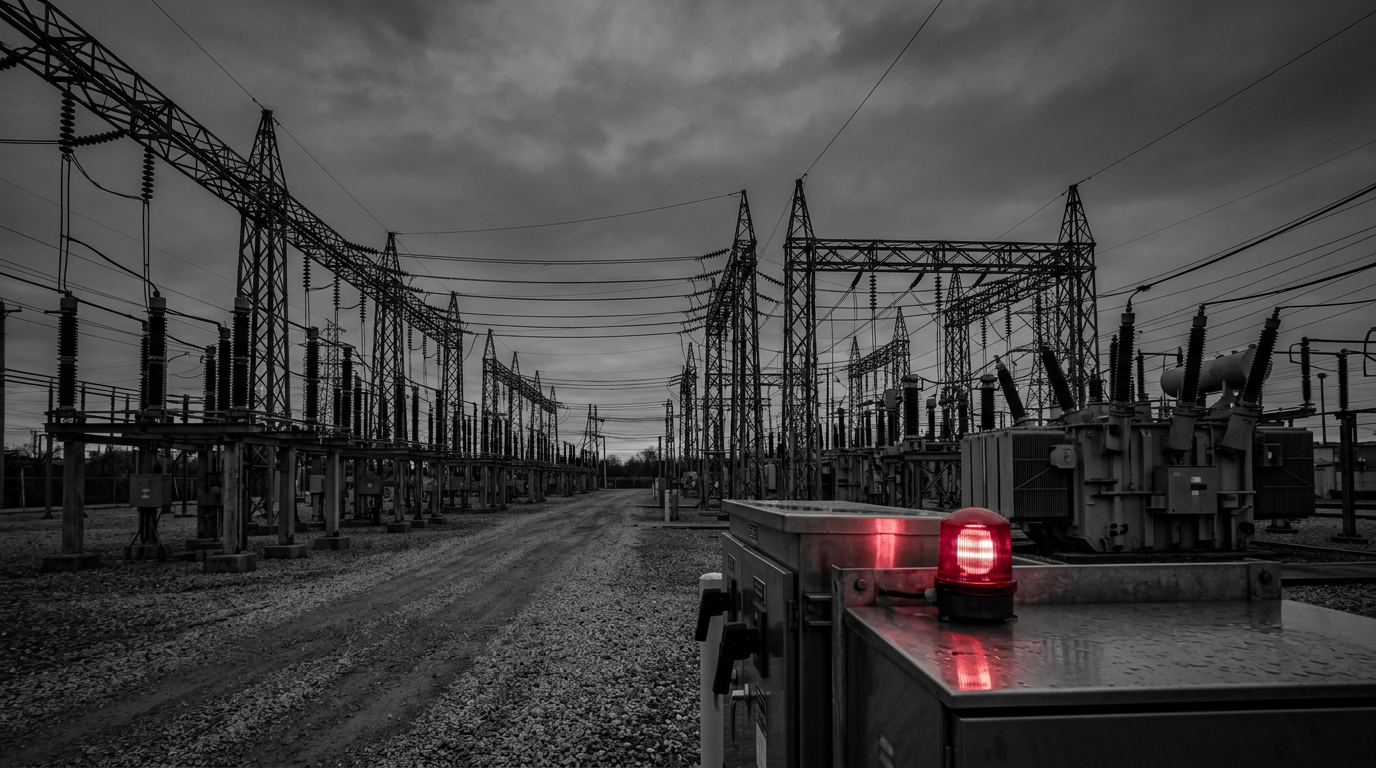
The United States' national defense infrastructure is increasingly exposed to operational risks due to vulnerabilities within the civilian power grid. This situation creates a significant energy security challenge, potentially compromising critical military activities, according to recent assessments.
Elevated electricity demand, driven by advancements in artificial intelligence and a resurgence in domestic manufacturing, places considerable strain on existing infrastructure that simultaneously serves key defense installations.
Despite the Department of Defense (DoD) allocating approximately $5 billion annually for its domestic energy use, current federal statutes and state utility regulations do not mandate power providers to prioritize military facilities over civilian users during outages. This regulatory gap leaves defense installations susceptible to disruptions, as demonstrated by previous incidents.
Escalating Energy Requirements
The military's increasing reliance on advanced technology further exacerbates these grid vulnerabilities. Modern defense systems, such as the F-35 Lightning II aircraft, require substantially more electrical power compared to earlier generations of equipment. For instance, the F-35 demands 150 percent more electricity than its predecessors, underscoring the rising energy intensity of contemporary military hardware and data-heavy operations.
In 2015, Congress amended the Federal Power Act to introduce designations for Defense Critical Electric Infrastructure (DCEI). However, these protections are primarily administrative and do not guarantee restoration priority during widespread grid failures. The absence of assured priority means that even officially designated critical defense sites may not receive expedited power restoration.
Lessons from Past Disruptions
Real-world events have highlighted the fragility of this arrangement. Severe winter storms in Texas in 2021 and typhoon damage in Guam in 2023 revealed that military bases often struggle to maintain reliable access to the civilian grid during emergencies. Such incidents demonstrate the direct consequences of failing to integrate defense needs into broader utility planning and emergency response frameworks.
To meet the statutory requirement of 99.9 percent energy availability for critical military missions by 2030, federal and state policymakers must proactively incorporate defense energy requirements into utility restoration protocols. The Association of Regulatory Utility Commissioners is facilitating ongoing discussions between utility companies and defense stakeholders to bridge this gap.
However, transforming these dialogues into tangible, operational partnerships remains a considerable challenge for enhancing national security resilience.
Addressing these grid vulnerabilities necessitates a concerted effort to update regulatory frameworks, improve coordination between defense agencies and civilian utilities, and invest in resilient energy solutions for military installations. The integrity of national defense relies on a robust and reliable energy supply, making these efforts critical for maintaining operational readiness and national security.