CIA Director Warns Russia Against NATO Attack
CIA Director John Ratcliffe recently warned Russian officials against attacking NATO, particularly focusing on Baltic security amidst new US intelligence assessments.
Mateo Fernandez ·
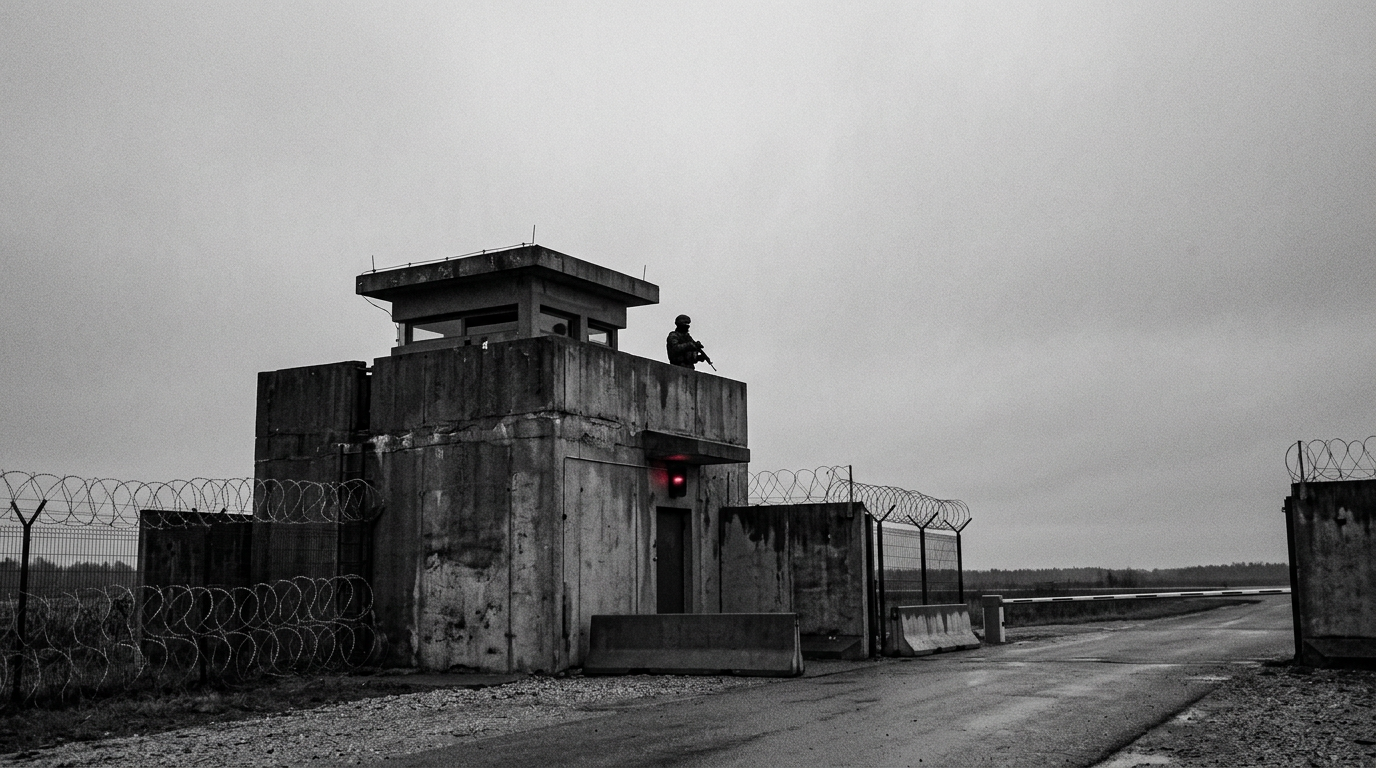
During his first publicly reported visit to Moscow as Central Intelligence Agency Director, John Ratcliffe delivered a direct warning to Russian authorities regarding potential aggression against NATO. This move by the US intelligence chief has brought the security of the Baltic states to the forefront of alliance strategic planning, according to officials familiar with the discussions.
The warning from Director Ratcliffe followed recent US intelligence assessments that indicated the possibility of a limited Russian military action against a member state of the North Atlantic Treaty Organization. While the Kremlin confirmed Ratcliffe's meeting with Russian intelligence officials, it clarified that he did not meet with President Vladimir Putin.
Baltic Security Emphasized
Officials stated that the message conveyed to Moscow specifically highlighted the Baltic states: Estonia, Latvia, and Lithuania. These nations are key NATO members situated on the alliance's eastern border. An attack on any of these countries would directly invoke Article 5, the collective defense clause of the NATO treaty, which stipulates that an attack on one member is considered an attack on all.
Beyond European security concerns, Ratcliffe also reportedly urged Russian officials to reduce their military and economic assistance to Iran. This broader diplomatic push indicates a multi-faceted mission, extending the focus beyond immediate European territorial integrity to include Middle Eastern geopolitical dynamics and stability.
Geopolitical Implications and Market Risks
For global macroeconomic stability, the immediate concern is not an imminent conflict, but rather the potential for an elevated geopolitical risk premium. Such a premium could arise if NATO member governments decide to redeploy forces, intensify preparations for sanctions, or bolster energy security measures in response to perceived threats.
The trip itself underscores that direct communication channels between Washington and Moscow remain operational for the US intelligence community, even as formal political contacts face constraints. If Russia perceives this warning as a clear boundary, NATO's short-term response might concentrate on surveillance and deterrence strategies.
However, should Moscow choose to test the alliance's resolve in the Baltic region, a rapid re-evaluation of defense spending, energy markets, and European risk assets would likely ensue. Allied capitals, therefore, will be closely observing Kremlin statements, any adjustments to NATO's force posture, and subsequent US intelligence warnings as they unfold in the coming weeks, particularly leading up to August 28.