Zelenskyy urges Nato to admit Ukraine at summit
Ukraine’s president says wartime defence gains strengthen its case for membership and would add capacity to the alliance.
Mateo Fernandez ·
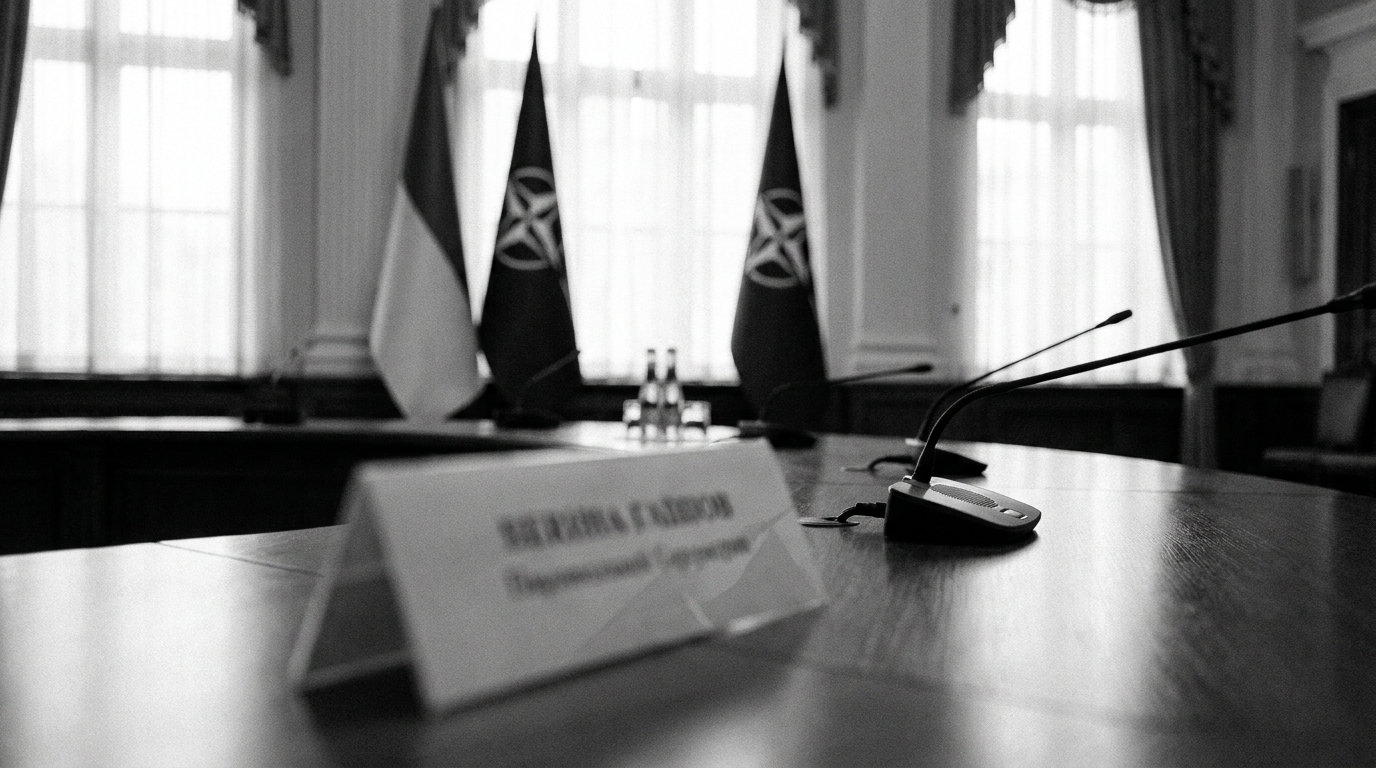
Volodymyr Zelenskyy urged Nato on July 7, 2026, to let Ukraine join the alliance, arguing that excluding a country hardened by Russia’s invasion would weaken Europe’s security architecture. Reaction pending.
The Ukrainian president said Ukraine had built much of the military capability it needs during the war and now mainly required European help to develop an alternative to US Patriot systems against ballistic missile attacks. His argument puts Ukraine’s battlefield adaptation at the centre of its diplomatic case for membership.
Nato membership case turns on defences
Zelenskyy’s message seeks to shift the debate from Ukraine as a recipient of security guarantees to Ukraine as a contributor to collective defence. If Nato members accept that framing, the membership discussion could move closer to military integration, procurement coordination and air-defence planning.
If the alliance keeps Ukraine outside, the immediate effect would be continued reliance on bilateral weapons support and ad hoc European security arrangements. That would leave Kyiv exposed to political shifts among its backers and keep defence companies focused on urgent replenishment rather than a settled Nato procurement pathway.
If members instead open a clearer route toward accession, the macro effect would be a sharper European security commitment and potentially higher defence spending over time. For Ukraine, it would strengthen its deterrence case; for the wider defence sector, it would point to sustained demand for air defence, missiles and battlefield technology.
The next test comes over the next 24 hours, when alliance statements and member-country responses will show whether Zelenskyy’s appeal changes the summit language or remains a political marker for later negotiations.