Optical Technologies Attract AI Investments Amid Data Center Bottlenecks
Investors in the AI sector are increasingly focusing on optical technologies to address data center limitations, leading to significant stock gains for some…
Cuneyd Erdogan ·
AI Investment Shifts to Optical Technologies
As of May 16, 2026, investors in the artificial intelligence (AI) sector have begun to prioritize optical technologies, following earlier investments in memory chips. This shift is driven by the escalating data traffic within data centers and the growing inadequacy of existing copper cabling infrastructure. Several companies specializing in optical technology have seen their stock values double since the start of the year.
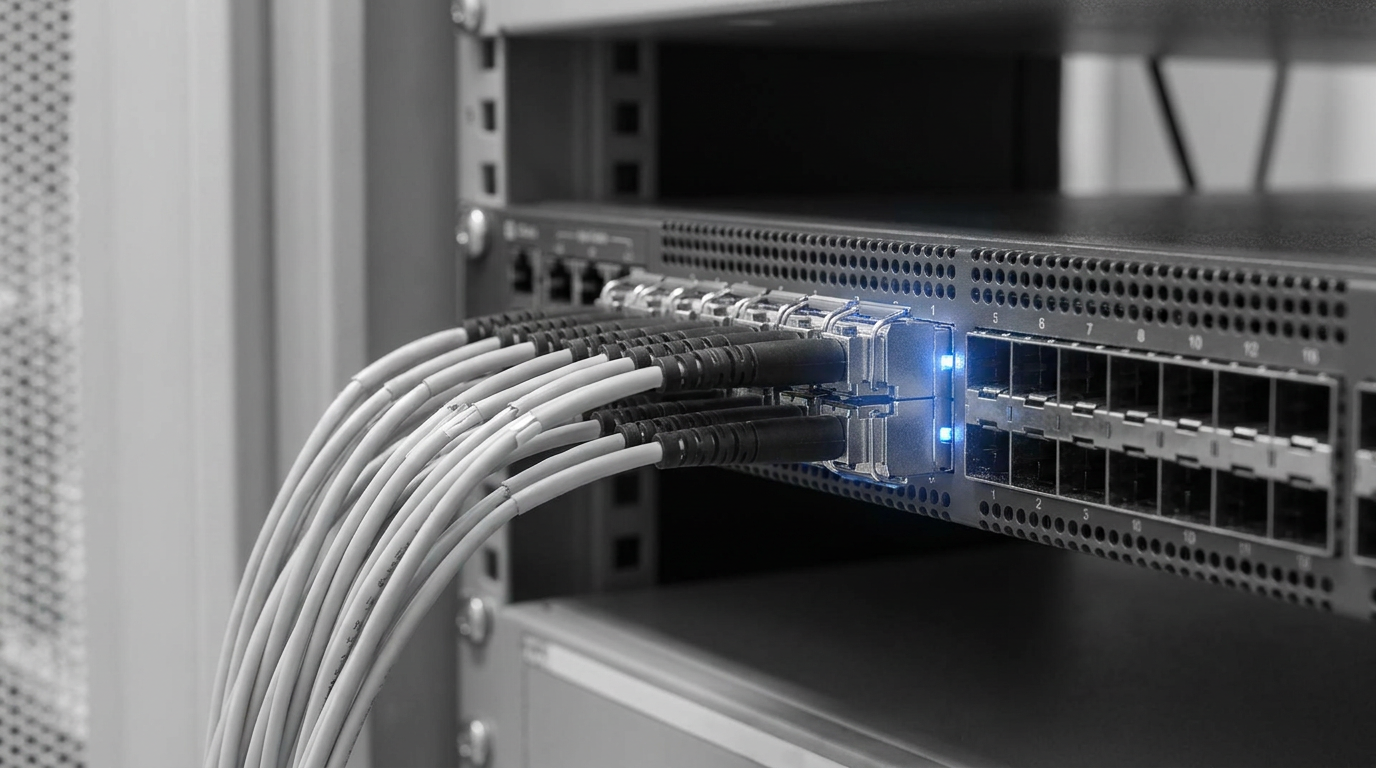
The rapid expansion of AI applications is creating substantial data congestion within data centers. Traditional copper cables struggle to meet the high-speed, low-latency communication demands of modern AI systems. Optical technologies aim to resolve this challenge by transmitting data at the speed of light using photons.
Addressing Data Center Limitations
Experts suggest that advancements in optical communication over the next two to three years could significantly alleviate bottlenecks in data centers. Optical infrastructure offers several advantages over copper cabling, including reduced energy consumption, lower heat generation, and decreased latency. These benefits have contributed to a doubling of stock values for U.S.-based technology firms such as Lumentum, Ciena, and Corning since the beginning of the year.
Corning, in particular, has experienced a notable surge in its stock performance following a collaboration with Nvidia. This partnership underscores the increasing integration of optical solutions into high-performance computing environments. The move towards optical solutions represents a critical evolution in data center infrastructure, essential for supporting the next generation of AI applications.
Future Outlook and Market Impact
The heightened interest in optical technologies highlights a broader industry trend towards more efficient and scalable data transfer methods. As AI continues its rapid development, the demand for robust and high-capacity data center infrastructure will only intensify. This sustained demand is expected to fuel further innovation and investment in the optical communication sector.
However, the widespread adoption of these advanced optical systems may face challenges related to initial deployment costs and the complexity of integrating new infrastructure into existing data centers. Despite these potential hurdles, the long-term benefits in performance and energy efficiency are likely to drive continued market growth. The current trajectory suggests a transformative period for data center technology, with optical solutions at its forefront.