Mexico boosts security ahead of 2026 World Cup opener
Mexico faces significant security and social challenges, including violence and potential strikes, ahead of its 2026 World Cup opening match.
Mehmet Şahinoğlu ·
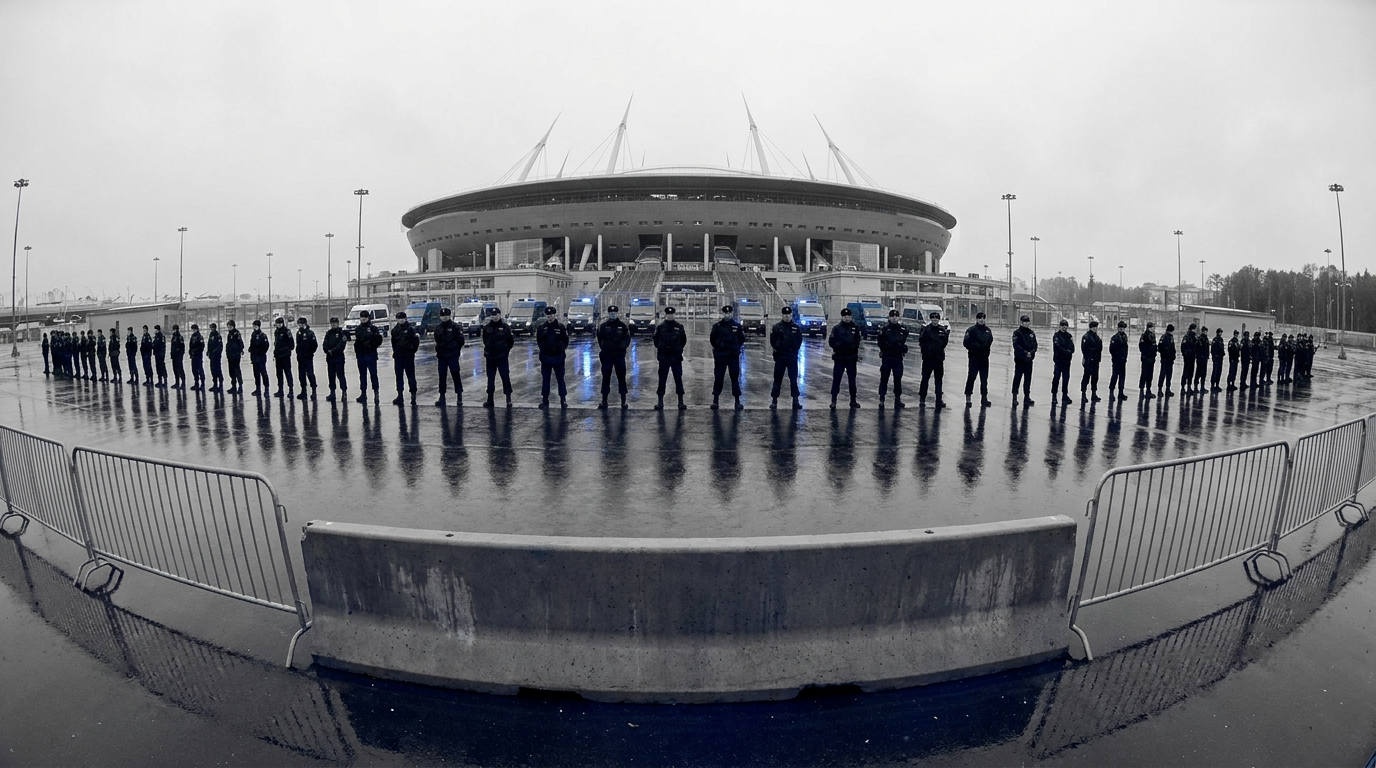
Mexican authorities are tightening security ahead of the 2026 FIFA World Cup, which is set to open at Mexico City’s Estadio Azteca on June 11. Recent deadly attacks in Puebla and near the Teotihuacan archaeological site have intensified scrutiny of public safety preparations. Officials say expanded deployments and new coordination plans aim to reassure fans and residents across host cities.
Officials have pledged sweeping measures as the country prepares to stage the tournament’s opening match in the capital. Rights organizations warn of broader risks to journalists and vulnerable communities during the event and have called for clear, venue-level safety protocols. Authorities have also acknowledged that violence linked to organized crime remains a continuing challenge that requires a robust and coordinated response.
President Claudia Sheinbaum has said authorities will deploy 100,000 security personnel, drawing from National Guard units, police forces and licensed private security firms. Plans cover stadium perimeters, training bases, fan zones and transport hubs, with crowd-management operations expected to concentrate around Estadio Azteca during opening ceremonies and matchday.
Separately, domestic tensions are simmering. Teachers’ unions, including the Coordination of Education Workers (CNTE), have threatened a nationwide strike if wage demands are not met before the opening. A large-scale walkout could complicate public services, transportation and event staffing during the first week of the competition.
Security posture for the tournament
Recent incidents test readiness
Authorities said six men, three women and a minor were killed in a shooting at a residence in the state of Puebla, heightening fears already present in several host cities. The case is under investigation as security services step up patrols and intelligence-sharing to deter further attacks in the lead-up to the World Cup.
That incident followed the killing of a Canadian tourist and the wounding of 13 others at Teotihuacan, a major visitor site near Mexico City. The attacks have amplified calls for visible policing, stricter access controls and clearer communication with fans about safe travel routes to and from venues.
Deployment and international coordination
Officials said the 100,000-strong deployment will combine federal, state and municipal resources with private contractors positioned at stadiums, training bases and fan areas. Authorities are also preparing transport and crowd flows around Estadio Azteca, where opening ceremonies and the first match are scheduled.
Mexican authorities noted that U.S. Homeland Security officials are scheduled to visit Mexico this week, though no agenda has been disclosed. Security experts said coordination with international partners is expected to focus on border flows, air travel screening and information-sharing related to high-risk individuals.
Human rights pressure and domestic unrest
Risks to journalists and disappearances
Rights advocates describe Mexico as a hazardous environment for media workers, a concern magnified by the influx of international and domestic reporters covering the tournament. They have urged organizers and local authorities to publish venue-by-venue safety protocols and to establish rapid-response channels for reporting threats against journalists, volunteers and workers.
The disappearances crisis, reflected in the official count of 133,960 missing people, has galvanized families and civil society groups who plan to use the World Cup spotlight to press for accountability. Advocates argue that heightened security around stadiums should not eclipse attention to long-standing investigations and support services for victims’ relatives.
Threat of strike action around opener
The CNTE’s strike warning adds uncertainty to the tournament’s opening days. A walkout could disrupt public schools and potentially ripple into transportation networks or ancillary services that support match operations in the capital. Union leaders have signaled they want wage issues addressed before the opening match.
Event organizers and local agencies have not detailed contingency plans for a work stoppage but have emphasized the need to keep essential services running smoothly during the World Cup’s first week.
Authorities are expected to release more venue-specific security and transport guidance as June 11 approaches. Observers will watch for updates on union negotiations, detailed policing plans around Estadio Azteca and whether further incidents prompt additional safeguards for fans, media and local communities.