Asian Cup Finalists Demand Equal Pay
Asian Cup finalists Japan and Australia urged the AFC on April 2, 2026 to match women’s prize money with the men’s tournament.
Mehmet Şahinoğlu ·
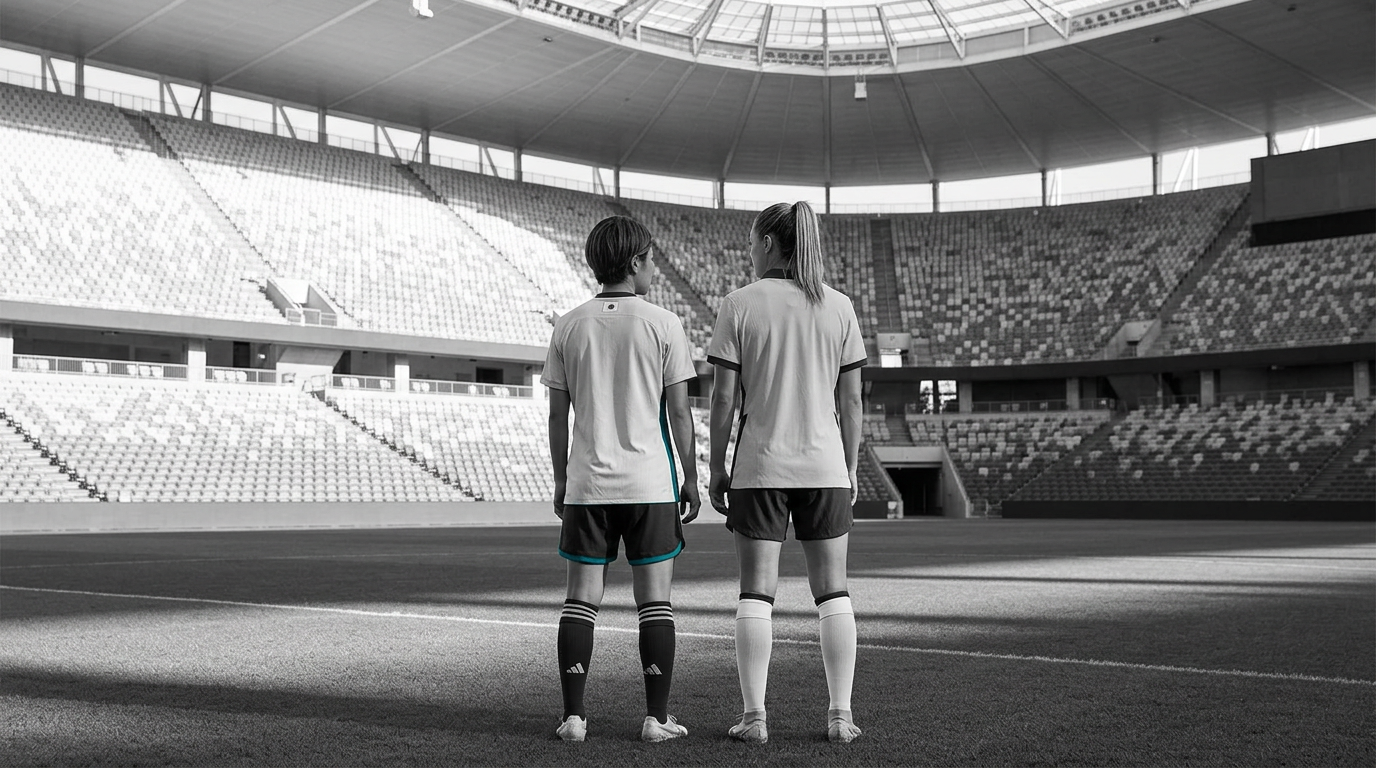
Japan and Australia’s women’s national teams , the finalists in the most recent Women’s Asian Cup, have jointly urged the Asian Football Confederation (AFC) to align prize money for the women’s tournament with the men’s competition.
The call was made in a joint statement issued through FIFPRO on Thursday, April 2, 2026. In that statement, the teams pointed to what they described as a large gap between the prize funds for the two tournaments and asked the AFC to address the disparity.
The 2026 Women’s Asian Cup was hosted in Sydney and ended on March 21, when Japan beat Australia 1-0. Officials said the final was played in front of a record crowd of over 74,000 fans, a figure the teams cited as evidence of the tournament’s momentum and commercial potential.
According to the figures referenced in the statement, the Women’s Asian Cup prize fund was reported at $1.8 million, unchanged from 2022. By comparison, the men’s equivalent tournament offered $14.8 million in prize money, underscoring the scale of the difference the teams are challenging.
FIFPRO’s February report said the women’s tournament could generate up to $82.4 million in revenue. The teams argued that, despite what they described as a successful event, the Women’s Asian Cup remains the lowest-paying continental tournament globally for women.
The statement also said earlier requests for collaboration on equal prize money had been ignored by the AFC. The teams framed their demand as a governance and distribution issue, linking prize levels to how the confederation values the women’s game relative to the men’s tournament.
Separately, the Japan Football Association (JFA) announced a coaching change on Thursday, April 2, 2026, dismissing head coach Nils Nielsen. The decision came 12 days after he led Japan to the Women’s Asian Cup title.
JFA President Tsuneyasu Miyamoto said the move followed an evaluation of “various factors” related to winning major international tournaments. Miyamoto said Nielsen’s coaching was “too lax” and did not show the level of passion the JFA believes is required for future World Cup success.
Michihisa Kano will take over as interim coach for Japan’s upcoming friendlies against the United States. The coaching shift comes as Japan’s players and federation navigate both on-field planning and a broader regional debate over how women’s football is funded and rewarded.