Woman Charged in Crimea Assassination of Russian Commander
A woman has been charged following a bomb attack in Sevastopol on August 13 that killed a Russian naval commander, officials confirmed.
Mateo Fernandez ·
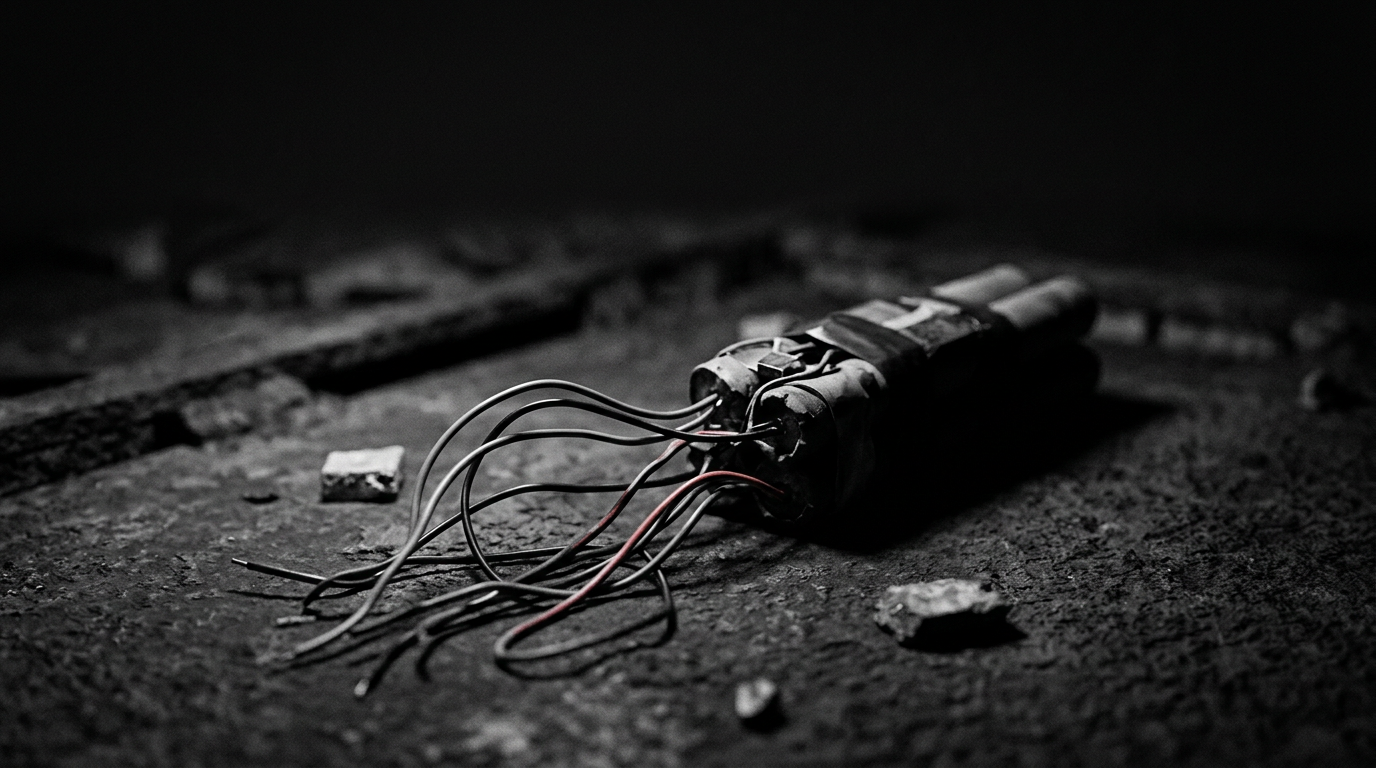
Authorities have charged a woman with the assassination of a Russian naval commander in Sevastopol, Crimea, after a bomb detonated on August 13. The incident resulted in the immediate death of Robert Shageev, identified as a deputy commander within a Black Sea fleet submarine brigade. Investigators detailed that an explosive device, containing approximately 500 grams of TNT equivalent, was concealed inside a rubbish bin and triggered as the officer passed by in uniform.
The alleged perpetrator has been named by officials as Margarita Reutt. Those acquainted with Reutt expressed surprise regarding her purported involvement. Some individuals who knew her characterized her as a resolute person who consistently saw her plans through to completion. The investigation into the incident remains active and ongoing, according to official statements.
Details of the Sevastopol Attack
The fatal explosion occurred in Sevastopol, a city situated in Russian-occupied Crimea. The attack specifically targeted military personnel, a type of incident that frequently leads to increased security measures and potential diplomatic tensions in the region. Mr. Shageev was killed instantly at the scene of the blast.
The method of the attack, involving a hidden explosive device, suggests a level of planning. The targeting of a high-ranking naval officer underscores the gravity of the event. Such incidents often prompt a robust response from authorities aimed at deterring further acts and ensuring stability in strategically important areas.
Regional Security Implications
The assassination in Crimea carries broader implications for regional security. Should authorities decide to expand security protocols and maritime patrols in response, commercial shipping and ongoing naval operations in the Black Sea could experience disruptions. Conversely, if the event is contained and viewed as an isolated incident, its immediate operational impact might remain limited.
The ongoing investigation is expected to yield further official updates, with authorities indicating that more information will be released by August 30. The outcome of this probe and the subsequent measures taken will be closely watched by international observers, given Crimea's sensitive geopolitical status. Any escalation of security measures could affect the already complex dynamics of the Black Sea region, influencing navigation and potentially increasing tensions among littoral states.